

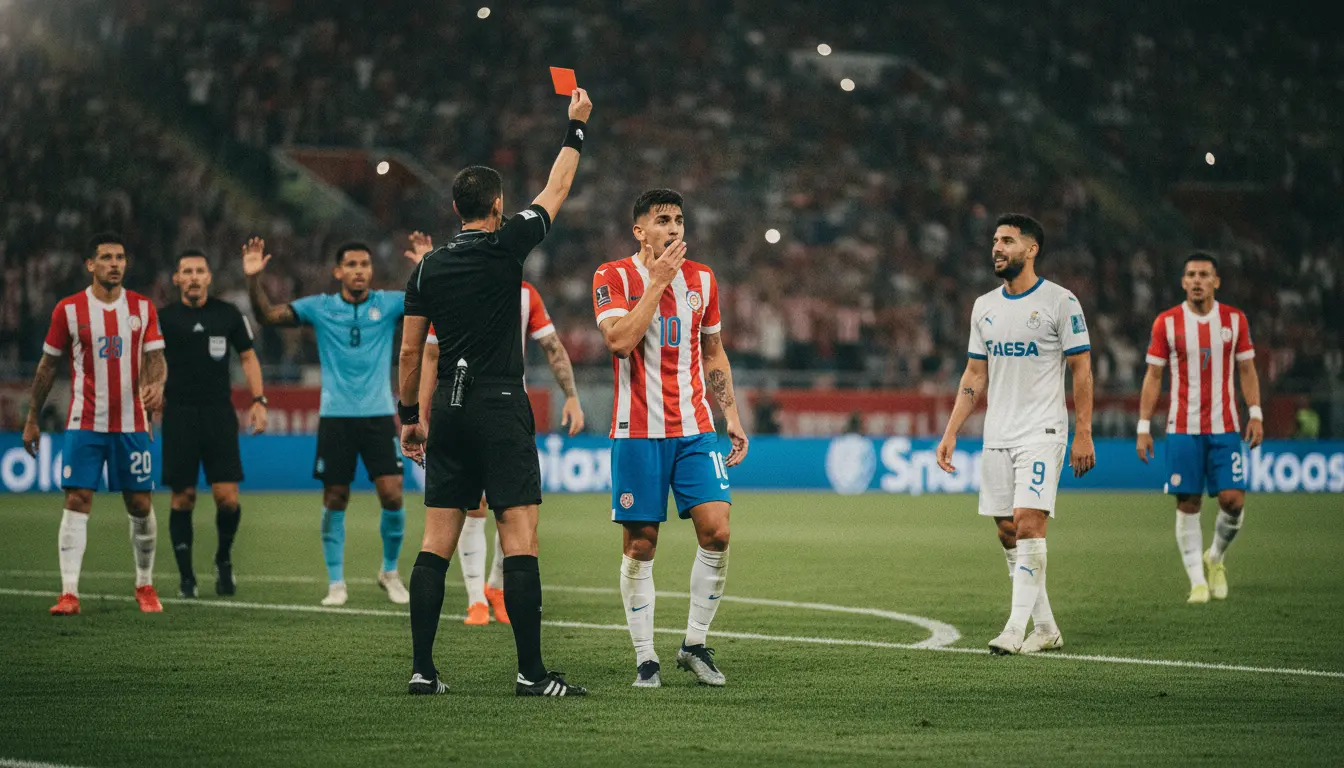
Almiron first player sent off for covering mouth
In a moment that has sent ripples across the international football community, Paraguay's Miguel Almiron etched his name into the sport's annals for a truly unprecedented reason. During a high-stakes World Cup encounter against Turkey, Almiron became the first player ever to be shown a red card for the specific act of covering his mouth while speaking to an opponent. The incident, seemingly minor in its immediate physical manifestation, has ignited a fierce debate about the nuances of player conduct, the boundaries of communication on the pitch, and the evolving role of referee discretion in the modern game.
Historically, players covering their mouths while communicating has been a common sight, particularly in strategic huddles or during heated exchanges with opponents. The practice largely emerged as a tactic to shield conversations from lip-readers, often including opposition analysts, television broadcasters, and even fellow players attempting to gain an advantage by deciphering tactics or private remarks. For decades, this unwritten etiquette went largely unchallenged, seen as an innocuous part of the game's tactical and psychological warfare. Almiron’s dismissal, however, suggests a significant shift in how such actions might now be interpreted by match officials, especially when paired with other forms of perceived unsporting behaviour.
The flashpoint occurred during a tense passage of play, with both teams vying for control in a crucial World Cup fixture. While the specific words exchanged between Almiron and the Turkish player remain unconfirmed, it was the Paraguayan international's deliberate gesture of obscuring his mouth, coupled with the nature of the interaction, that prompted the referee's decisive action. Eyewitness accounts suggest a heated exchange preceding the card, but the explicit reason cited for the dismissal — the mouth-covering — stands out. This pivotal decision left Paraguay to navigate the remainder of the match with ten men, undeniably altering the dynamic and potentially the outcome of a significant international contest.
The immediate aftermath saw a flurry of reactions from pundits, coaches, and fans. Many expressed bewilderment, struggling to recall a similar precedent, let alone a direct rule that penalises the act of covering one's mouth. The referee's interpretation is key here; it's highly improbable that the act of mouth-covering itself constitutes a red card offense under FIFA's Laws of the Game. Instead, it is almost certainly a contributing factor to a broader charge, such as serious foul play, offensive or insulting language, or aggressive behaviour that the referee determined Almiron was attempting to conceal. The decision thus opens a Pandora's Box concerning the extent to which officials can and should interpret non-verbal cues and attempts at privacy on the field.
This incident sets a potentially far-reaching precedent for player conduct and refereeing standards in international football. Should this interpretation become more widespread, players might be forced to reconsider their traditional methods of private communication on the pitch, leading to a more open, albeit potentially less strategic, dialogue during matches. The debate also highlights the increasing scrutiny players face in an era of ubiquitous cameras and advanced officiating technologies. While VAR was not explicitly mentioned as playing a role in this specific red card, the general trend towards greater scrutiny of player actions means that even seemingly minor gestures can now be dissected and deemed worthy of sanction.
For Miguel Almiron, the personal consequence is immediate: a suspension from future World Cup matches and a stain on his disciplinary record. For Paraguay, the red card likely compounded the challenge in their vital match against Turkey. More broadly, however, this incident serves as a stark reminder of the ever-evolving nature of football’s laws and their enforcement. It prompts a necessary conversation among governing bodies, referees, and players about the balance between privacy, fair play, and the spirit of the game, ensuring clarity on what is permissible and what might now cross the line in the heat of competition. The global football community will undoubtedly be watching closely to see if this historic red card signals a new era in on-field communication protocols.
Stay Informed. Act Smarter.
Get weekly highlights, major headlines, and expert insights — then put your knowledge to work in our live prediction markets.
Related News
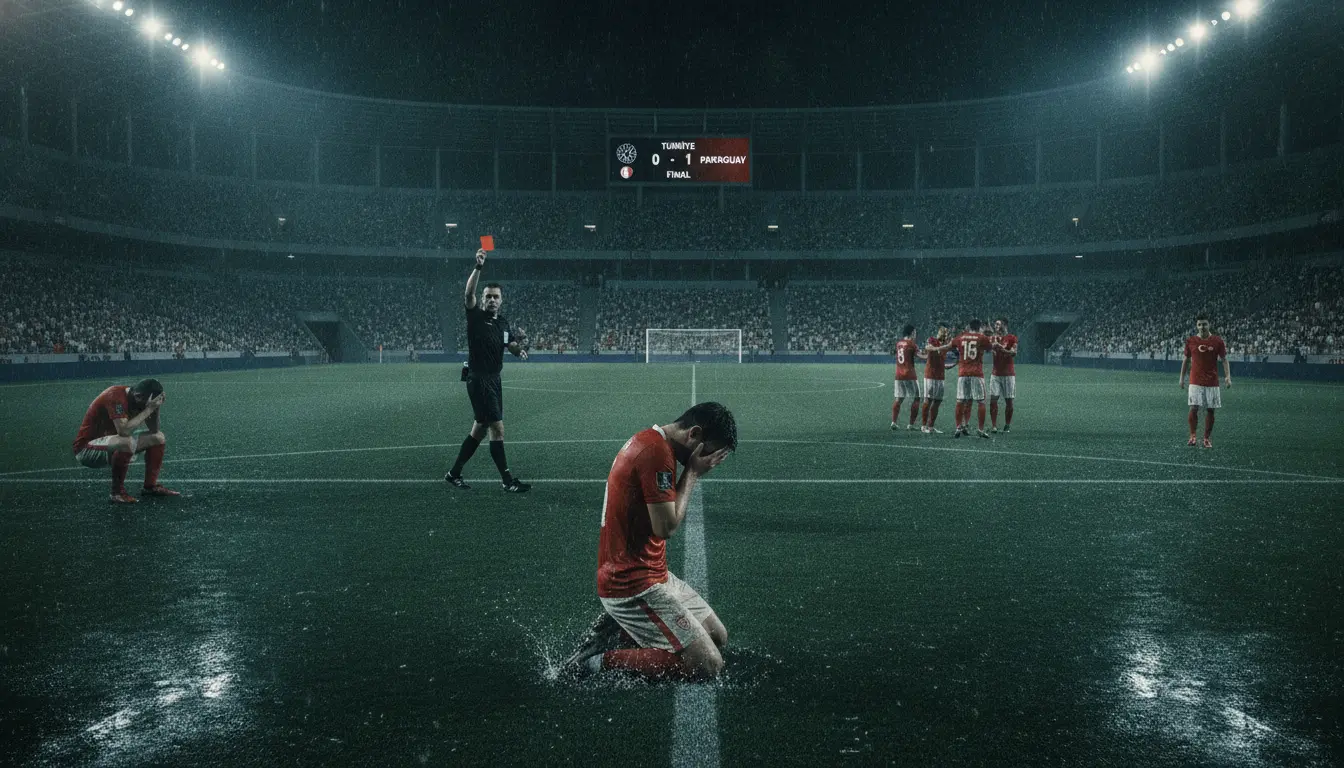
Turkiye knocked out of World Cup 2026 after 1-0 defeat to 10-man Paraguay
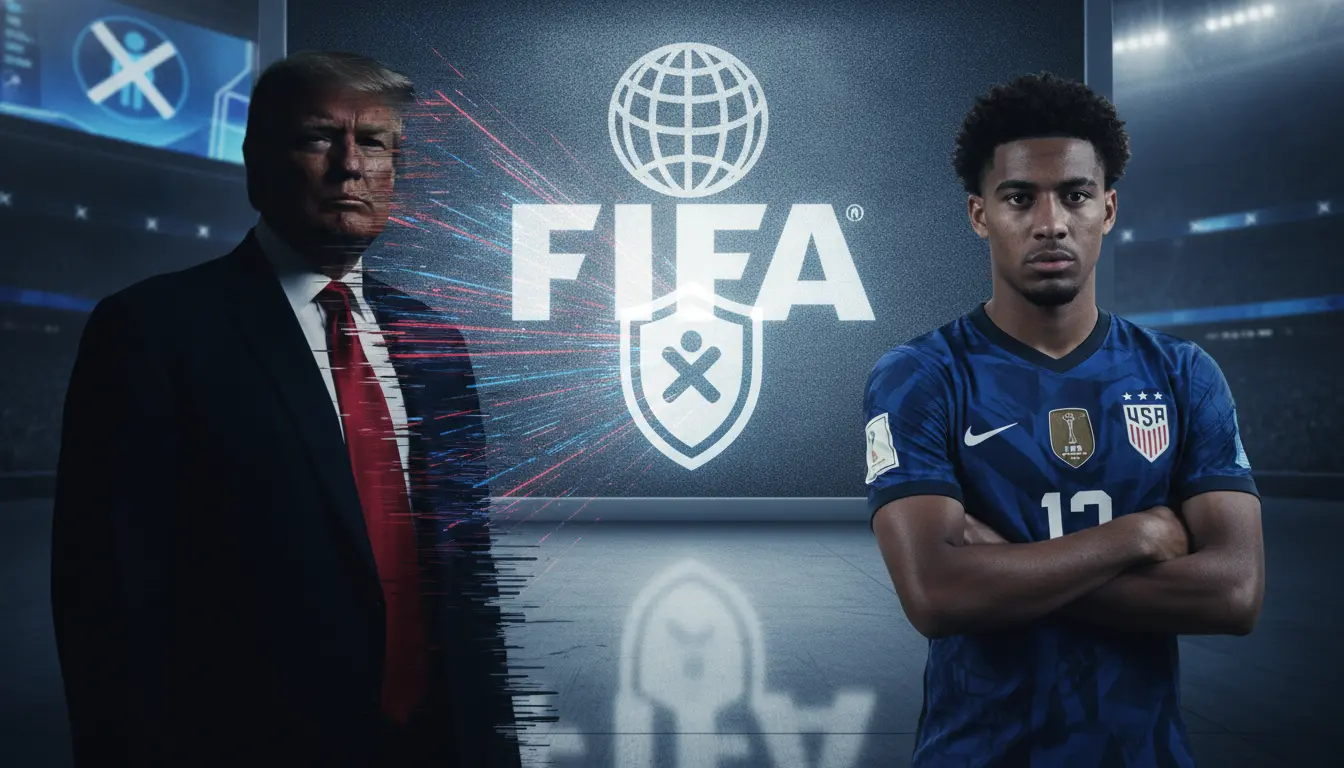
FIFA Defends Balogun Suspension, Issues Veiled Rebuke to Trump's Interference
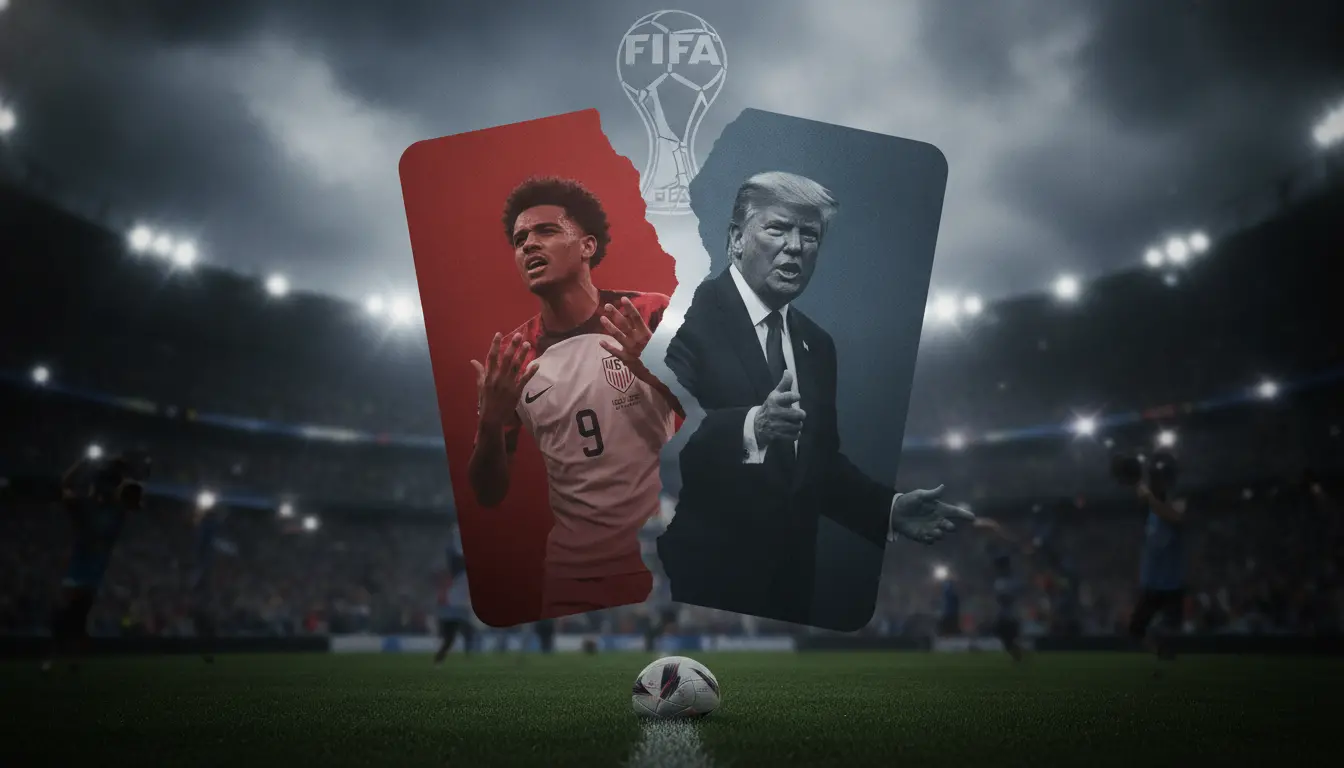
FIFA Faces Intense Scrutiny Over Controversial Balogun Red Card Reversal Following Trump Intervention

Mexico beat South Korea 1-0, become first team to reach World Cup knockouts
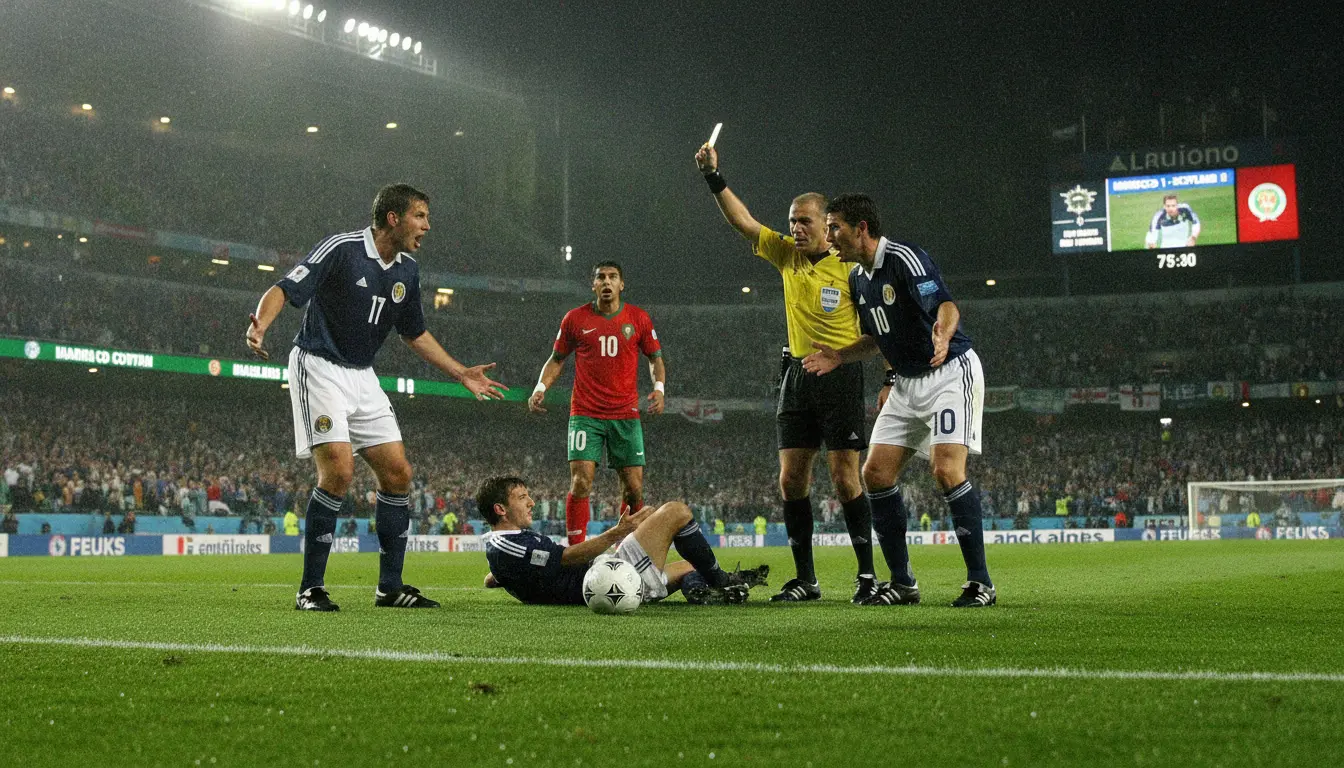
Should Scotland have had two penalties & been playing against 10 men?
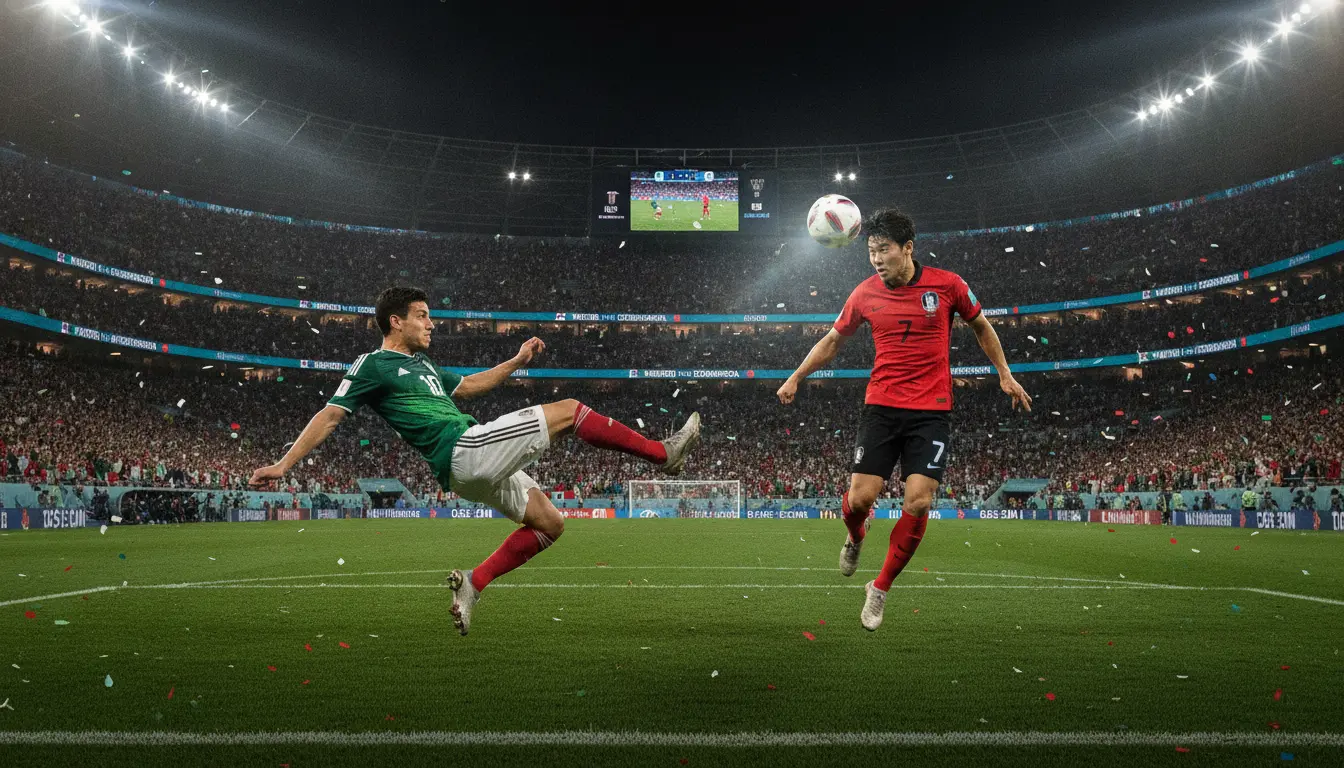
Mexico vs. South Korea World Cup Livestream: How to Watch Tonight’s Soccer Game Online Free

Cape Verde fight back for second World Cup draw 2-2 against Uruguay
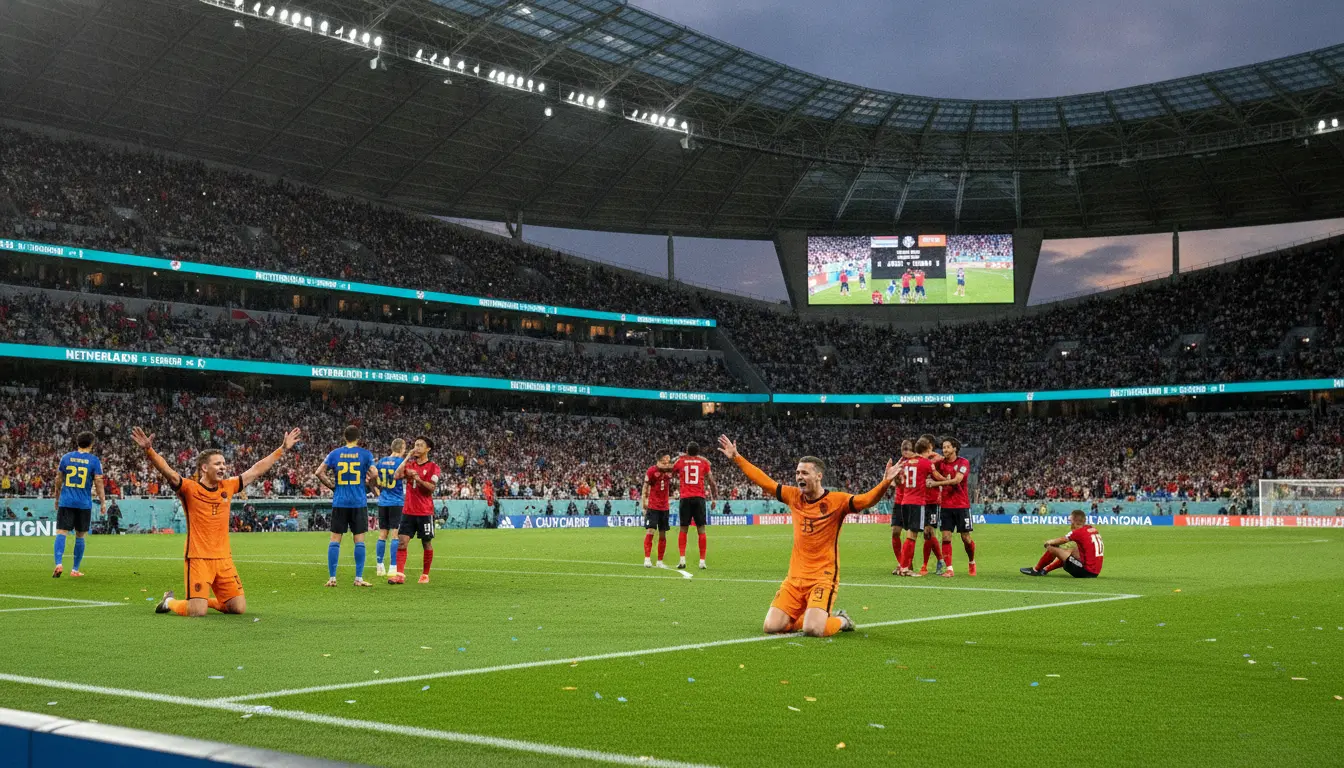
Watch World Cup Day 10: Netherlands thrash Sweden, Japan eliminate Tunisia
US refuses to ease Iran World Cup travel restrictions for Belgium match
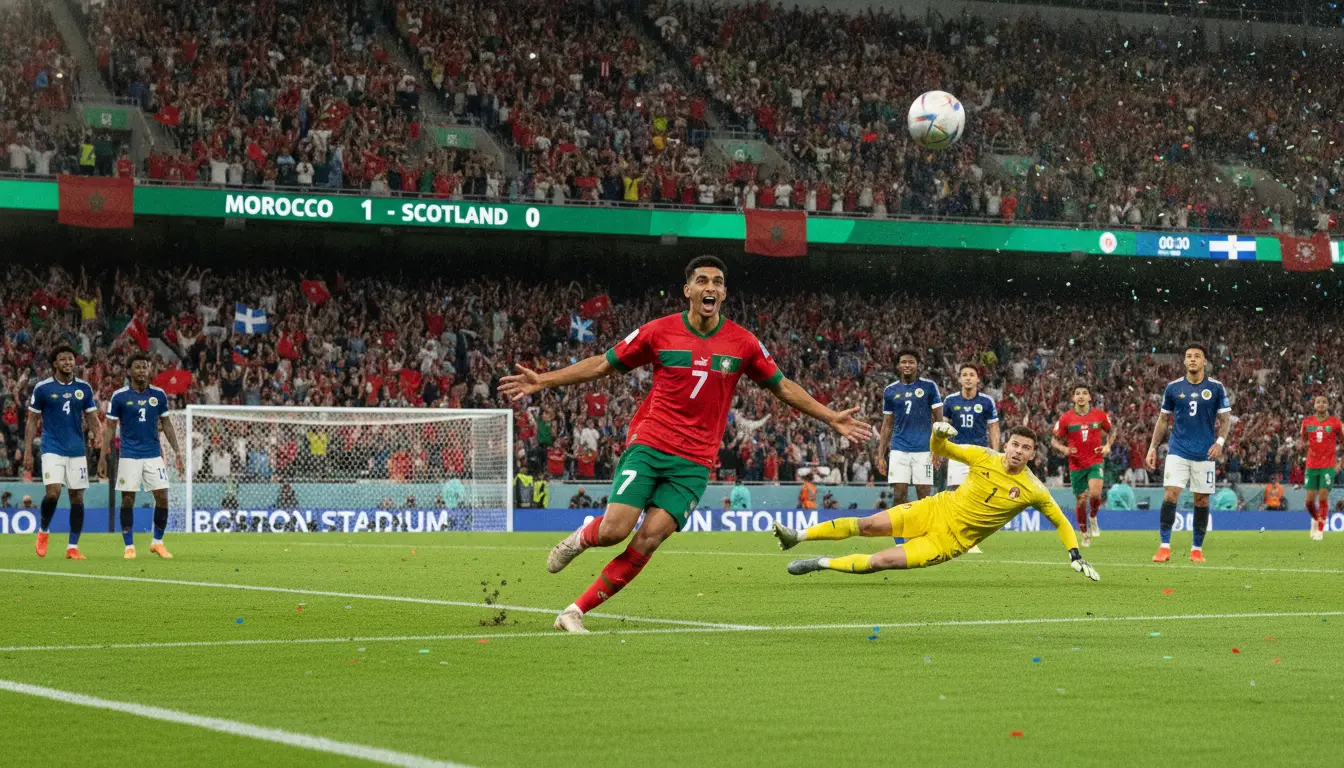
Morocco beat Scotland 1–0 as Saibari scores fastest World Cup 2026 goal