

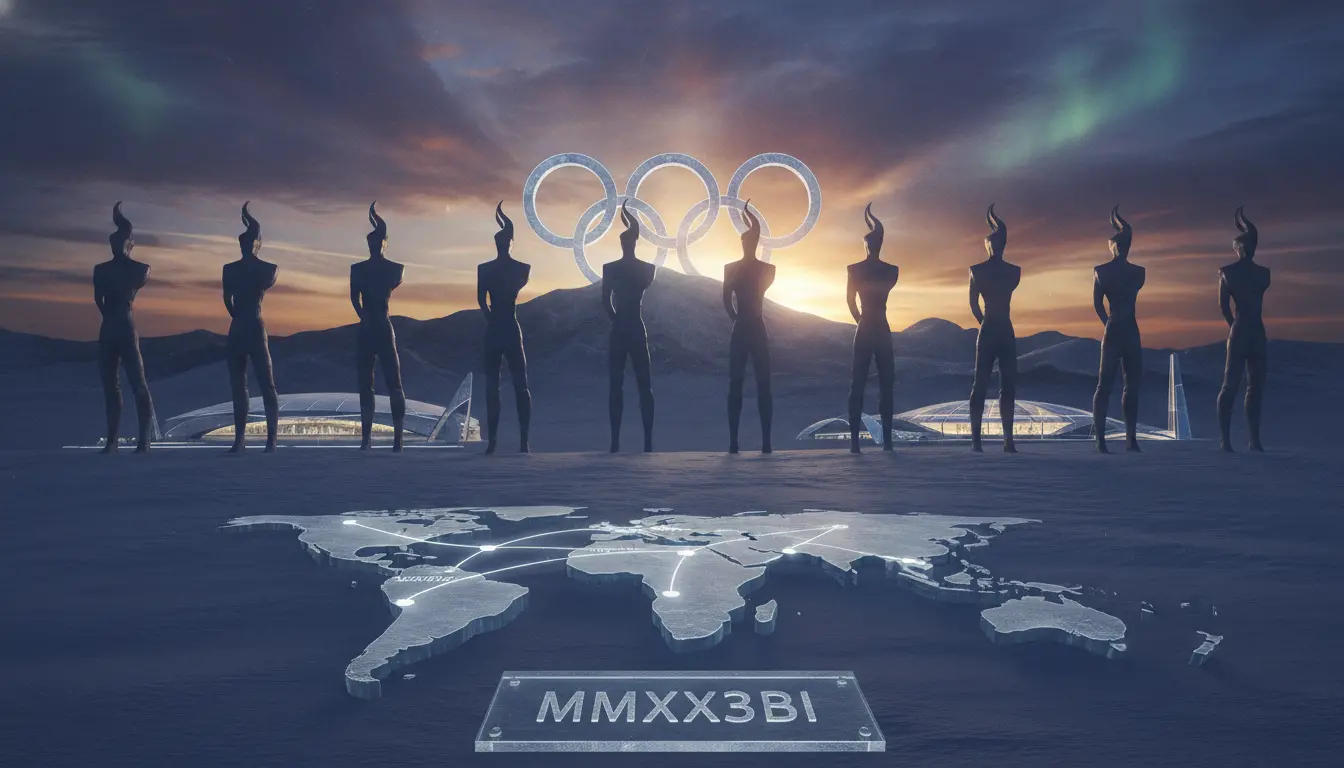
IOC Intensifies Search for 2038 Winter Olympics Host, Shortlist Emerges
The International Olympic Committee (IOC) is moving forward with its refined selection process for the 2038 Winter Olympic and Paralympic Games, engaging in targeted discussions with several prominent contenders. With an eye toward ensuring stability and optimal planning, the global sports body is expected to identify a preferred host city well in advance, departing from the more traditional, last-minute competitive bidding wars of the past. Salt Lake City in the United States has emerged as a particularly strong candidate, alongside former hosts Sapporo, Japan, and Vancouver, Canada, as the IOC seeks a partner capable of delivering a sustainable and impactful event.
This proactive approach by the IOC reflects a significant shift in its strategy for awarding the Games. Faced with dwindling interest from potential host cities, escalating costs, and concerns over sustainability and public opposition, the committee reformed its process to adopt a more collaborative “continuous dialogue” model. This allows the IOC’s Future Host Commissions to work closely with interested parties, guiding them through a tailored proposal phase rather than a rigid, expensive bidding competition. The goal is to secure a long-term partner capable of leveraging existing infrastructure and demonstrating a clear vision for the Games’ legacy, ensuring the future viability of the Winter Olympics amidst growing environmental and economic challenges.
Salt Lake City, host of the successful 2002 Winter Games, presents a compelling case due to its virtually complete set of Olympic-standard venues and a strong base of public and private sector support. Utah’s Olympic committee has openly expressed its readiness to host again, ideally in 2034, but remains flexible for 2038 if necessary. The primary consideration for the IOC regarding Salt Lake City is its proximity to the Los Angeles 2028 Summer Olympics. Awarding back-to-back Games to the same continent, particularly the United States, raises complex logistical, financial, and marketing challenges, which the IOC is carefully weighing as it structures its future hosting schedule.
Meanwhile, Sapporo, which successfully hosted the Winter Games in 1972, and Vancouver, host in 2010, are also in the frame. Sapporo had initially been a frontrunner for the 2030 Games, but its bid was put on hold following a series of corruption scandals involving the Tokyo 2020 Summer Olympics. While the city retains significant infrastructure, public enthusiasm for hosting another Games has waned considerably in Japan, prompting a necessary period of introspection and renewed public consultation for any future Olympic ambitions. Vancouver, too, boasts a strong legacy from 2010, but its recent domestic efforts to secure governmental and Indigenous support for a 2030 bid faced significant hurdles, indicating potential complexities for a 2038 candidacy.
The global landscape for the Winter Olympics is increasingly challenging. Climate change poses a direct threat to traditional winter sports venues, requiring hosts to guarantee reliable snow and ice conditions, often through costly artificial means. The immense financial investment required, coupled with the potential for white elephant venues and public debt, has made many cities wary of bidding. The IOC is keen to avoid scenarios that lead to public backlash or leave a detrimental environmental footprint, prioritizing bids that promise fiscal responsibility, use of existing facilities, and a robust, sustainable legacy that aligns with local development goals.
This evolving selection process underscores the IOC’s strategic pivot towards long-term planning and relationship-building with potential hosts. By engaging in ongoing dialogue rather than competitive bidding, the committee aims to mitigate risks, foster greater transparency, and ultimately secure partners genuinely committed to the Olympic ideals and capable of delivering a world-class event. The expectation of a decision well before 2026 suggests the IOC is seeking to lock in future hosts with ample preparation time, ensuring continuity and stability for its flagship winter event.
The ultimate selection for 2038 will not merely be about picking a city but about shaping the future trajectory of the Winter Games. It will reflect the IOC’s vision for balancing tradition with innovation, addressing climate concerns, managing economic realities, and rekindling global interest in winter sports. The chosen host will serve as a crucial benchmark for how future Games can be delivered sustainably and inclusively, navigating the complex interplay of sport, politics, and environment on a global stage.
Stay Informed. Act Smarter.
Get weekly highlights, major headlines, and expert insights — then put your knowledge to work in our live prediction markets.
Related News
Belgium and Netherlands Gear Up to Co-Host 2026 Men's FIH Hockey World Cup Amid Global Anticipation
Speculation Intensifies Over Mexico-South Africa Pairing for 2026 FIFA World Cup Opening Match

UEFA-FIFA Power Struggle Intensifies, Casting Doubt on European Participation in 2026 World Cup
Anticipation Builds for 2026 AIG Women's British Open, A Premier Major Championship
Emmy Organizers Weigh Solo Host Format for 2026 Ceremony Amid Evolving Live TV Landscape
FIFA President Gianni Infantino Faces Mounting Pressure Amid Renewed Integrity Concerns
Anticipation Builds for 2026 European Women's Volleyball Championship as Co-Hosts Prepare

The Fierce Battle for WTA's 2026 Year-End World No. 1 Title Looms
London Marathon to be held as two-day event in 2027
Robinson and Thibeault Set for Monumental Middleweight Unification Bout in 2026