Politicssanctions & tradeTrade Tariffs
US Reduces Planned Tariffs on Italian Pasta to Curb Price Hikes
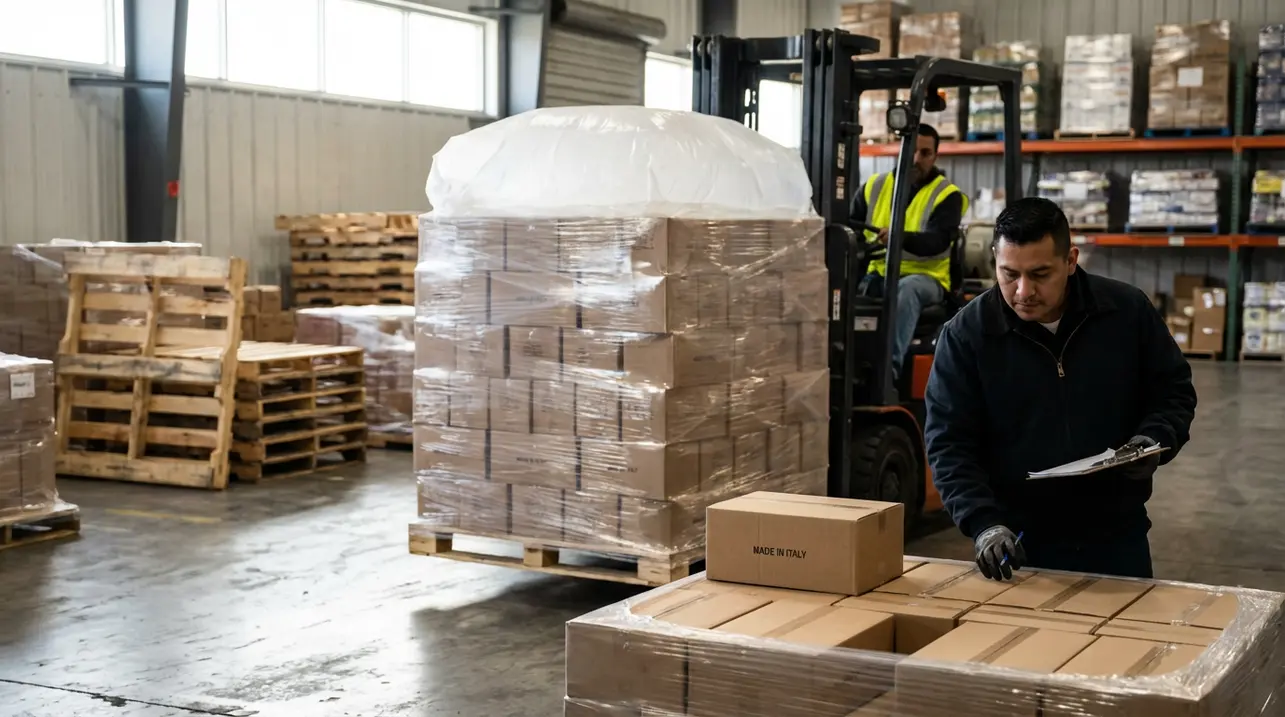
In a swift, late-stage intervention aimed at averting a consumer price shock, the Biden administration has significantly scaled back its planned imposition of steep tariffs on Italian pasta imports. The original plan, which targeted 13 major Italian producers and could have seen duties soar as high as 45%, has been dramatically curtailed following intense lobbying and stark warnings from U.S. importers and retailers.This eleventh-hour rollback, confirmed by officials late Tuesday, directly addresses fears that American shoppers would soon be facing empty shelves or paying a premium of 20-30% more for staple items like spaghetti, penne, and fettuccine. The move underscores the delicate balancing act facing U.S. trade policy: the desire to protect domestic industries and address longstanding trade disputes must be weighed against the immediate, inflationary impact on household budgets in an election year where the cost of living remains a paramount concern.The dispute itself has deep roots, stemming from a years-long investigation by the U. S.Commerce Department into alleged unfair subsidies provided by the Italian government and the European Union to its durum wheat farmers and pasta manufacturers. U.S. producers, primarily based in the upper Midwest, have argued for over a decade that this support creates an unlevel playing field, allowing cheaper Italian imports to flood the market and undercut their business.The initial, aggressive tariff proposal was the logical, if blunt, instrument resulting from that investigation's findings. However, the economic calculus shifted dramatically when internal White House analyses projected the downstream effects.Major U. S.grocery chains and foodservice distributors, who rely heavily on consistent, affordable Italian pasta due to its specific quality and consumer preference, presented data showing that alternative sourcing from domestic or other international producers could not meet demand in the short term. The potential for empty shelves and spiking prices during a period of already stubborn food inflation was deemed an unacceptable political and economic risk.From a strategic perspective, this decision also reflects a nuanced approach to transatlantic relations. While standing firm on the principle of challenging unfair trade practices, the softened stance avoids a full-blown trade skirmish with the European Union, a key ally, at a time when unity on geopolitical issues like Ukraine is critical.
#trade tariffs
#pasta imports
#US-Italy trade
#consumer prices
#lead focus news