Politicsprotests & movements
Filthy Matters: History and Politics of Public Bathrooms
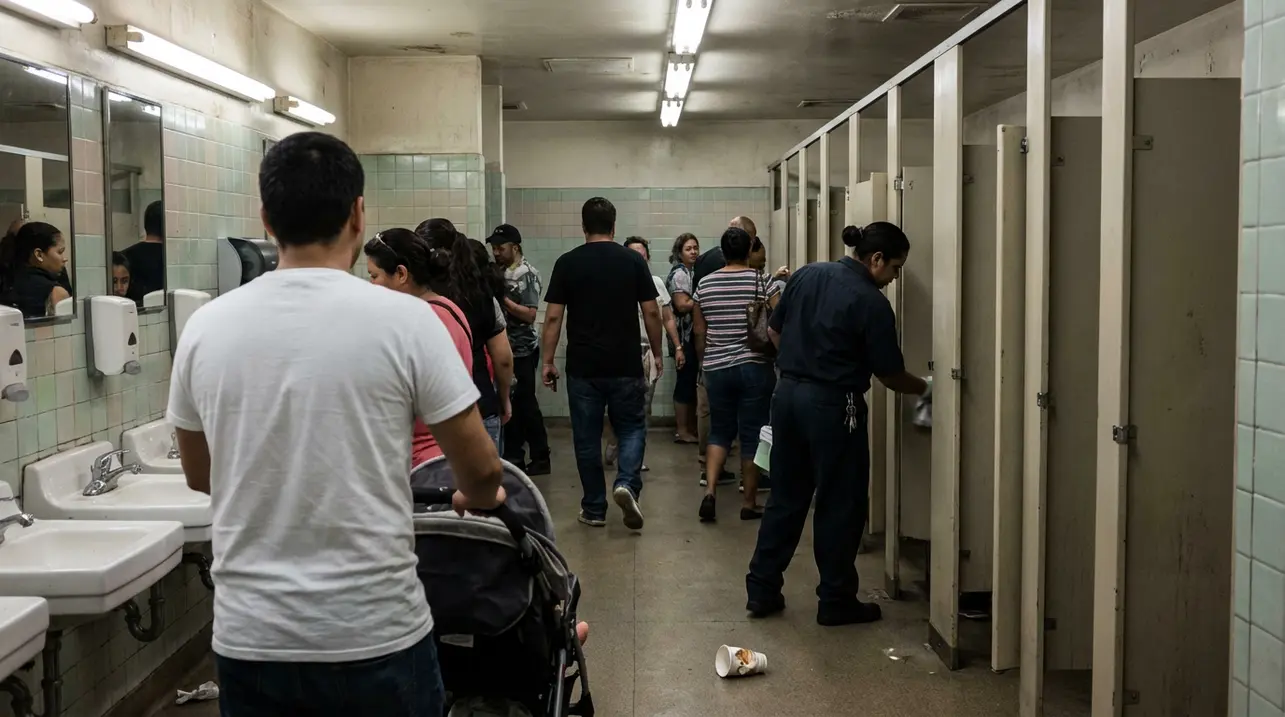
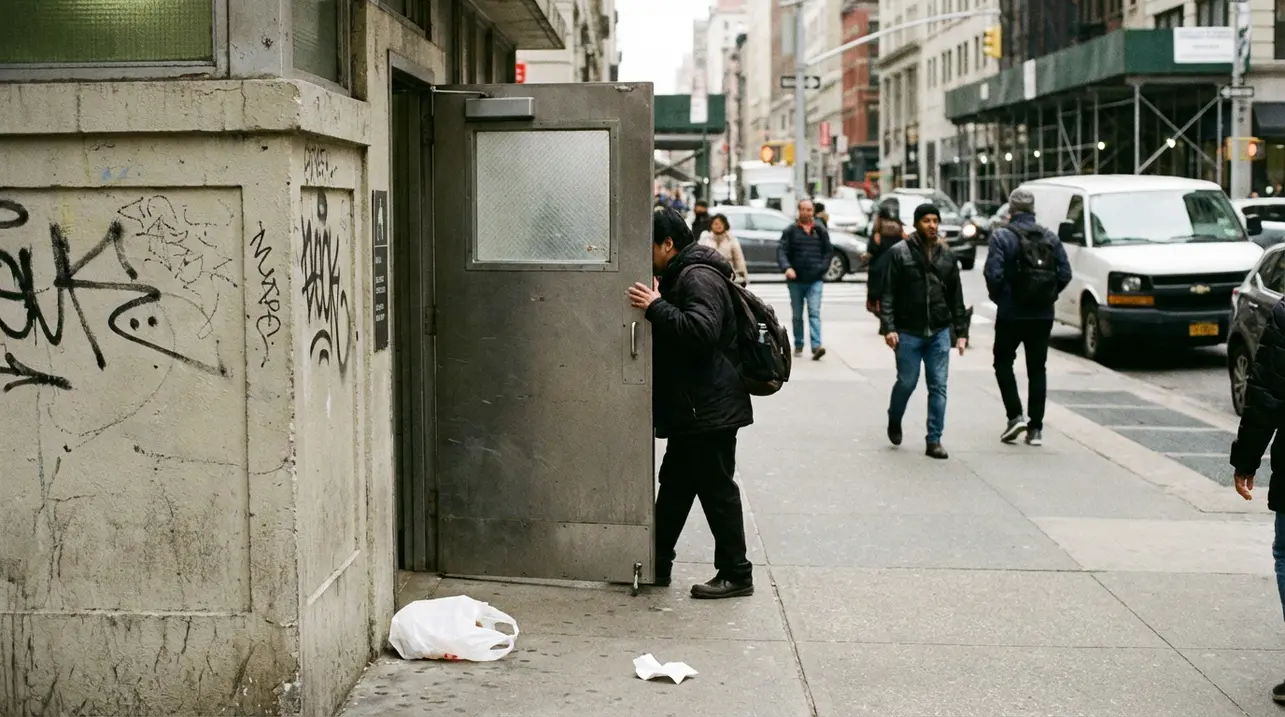
Calvin Gimpelevich’s work on the history and politics of public bathrooms isn’t just an academic exercise; it’s a profound exploration of the most intimate and public spaces we share, a topic that resonates deeply with anyone who’s ever felt a moment of anxiety or exclusion standing before a locked door or a sign they don’t understand. To truly grasp the weight of his subject, you have to start with the people.I think of Sarah, a trans friend who meticulously plans every outing around known safe havens—a specific café, a progressive bookstore—because for her, a simple restroom visit is a calculated risk assessment, a potential confrontation with policy, prejudice, or violence. Then there’s James, a father pushing a stroller, faced with the frustrating architectural oversight that is the men’s room without a changing table, a silent message about who is expected to perform caregiving.These are not abstract issues; they are daily, embodied experiences. Gimpelevich’s historical dive likely traces how these spaces evolved from Roman bathhouses, centers of social and political life, to the Victorian era’s rigid, moralistic separation of genders, a move less about modesty and more about enforcing a specific social order that relegated women to the private sphere.The 20th century saw the rise of the ‘public’ toilet as a tool of segregation under Jim Crow, a brutal, state-sanctioned mechanism of control, and later, the battleground for the Americans with Disabilities Act, a hard-fought victory for accessibility that we now often take for granted. The politics are in the pipes and the partitions.Today’s so-called ‘bathroom bills’ are a direct descendant of this history, using the guise of safety to police gender identity, a modern iteration of using infrastructure to enforce a binary worldview. But the conversation is also about class and urban planning.The stark decline of public facilities in cities like New York or London isn’t merely an inconvenience; it’s a failure of civic responsibility that disproportionately impacts delivery drivers, homeless populations, and tourists, turning a basic human need into a commodity you purchase with a coffee. Experts in urban sociology point out that the absence of public bathrooms is a form of social control, designed to keep ‘undesirable’ populations from lingering.Meanwhile, in places like Japan or Switzerland, the public toilet is a point of national pride—technologically advanced, impeccably clean, a reflection of societal values around collective well-being and respect. Gimpelevich’s analysis, viewed through this human-centric lens, forces us to ask: who is a public space truly for? The answer, written in the stall doors, the signage, and the very presence or absence of these facilities, reveals our deepest biases about gender, ability, class, and who belongs in the public square. It’s a reminder that the most mundane infrastructures are often the most telling mirrors of our politics, reflecting not just our faces, but our values, our fears, and our ongoing struggle to build a world that accommodates every body.
#public bathrooms
#sanitation
#history
#politics
#urban planning
#social equity
#editorial picks news