Entertainmentculture & trends
Politics Is Fandom; Fascism Is Fanfic
MA1 week ago7 min read1 comments
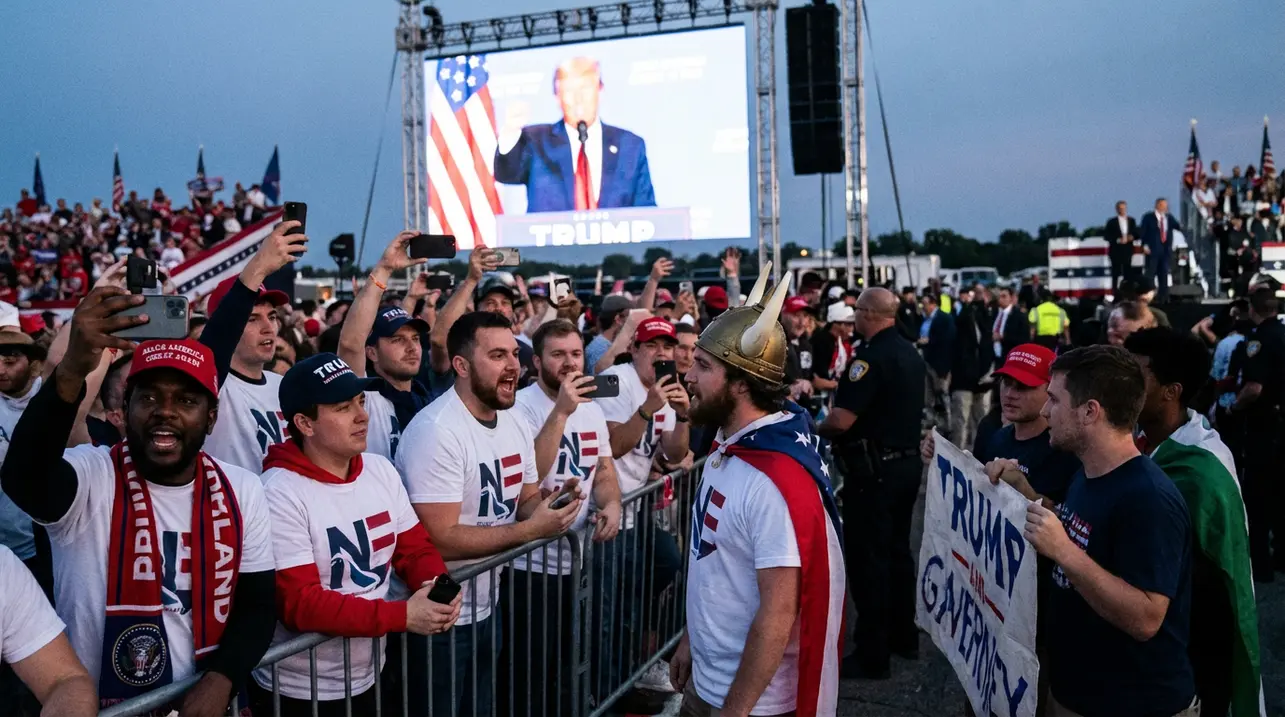
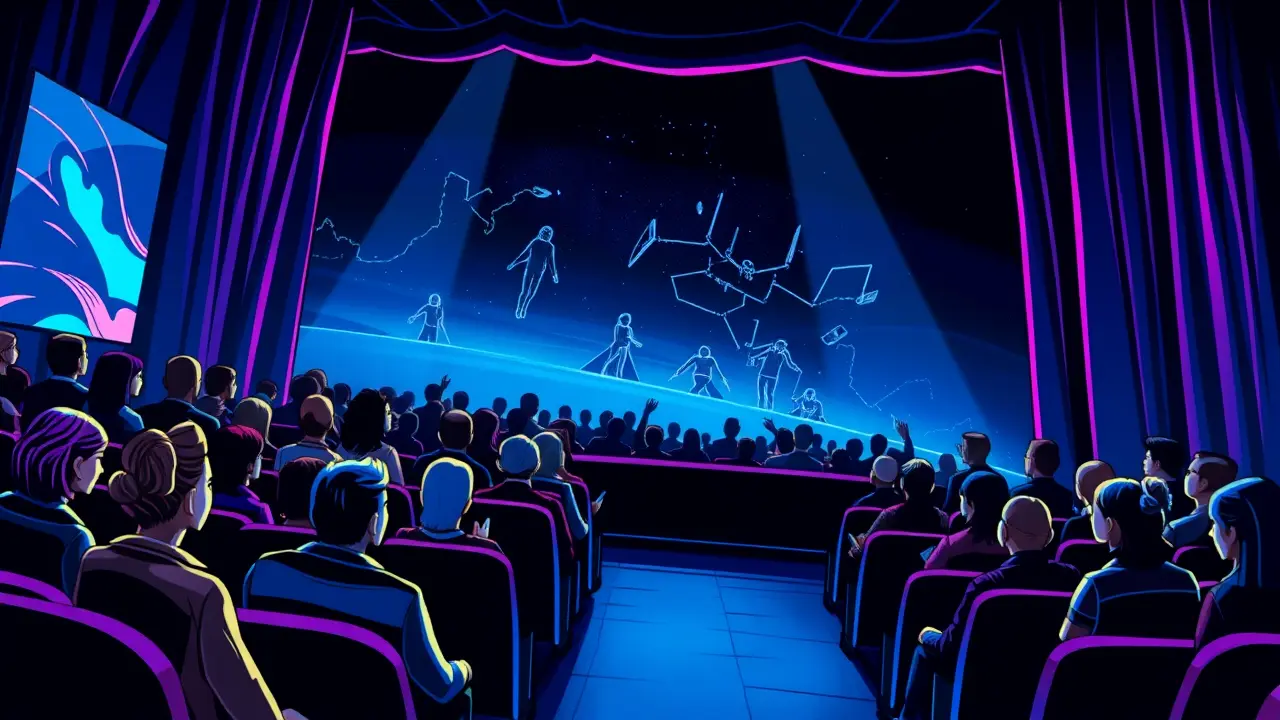
If you’ve ever watched a political rally and felt the same electric buzz as a stadium before a big game, you’re not imagining it. The line between politics and fandom has not just blurred; it’s been erased.Take Zohran Mamdani’s campaign, for instance. It wasn't just a bid for office; it was a masterclass in building a fanbase, complete with its own lore, in-jokes, and a sense of belonging that transcends traditional policy platforms.This is the new playbook, and it’s being run from local races right up to the highest echelons of power. Remember when the official U.S. government social media accounts started dropping Halo memes? That wasn't a random intern having fun—it was a strategic maneuver to speak the language of a generation raised on digital communities and shared cultural touchstones.It’s a recognition that to capture attention and loyalty today, you must operate not as a distant institution, but as a franchise people want to be part of. This shift turns voters into stans, policies into plotlines, and opponents into narrative villains.The danger, of course, is when this narrative engine is hijacked. Fascism, in this framework, isn't just an ideology; it's the ultimate dark fanfic.It takes the raw materials of national identity, historical grievance, and social anxiety, and rewrites them into a compelling, us-versus-them story with a charismatic leader at its center. It offers the intense belonging and purpose of the most dedicated fandom, but with real-world, catastrophic stakes.We've seen this script before, in the 20th century's darkest chapters, where propaganda mastered the art of communal storytelling. Now, the tools are infinitely more powerful: algorithmic feeds that reinforce belief systems, social media platforms that function as endless convention halls, and a media ecosystem that often prizes engagement over truth.The tactical play is no longer just about winning debates on substance; it's about winning the narrative war, controlling the lore, and mobilizing your base with the fervor of fans defending their favorite series finale. Analysts watching this trend warn that it makes politics more volatile and compromise nearly impossible.When you're dealing with deeply held identities rather than negotiable opinions, the middle ground evaporates. The campaign volunteer’s insight is crucial here: modern strategy is less about persuasion and more about activation—turning passive supporters into active evangelists who will create content, defend the brand, and attack detractors.This is the double-edged sword of politics-as-fandom. On one side, it can democratize engagement and inspire a new wave of participation.
#politics as fandom
#US politics
#political communication
#internet memes
#Zohran Mamdani
#Halo
#editorial picks news