PoliticsdiplomacyDiplomatic Sanctions
Two British anti-hate speech campaigners sanctioned by US state department – UK politics live
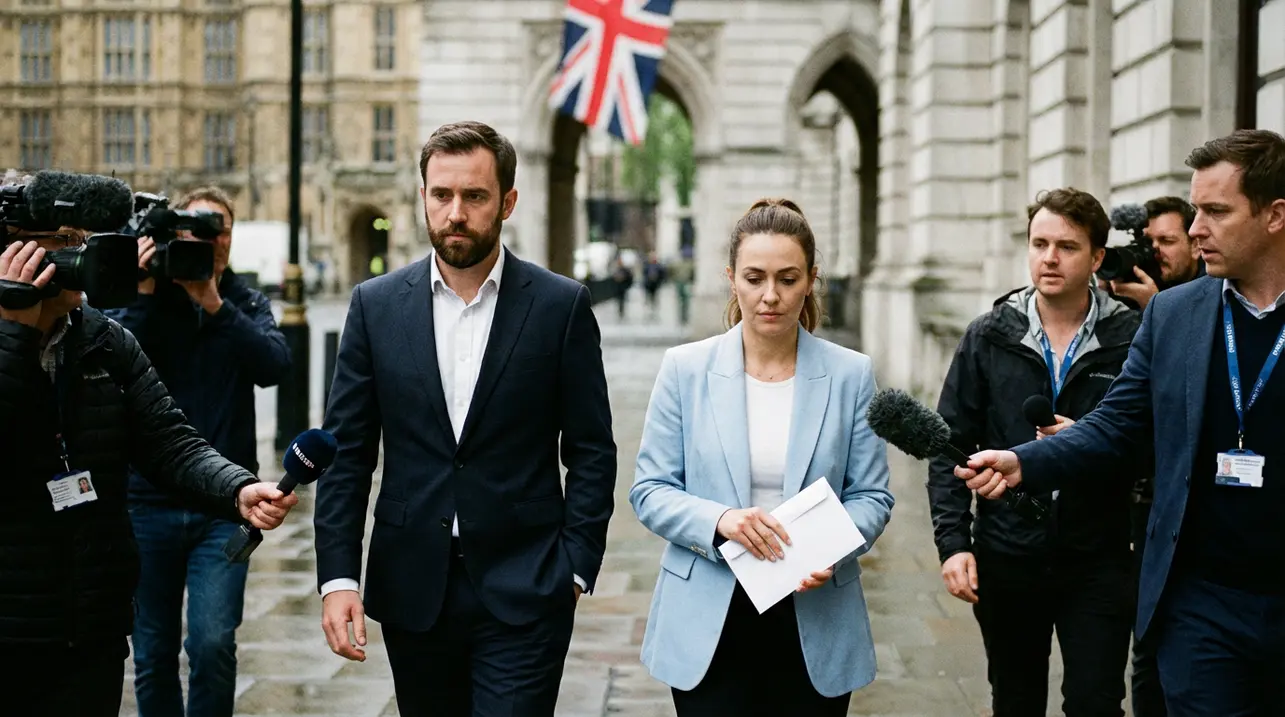
In a move that sharply escalates the transatlantic culture war, the US State Department has slapped visa bans on five European figures, a list that notably includes two prominent British campaigners, Imran Ahmed of the Center for Countering Digital Hate (CCDH) and Clare Melford of the Conscious Advertising Network. The official rationale, as framed by Washington, is an accusation that these individuals seek to 'suppress American viewpoints they oppose,' a charge that lands like a political grenade in the already fraught debate over online speech, platform governance, and the very definition of hate.This isn't just a bureaucratic footnote; it's a strategic salvo, a deliberate weaponization of foreign policy tools to intervene directly in a domestic ideological battle, and it signals a new, aggressive front in the US-UK 'special relationship' where shared values are now under open dispute. For observers of political strategy, the timing and targeting are masterclasses in message discipline—by sanctioning activists linked to efforts urging advertisers to boycott platforms over hate speech and misinformation, the administration is framing its allies not as protectors of vulnerable communities, but as censors, a narrative designed to galvanize a domestic base deeply suspicious of 'woke' capital and globalist elites.The ripple effects are immediate and profound: for Ahmed and Melford, it's a personal and professional blow, cutting them off from networks and conferences stateside; for the UK government, it presents a diplomatic tightrope, forced to balance its stated commitments to online safety with maintaining a functional partnership with a key ally now openly hostile to those very policies. Historically, such sanctions have been reserved for human rights abusers, corrupt officials, or threats to national security, making this application to civil society campaigners a radical and concerning precedent that could invite reciprocal actions and chill advocacy worldwide.The backdrop, of course, is the looming specter of the 2024 US election, where content moderation on social media is a hyper-charged fault line; this action effectively externalizes that conflict, placing European actors squarely in the crosshairs and testing the resilience of international coalitions built around digital rights. Meanwhile, Keir Starmer’s parallel Christmas message, urging kindness to those struggling, plays in a different register entirely—a domestic, apolitical appeal to communal spirit that underscores the stark contrast between the Labour leader's focus on internal cohesion and the geopolitical storm clouds gathering over fundamental freedoms.Analysts are now watching closely to see if other nations follow the US lead, potentially creating a bloc opposed to what they frame as digital authoritarianism, while free speech absolutists cheer the stance and human rights groups warn of a dangerous erosion of safeguards against real-world harm fueled online. This is more than a policy disagreement; it's a battle for the narrative high ground, where the tools of statecraft are deployed to define the boundaries of acceptable discourse itself, and the long-term consequence may be a deeply fragmented internet, Balkanized not just by firewalls, but by irreconcilable ideologies over the meaning of liberty and safety in the digital age.
#sanctions
#US state department
#visa bans
#free speech
#UK activists
#diplomatic relations
#featured