Entertainmenttheatre & arts
Cultural Critics' Key Reflections on Art and Politics in 2025
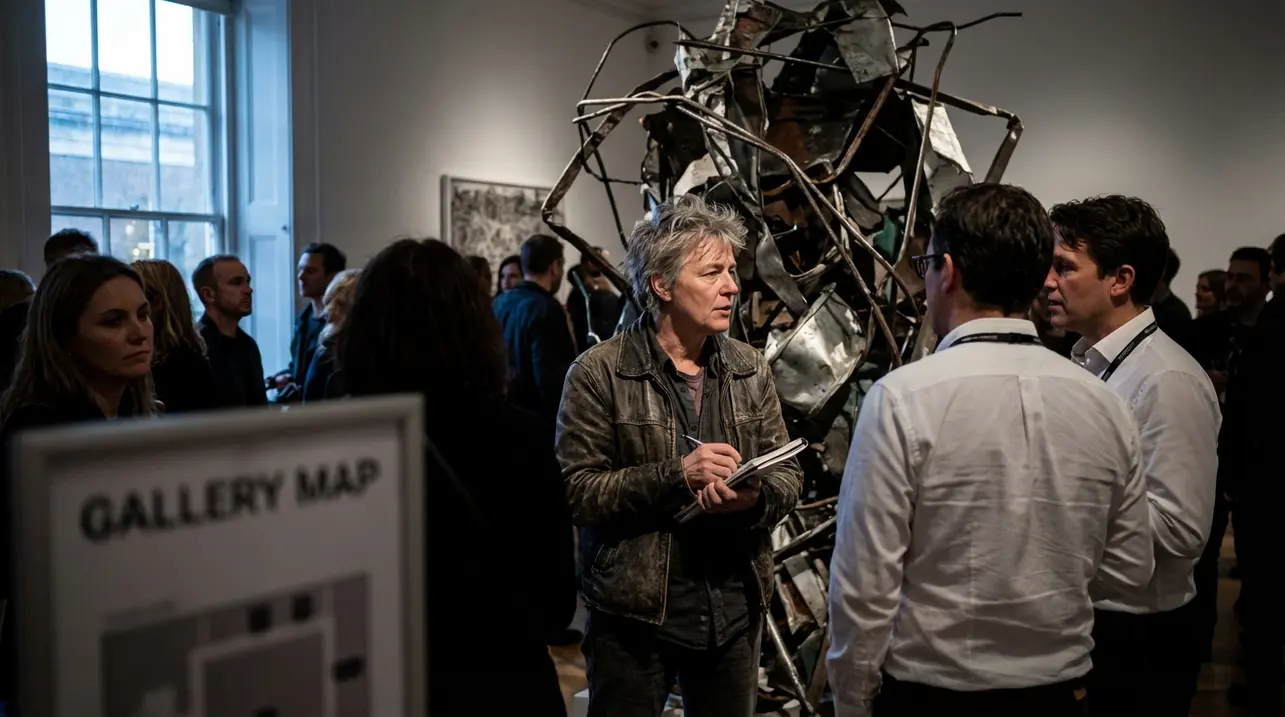
As the year 2025 unfolds, the conversation between art and politics has evolved from a simmering subtext to the dominant, inescapable framework through which culture is both created and critiqued. The key voices shaping this discourse are no longer content to analyze brushstrokes or narrative arcs in a vacuum; they are forensic analysts of power, dissecting how aesthetic choices reflect, resist, or are co-opted by the political currents of our fractured moment.This isn't merely about protest art hung in galleries; it's about the very infrastructure of culture—who gets funded, which platforms amplify which voices, and how the personal biography of an artist becomes a political battleground. We see a decisive pivot away from the detached, theory-heavy criticism of the late 20th century toward a criticism of urgent implication, where to write about a film, a painting, or a performance is to necessarily engage with the geopolitical and social anxieties it channels.For instance, the resurgence of monumental, figurative sculpture in public spaces across Eastern Europe isn't just an aesthetic trend; critics are meticulously unpacking it as a deliberate reclamation of national narrative post-conflict, a visual rebuttal to years of imposed historical memory. Similarly, the explosive, algorithm-driven popularity of certain digital art collectives from Southeast Asia is being read not just as a triumph of viral marketing, but as a sophisticated end-run around traditional Western-centric gatekeeping institutions, a form of soft-power diplomacy executed through generative aesthetics.The critic's role has thus expanded from interpreter to cartographer, mapping the intricate and often hidden power lines that connect studio practices to parliamentary debates, from museum boardroom decisions to activist hashtags. This shift demands a critic who is as fluent in the language of sanction regimes and climate policy as they are in color theory or montage, understanding that a biennial's theme in 2025 is as much a foreign policy statement as a curatorial one.The most compelling reflections this year grapple with this uncomfortable, essential entanglement, arguing that in an age of pervasive misinformation and ideological trench warfare, the political potency of art—and the critical scrutiny it demands—has never been more vital, or more perilous. The question is no longer if art is political, but whose politics it serves, how subtly it reinforces or subverts them, and whether the cultural sphere can remain a site for genuine dialogue or simply devolves into another front in an endless culture war, a prospect that haunts every serious critic writing today.
#editorial picks news
#cultural critics
#art
#politics
#2025 trends
#media criticism
#cultural landscape