Politicsprotests & movements
Filthy Matters: The History and Politics of Public Bathrooms
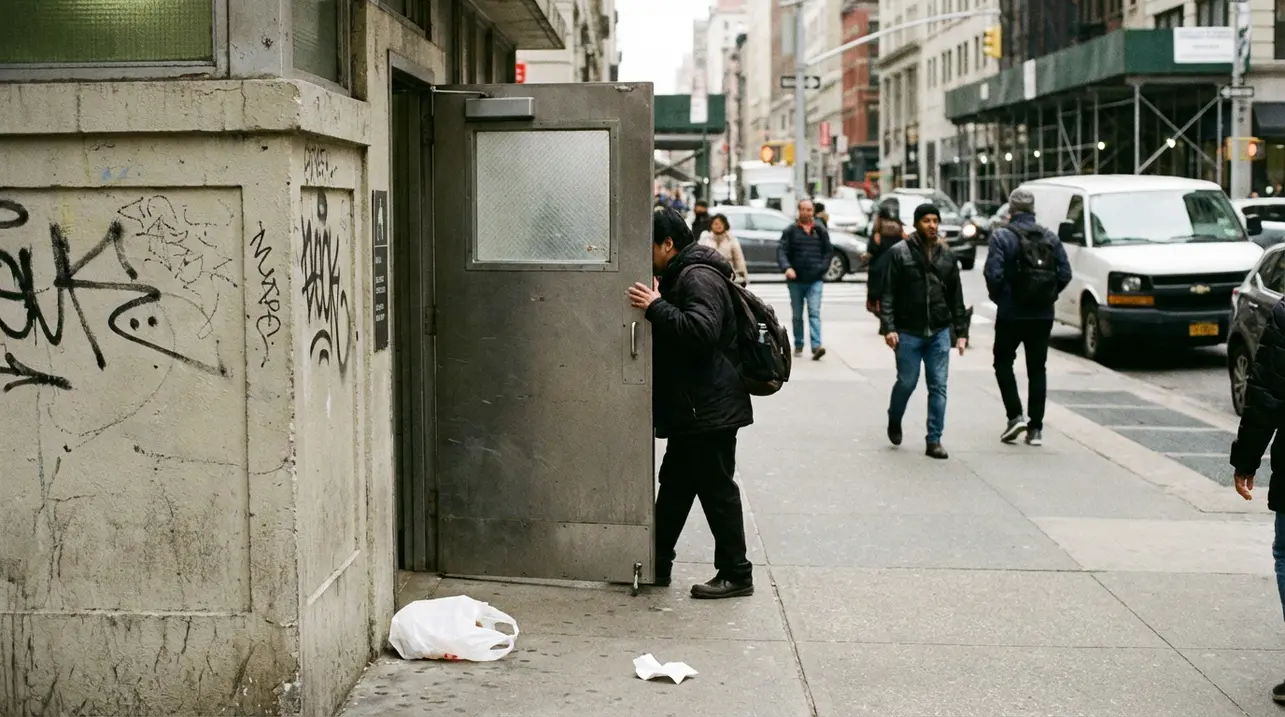
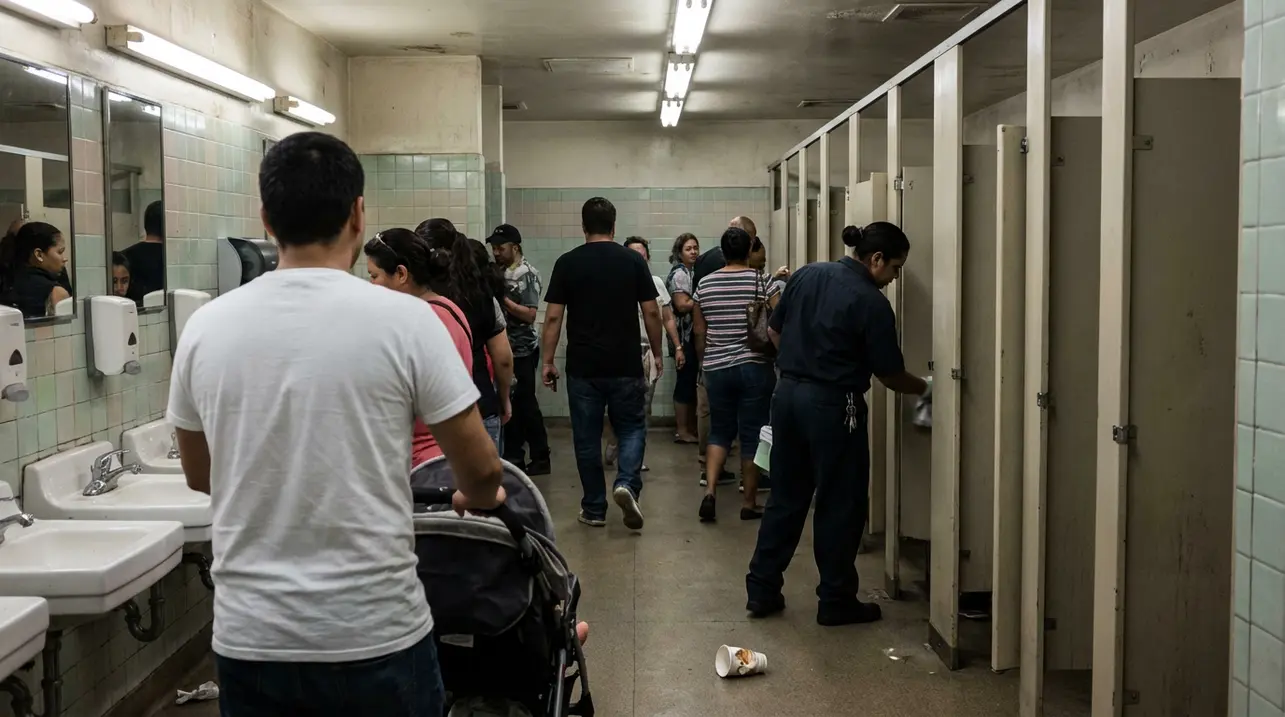
The public bathroom is far more than a utilitarian space; it is a battleground where history, politics, identity, and power converge in the most intimate of public arenas. Calvin Gimpelevich’s exploration into this often-overlooked domain reveals a complex tapestry woven from threads of social control, civil rights, and bodily autonomy.To understand the politics of the public restroom is to unpack centuries of design and regulation aimed at enforcing social order. In the Victorian era, the very introduction of public facilities was a moral project, an attempt to impose bourgeois ideals of cleanliness and propriety upon the urban masses, particularly the working poor and women, whose mobility was otherwise constrained by a lack of safe, dignified spaces.This historical precedent set the stage for the restroom’s enduring role as a site of exclusion. Fast forward to the 20th and 21st centuries, and the stall door remains a front line in the fight for equality.The segregation of facilities by race, brutally enforced under Jim Crow laws in the United States, made the bathroom a potent symbol of state-sanctioned humiliation and a key target for civil rights activists. Today, that legacy continues in the fierce, often vitriolic debates surrounding transgender access, where legislation policing bathroom use directly echoes past tactics of using spatial segregation to deny the legitimacy and safety of marginalized identities.The politics are deeply gendered; the chronic shortage of women’s bathrooms, a result of outdated building codes that historically prioritized male needs, speaks to a persistent devaluation of women’s time and bodily needs in public life. For disabled individuals, the fight for accessible facilities has been a long struggle for basic citizenship and independence, culminating in laws like the Americans with Disabilities Act.Meanwhile, the stark absence of public toilets for the unhoused population is not an oversight but a deliberate policy of hostile architecture, designed to make cities inhospitable to those without private refuge. From a global perspective, the availability—or lack—of public sanitation is a stark indicator of a society’s commitment to public health and human dignity, with profound consequences for women’s safety and educational opportunities in developing nations.The public bathroom, therefore, is a microcosm of the social contract. Its design, location, and rules reveal who a society values, who it seeks to control, and who it is willing to ignore.It is a space where biological necessity meets social ideology, where the most private act becomes a public declaration of one’s place in the hierarchy. As Gimpelevich’s work underscores, the fight for equitable access is not a niche concern but a fundamental question of justice, asking us who has the right to exist comfortably and safely in shared public space. The history of these ‘filthy matters’ is, ultimately, a history of the body politic itself—who is cleansed, who is purified, and who is deemed out of place.
#public bathrooms
#sanitation
#history
#politics
#urban planning
#social justice
#featured