Politicsgovernments & cabinetsLeadership Transitions
At Zohran Mamdani’s block party, I observed a simple truth: people want more politics, not less | Samuel Earle
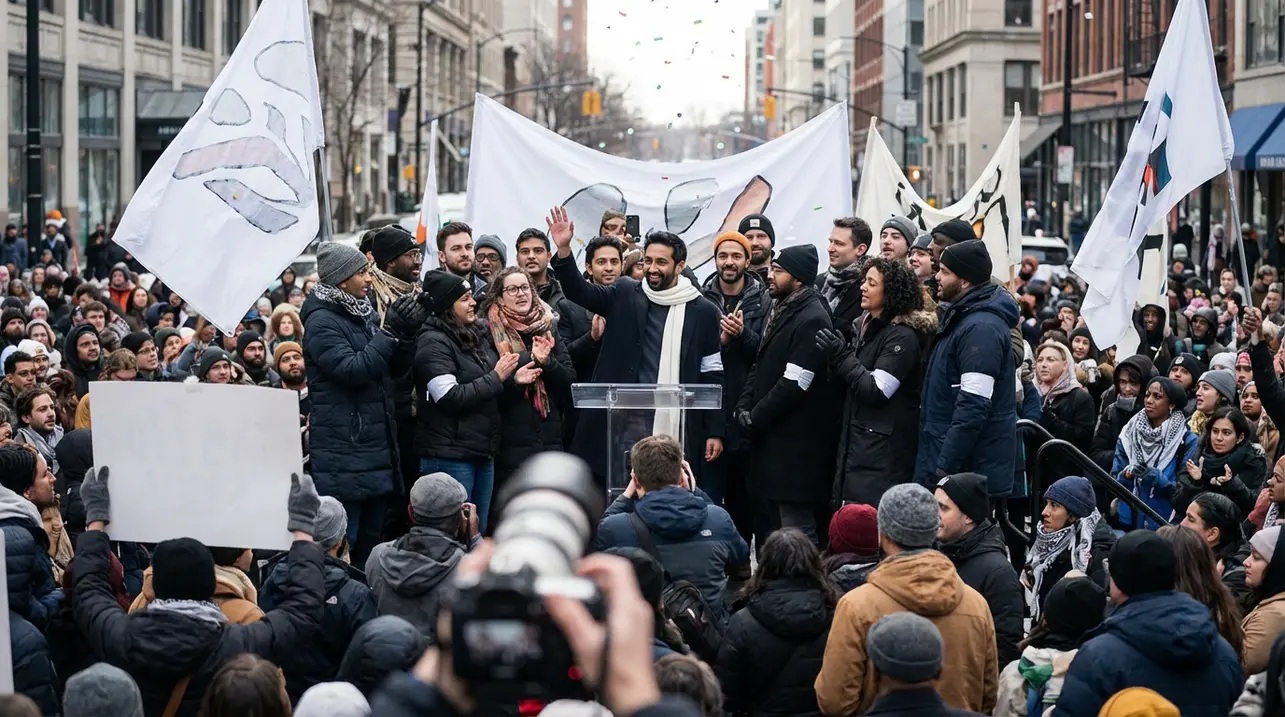
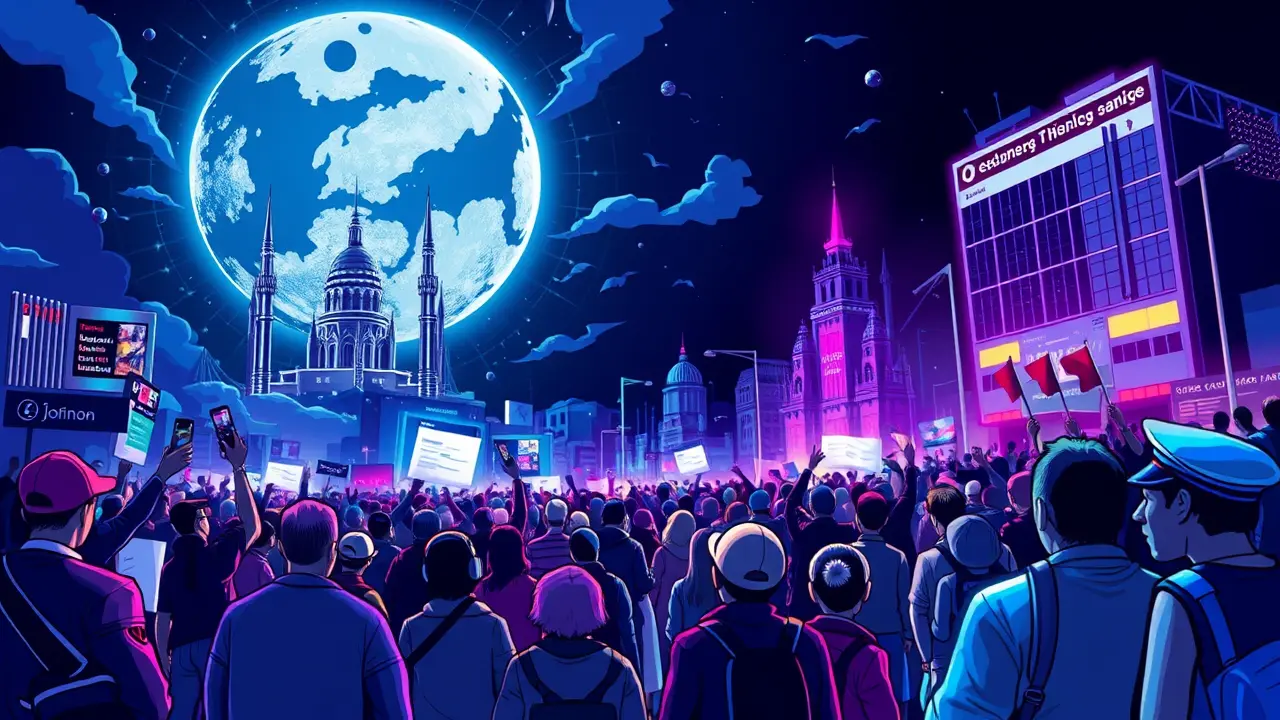
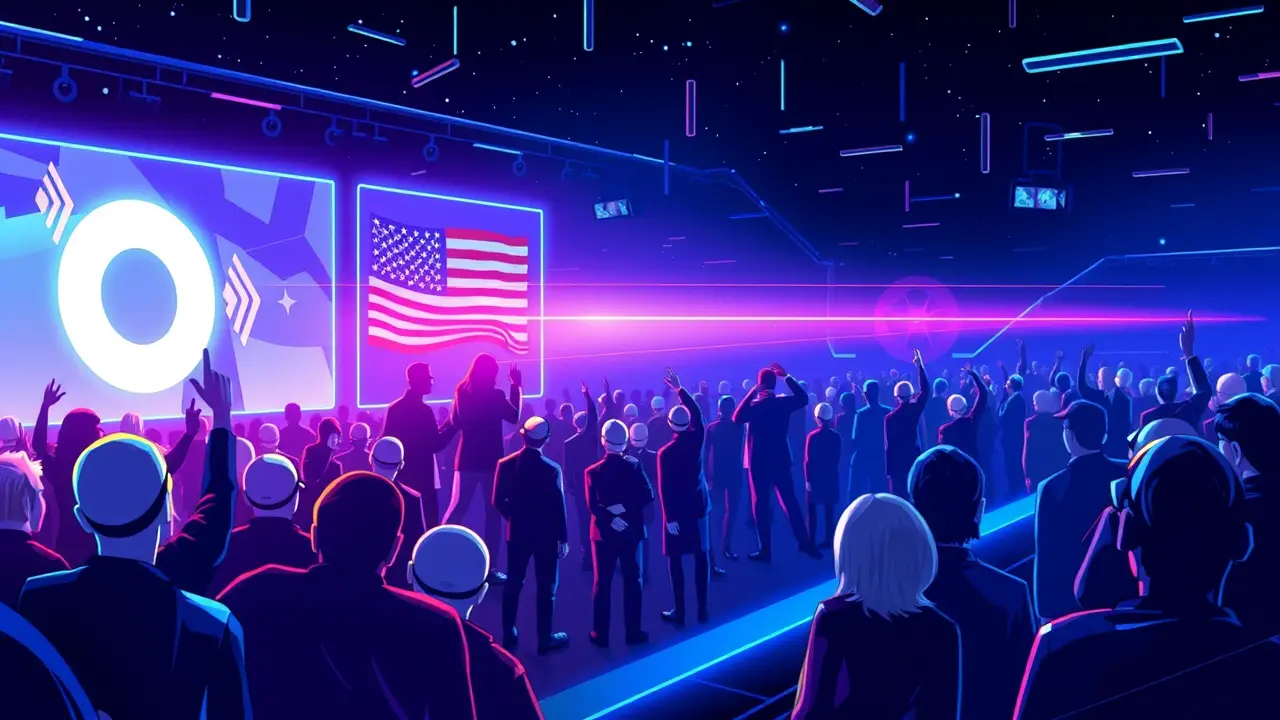
On January 1st, Zohran Mamdani didn’t just get sworn in as mayor of New York; he launched a campaign. The scene outside city hall was less a staid ceremony and more a mobilization, a strategic opening salvo in what promises to be a radically different kind of city governance.While the arctic winds whipped through Manhattan, the atmosphere was heated by the energy of a few thousand on-site supporters and tens of thousands more watching on giant screens down a closed-off street—a block party as political theater. This was no accident.In an era where voter apathy and cynical disengagement are the expected norms, Mamdani’s team executed a flawless opening play: rejecting the exclusive, donor-heavy cocktail reception for a mass, open-invitation festival. The message was embedded in the medium: this administration views politics not as a closed-door transaction but as a public spectacle meant to be participated in, a direct challenge to the hollowed-out political landscape defined by years of scandal and managed disappointment.The move was a masterclass in narrative framing, instantly drawing a line between the old guard’s politics of access and a new politics of presence. Political strategists will be dissecting this inauguration for months, recognizing it as a potent rebuke to the prevailing wisdom that voters want less politics.Mamdani’s premise, demonstrated vividly on day one, is the opposite. The void left by establishment failures isn’t filled by stepping back, but by leaning in—by offering a politics that is visceral, hopeful, and demands to be touched.This block party was a calculated risk, betting that people are hungry for a cause, not just a candidate. It transformed spectators into stakeholders, leveraging the symbolic power of reclaimed public space (a street closed to traffic, open to people) to physically manifest a political philosophy.The historical precedent here isn’t recent mayoral history; it’s the grassroots organizing of movements like the DSA, which propelled Mamdani, and the long tradition of using public celebration as a tool of political solidarity. The immediate consequence is a reset of public expectations.The usual media cycle of a mayor’s first 100 days, typically focused on cabinet appointments and policy white papers, has been preempted by a powerful, emotional image of collective belonging. The danger, of course, is that the festival atmosphere sets an impossibly high bar for the grinding, often unglamorous work of municipal governance.Can the coalition forged in the cold sunshine of inauguration day hold through the inevitable compromises and crises? The opposition is already framing it as mere spectacle, style over substance. But to dismiss it as such is to misunderstand modern political warfare.
#lead focus news
#Zohran Mamdani
#New York mayor
#inauguration
#block party
#mass participation
#political hope