Outpoll Weekly Recap: Politics (December 29, 2025 – January 4, 2026)
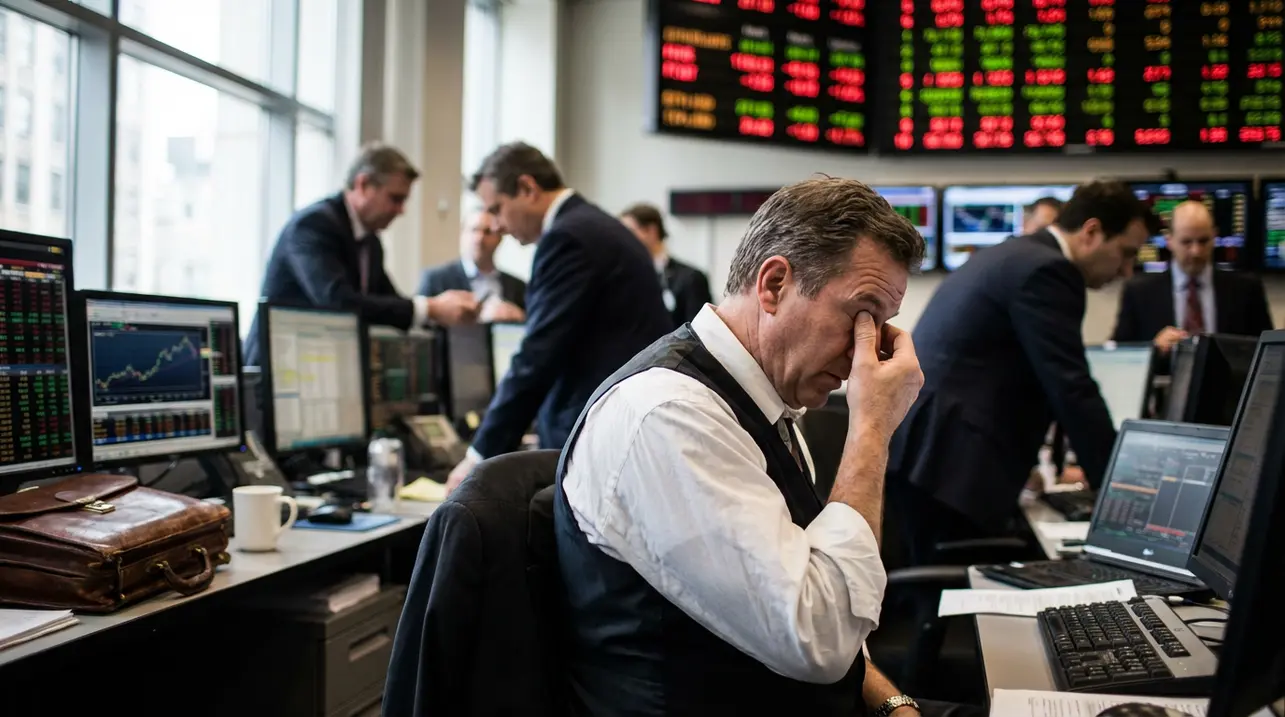
Markets move to price in rate hikes as inflation fears and geopolitics reshape Fed expectations

Outpoll Weekly Recap: Politics (March 23 – 29, 2026)

Outpoll Weekly Recap: Politics (March 16 – 22, 2026)
Outpoll Weekly Recap: Politics (March 9 – 15, 2026)

Outpoll Weekly Recap: Politics (March 2 – 8, 2026)
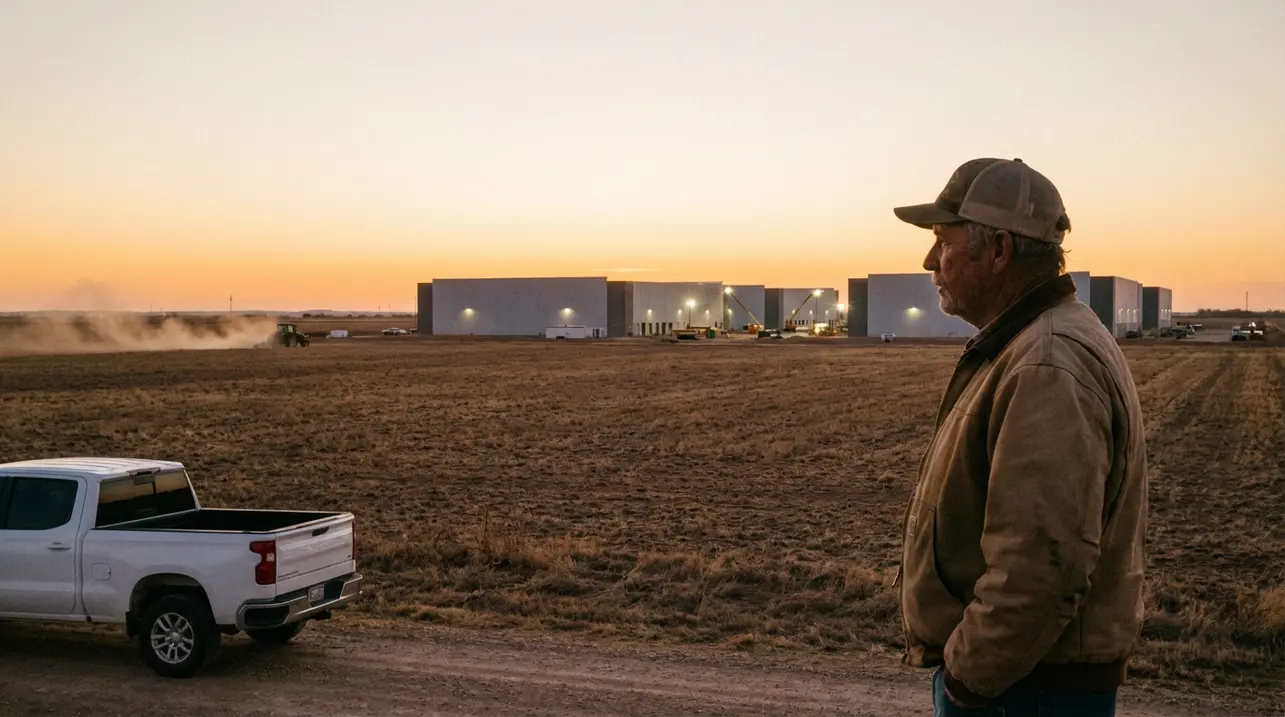
Texas GOP primary shows AI data center politics outweigh farmland concerns.
Outpoll Weekly Recap: Politics (February 23 – March 1, 2026)

Outpoll Weekly Recap: Politics (February 16 – 22, 2026)

Outpoll Weekly Recap: Politics (February 9 – 15, 2026)
Outpoll Weekly Recap: Politics (February 2 – 8, 2026)

Outpoll Weekly Recap: Politics (January 26 – February 1, 2026)

Outpoll Weekly Recap: Politics (January 19 – 25, 2026)

Green Party leader Zack Polanski on music, culture, and 2026 politics.
Outpoll Weekly Recap: Politics (January 12 – 18, 2026)
Outpoll Weekly Recap: Politics (January 5 – 11, 2026)
