PoliticsdiplomacyBilateral Relations
The Future of Global Geopolitics and Systemic Transformation
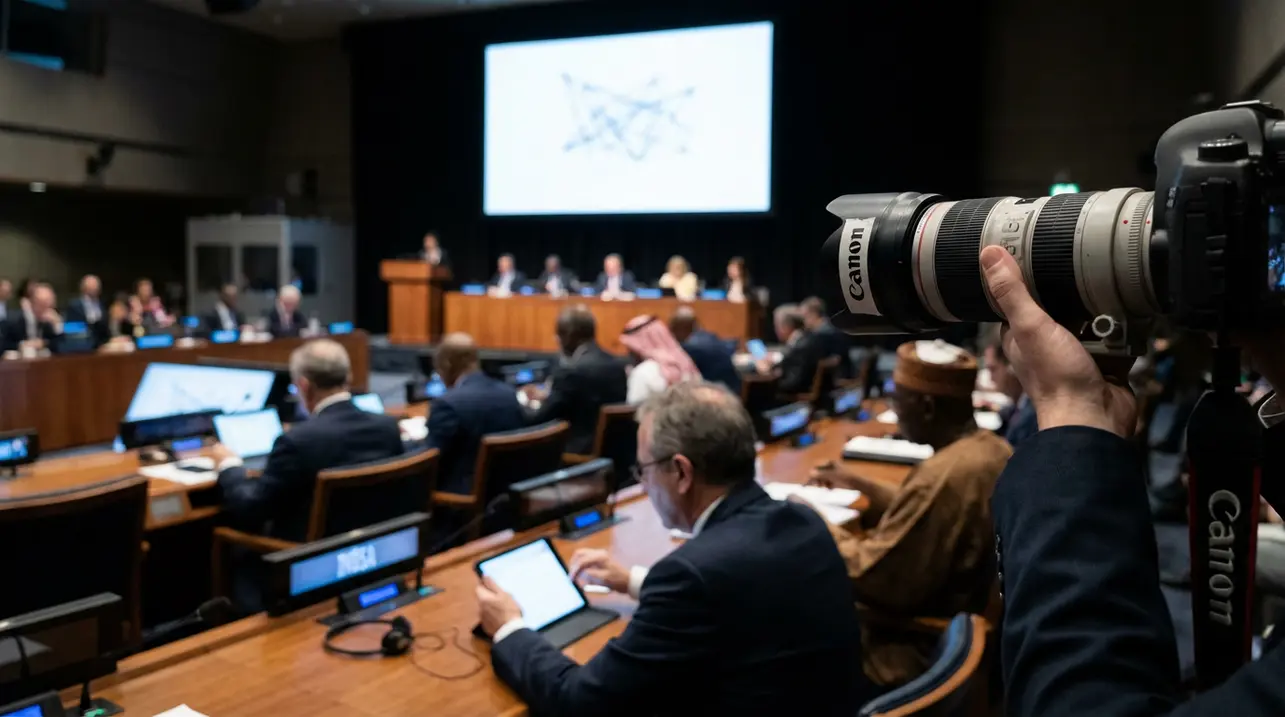
The term 'polycrisis' has become a fashionable shorthand in diplomatic and academic circles to describe the current global predicament—a dense knot of interconnected threats ranging from climate disruption and pandemics to economic fragmentation and great-power rivalry. Yet, as a veteran observer of the ebb and flow of international order, I find this descriptor ultimately insufficient.It paints a picture of passive victimhood, a world simply beset by external shocks, and in doing so, it dangerously obscures our own agency in both creating this labyrinth and, more importantly, in navigating a path out of it. History, from the Congress of Vienna to the post-World War II settlement, teaches us that profound disruption, while carrying acute and often catastrophic risks, also carves out rare apertures for systemic transformation.The real question before us is not merely how to manage the crises, but whether we possess the strategic foresight and political will to architect a new, more stable framework from the rubble of the old. The present moment bears an uncomfortable resemblance to the early 20th century's geopolitical shifts, where the failure of established institutions to adapt led to decades of conflict.Today, the pillars of the late-20th century liberal international order—the UN security architecture, the Bretton Woods financial system, even the norms of multilateral cooperation—are under unprecedented strain, challenged not only by revisionist powers like Russia and China but also by internal contradictions and a deficit of collective leadership in the West. This is not merely a 'crisis'; it is a systemic inflection point.Analysts at institutions like the International Crisis Group and the Carnegie Endowment warn that the compounding nature of these challenges creates a multiplier effect, where a flare-up in the Taiwan Strait can trigger energy and chip-supply crises, which in turn exacerbate inflation and social unrest in Europe and North America. However, within this volatility lies opportunity.The urgent need for coordinated action on global commons issues—such as climate change, AI governance, and pandemic preparedness—could, in theory, force a new pragmatism. We see nascent signs in forums like the G20, where despite deep divisions, there is a grudging recognition of shared fate.The transformation, if it comes, will not be a return to a unipolar 1990s nor a simple acceptance of a chaotic multipolarity. It may instead involve messy, ad-hoc coalitions of willing states and non-state actors building new rules around specific domains, a kind of 'minilateral' order.The risk, of course, is that nations retreat into zero-sum competition, weaponizing interdependence and fragmenting the world into hostile blocs—a scenario that thinkers like Henry Kissinger long warned against. The choice, therefore, is starkly human.
#featured
#global order
#geopolitics
#transformation
#polycrisis
#international relations
#future trends