

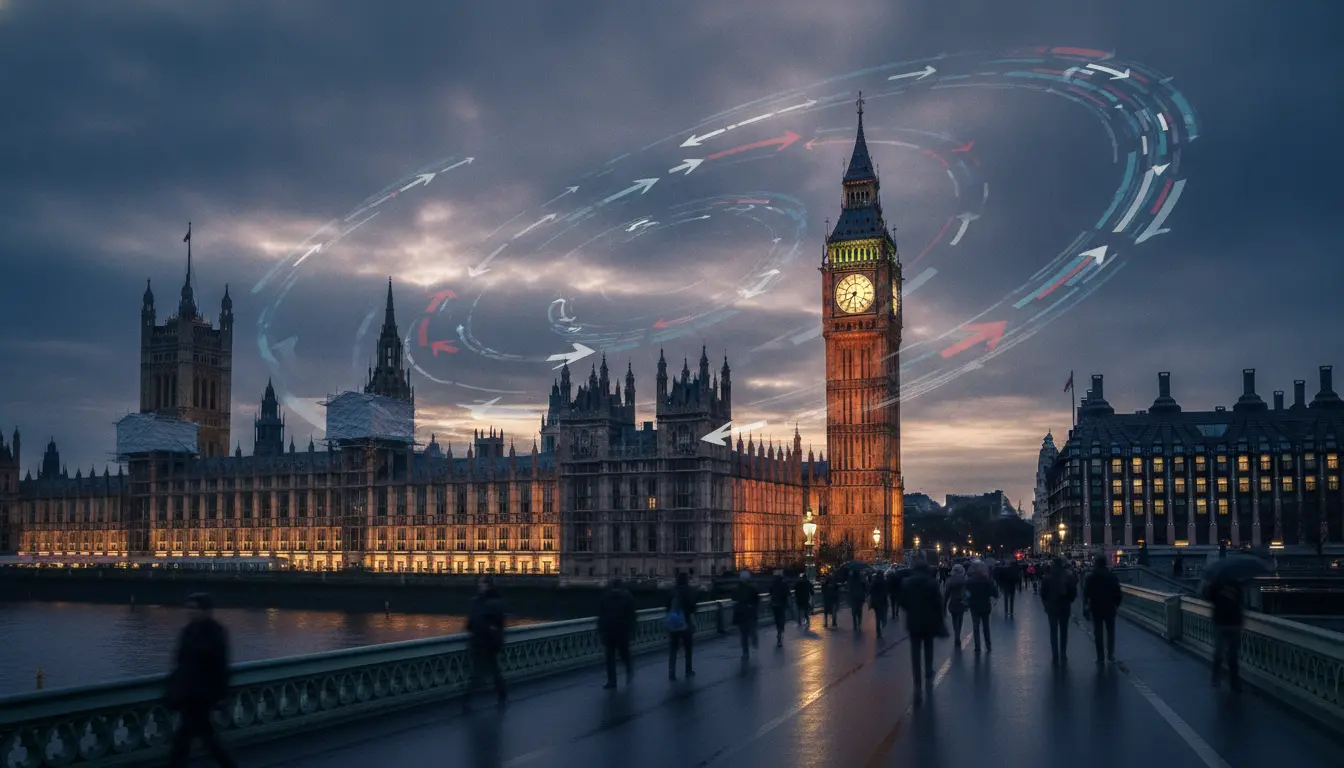
UK Political Landscape Gripped by General Election Timing Speculation
Westminster is currently consumed by intense speculation regarding the timing of the United Kingdom's next general election. With the current Conservative government legally required to face the electorate by late January 2025 at the absolute latest, Prime Minister Rishi Sunak holds the pivotal decision on when to call the vote, a choice that will profoundly shape the nation's political future for years to come. The prevailing sentiment among political observers and strategists points towards an election in 2024, with various dates being actively debated as parties prepare their campaigns for what is expected to be a fiercely contested battle for power.
Under UK law, the current Parliament must be dissolved by December 17, 2024, to allow for an election to take place by January 28, 2025. This statutory deadline provides the outer limit, but prime ministers historically prefer to exercise their prerogative to call an election at a time they deem most advantageous. While Sunak has hinted at a vote in the "second half of the year," he retains the flexibility to surprise both his opponents and, indeed, members of his own party. The decision is a high-stakes gamble, requiring careful consideration of economic indicators, public mood, legislative achievements, and the strategic positioning of the Conservative Party against a resurgent Labour opposition.
The political stakes for both major parties are extraordinarily high. For the Conservatives, led by Rishi Sunak, the challenge is formidable. After 14 years in power, marked by Brexit, the COVID-19 pandemic, and a series of leadership changes and scandals, the party faces significant headwinds. Recent national polls consistently place Labour with a substantial lead, often exceeding 20 percentage points. Sunak’s strategy appears to involve demonstrating economic stability, reducing inflation, and delivering on key promises, hoping to narrow Labour's advantage and perhaps even trigger a 'feel-good factor' before heading to the polls. A strong economic bounce-back could provide a crucial window of opportunity, but delays could also allow more time for Labour's policies to be scrutinised.
Conversely, the Labour Party, under Keir Starmer, is keenly aware that this election represents their best chance in over a decade to return to Downing Street. Having meticulously worked to shed its previous electoral baggage and present itself as a credible government-in-waiting, Labour is eager for an election. Starmer’s focus has been on economic competence, tackling the cost of living crisis, and reforming public services. The party's consistent lead in the polls fuels optimism, but they also face the pressure of meeting high public expectations and converting a polling advantage into a decisive parliamentary majority. The timing of the election will dictate their campaign's rhythm and allow them to refine their message to target voters.
Several factors will weigh heavily on the Prime Minister's decision. Economic performance, particularly inflation rates, interest rates, and employment figures, will be paramount. A sustained downturn or a renewed cost of living crunch could compel Sunak to delay, hoping for better conditions, or force an early election if he believes the situation will only worsen. Key legislative achievements, such as new bills on immigration or public services, could also provide platforms for a campaign launch. Geopolitical events, too, could unexpectedly alter the political landscape, potentially creating either a unifying moment or a distracting crisis. The desire to avoid a Christmas election or an election during school holidays might also play a role in narrowing down potential dates.
The electoral map itself presents a complex puzzle. The Conservatives are acutely aware of the need to retain seats in their traditional heartlands while also making inroads in working-class areas that switched allegiance in 2019. Labour, meanwhile, is targeting the 'Red Wall' seats it lost, as well as attempting to solidify its position in urban areas and among younger voters. The Liberal Democrats, led by Ed Davey, will be campaigning hard in their target seats, particularly in the South West and parts of the 'Blue Wall', aiming to capitalize on dissatisfaction with both major parties and potentially play a kingmaker role if the election results in a hung parliament.
Ultimately, the choice rests solely with Rishi Sunak, who must navigate a precarious political environment. His decision will be a finely calibrated assessment of risk and reward, aiming to maximize his party's chances against a backdrop of deep national challenges and a public eager for change. With the clock ticking towards the constitutional deadline, the UK political scene is set for a period of intense campaigning and strategic maneuvering, culminating in a general election that promises to be one of the most consequential in recent history. The specific day remains a closely guarded secret, but the certainty of a national ballot within the coming months casts a long shadow over all political activity in Westminster.
Stay Informed. Act Smarter.
Get weekly highlights, major headlines, and expert insights — then put your knowledge to work in our live prediction markets.
Related News
Donald Trump's Potential 2028 Presidential Bid Already Shaping Republican Landscape

Italian Prime Minister Giorgia Meloni Under Pressure to Clarify Stance on Future Alliance with Donald Trump
Age, Legal Woes, and Political Volatility Fuel Speculation Over Durability of a Potential Second Trump Term

Future of 'The Office' Spinoff 'The Paper' Hangs in Balance Ahead of Season 2 Debut
Sexual Assault Allegations Threaten Graham Platner's Maine Senate Campaign

Pope Leo XIV's General Remarks Seen as Implicit Critique of Donald Trump's Divisive Rhetoric
Coventry play champions Arsenal in Premier League opener
Hungary's Parliament Formally Accepts President Novák's Resignation Amid Pardon Scandal Fallout

US-Iran Tensions Escalate Sharply After Renewed Strikes and Trump's 'Ceasefire Over' Proclamation
Hungary Appoints New President as Orbán’s Party Scrambles to Contain Pardon Scandal Fallout