

- News
- Politics
- US-Iran Tensions Escalate Sharply After Renewed Strikes and Trump's 'Ceasefire Over' Proclamation
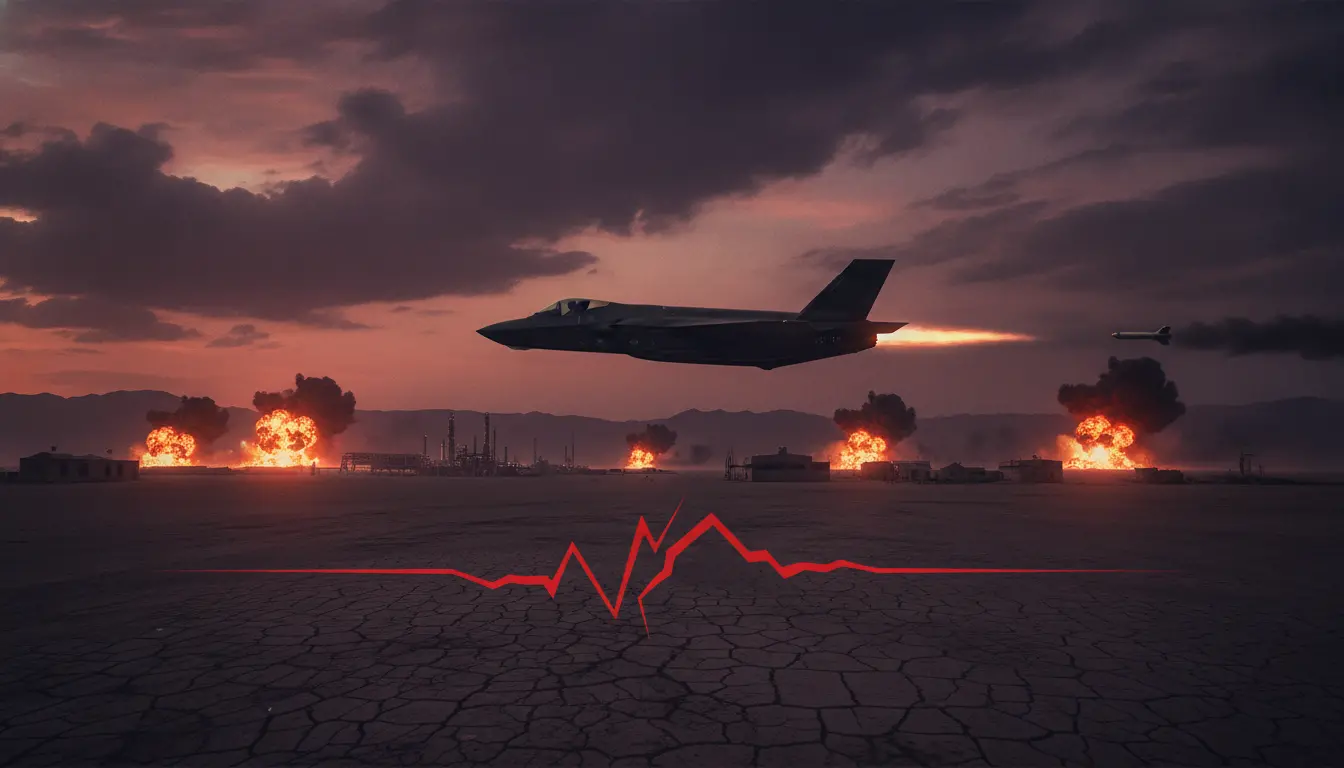
US-Iran Tensions Escalate Sharply After Renewed Strikes and Trump's 'Ceasefire Over' Proclamation
Tensions between the United States and Iran have surged to their most dangerous levels in years following a series of renewed American military strikes against Iran-linked targets and a stark declaration from former President Donald Trump that a fragile, unstated ceasefire is now “over.” The rapid escalation has dismantled recent de-escalatory efforts, sparking fears of a direct military confrontation that could destabilize the entire Middle East and send shockwaves through the global economy. Diplomatic channels have reportedly gone silent as both Washington and Tehran appear to be hardening their positions, with regional allies bracing for potential fallout.
The recent flare-up shatters a period of relative calm, which was maintained through quiet, back-channel diplomacy aimed at preventing the shadow war between the two adversaries from boiling over. This undeclared truce had seen a reduction in attacks by Iranian-backed militias on U.S. forces in Iraq and Syria. In return, Washington had reportedly eased the enforcement of some economic sanctions on Tehran. However, this delicate balance was predicated on mutual restraint, a foundation that has now crumbled. The historical context of this animosity is deep, rooted in decades of mistrust, the 2015 nuclear deal (JCPOA), its subsequent abandonment by the Trump administration, and the “maximum pressure” campaign that followed, leading to a cycle of retaliatory actions that have repeatedly brought the two nations to the brink of war.
The immediate trigger for the latest crisis was a sophisticated drone and rocket attack on a U.S. forward operating base in eastern Syria, which resulted in American casualties. U.S. intelligence quickly attributed the assault to Kata'ib Hezbollah, a powerful Iraqi militia with deep ties to Iran's Islamic Revolutionary Guard Corps (IRGC). The American response was swift and decisive. U.S. warplanes conducted multiple retaliatory airstrikes not only on the militia’s facilities in Syria and Iraq but also on what Pentagon officials described as an IRGC logistics and command hub inside Iran-allied territory. This move represented a significant escalation, moving beyond targeting proxies to striking assets more directly connected to the Iranian state apparatus.
Amplifying the military actions, former President Trump issued a statement through his social media platform, employing characteristically blunt language. “The weak and ineffective ceasefire with Iran is over,” he proclaimed, adding that any further aggression from Tehran or its proxies would be met with “overwhelming and disproportionate force.” While Trump is not currently in office, his voice continues to hold significant sway over a large segment of the American political landscape and is seen by many in Tehran as a bellwether for future U.S. policy. Iranian officials responded with fury, with the Foreign Ministry condemning the “American adventurism” and warning that Iran reserved the right to a “crushing response” to defend its sovereignty and interests. Hardline media outlets in Tehran have since been filled with calls for retaliation.
The reverberations are being felt across the region and beyond. Israel, which has long viewed Iran’s nuclear program and regional influence as an existential threat, has reportedly placed its military on high alert. Gulf Arab states, while wary of a full-blown conflict on their doorstep, are privately urging Washington to maintain a firm line. Meanwhile, global powers like China, Russia, and the European Union are calling for immediate de-escalation. Their appeals, however, may fall on deaf ears in a climate of heightened suspicion and military posturing. The primary concern for the international community is the potential for a miscalculation by either side, where a limited strike could trigger an unstoppable escalatory spiral.
What hangs in the balance is not just the stability of the Middle East, but also the security of global energy supplies. A direct conflict would almost certainly see Iran attempt to close the Strait of Hormuz, a critical chokepoint through which a significant portion of the world's oil transits. The economic consequences of such a move would be catastrophic, leading to an immediate and sustained spike in energy prices that could tip a fragile global economy into recession. While a formal declaration of war by the U.S. Congress remains a constitutional high bar and is considered unlikely by most analysts, the current trajectory points toward a more intense and overt undeclared conflict, fought with drones, missiles, and covert operations—a dangerous new chapter in a long and bitter rivalry.
Stay Informed. Act Smarter.
Get weekly highlights, major headlines, and expert insights — then put your knowledge to work in our live prediction markets.
Related News

Italian Foreign Minister's US Trip Halted Amid Meloni-Trump Photo Row
Trump insults Meloni again amid spat over G7 photo claims

Trump's 'Begged for Photo' Claim Continues to Stir Diplomatic Fallout with Italy

Pope Leo XIV's General Remarks Seen as Implicit Critique of Donald Trump's Divisive Rhetoric
Age, Legal Woes, and Political Volatility Fuel Speculation Over Durability of a Potential Second Trump Term
Italy’s top diplomat nixes US trip after Meloni says Trump fabricated story

Italian Prime Minister Giorgia Meloni Under Pressure to Clarify Stance on Future Alliance with Donald Trump
Donald Trump's Potential 2028 Presidential Bid Already Shaping Republican Landscape
Ankara's F-35 Ambitions Grounded by Lingering S-400 Dispute with Washington
Hungary Appoints New President as Orbán’s Party Scrambles to Contain Pardon Scandal Fallout