Politicsgovernments & cabinetsLeadership Transitions
Sanae Takaichi's Popularity as Japan's Thatcher Tested
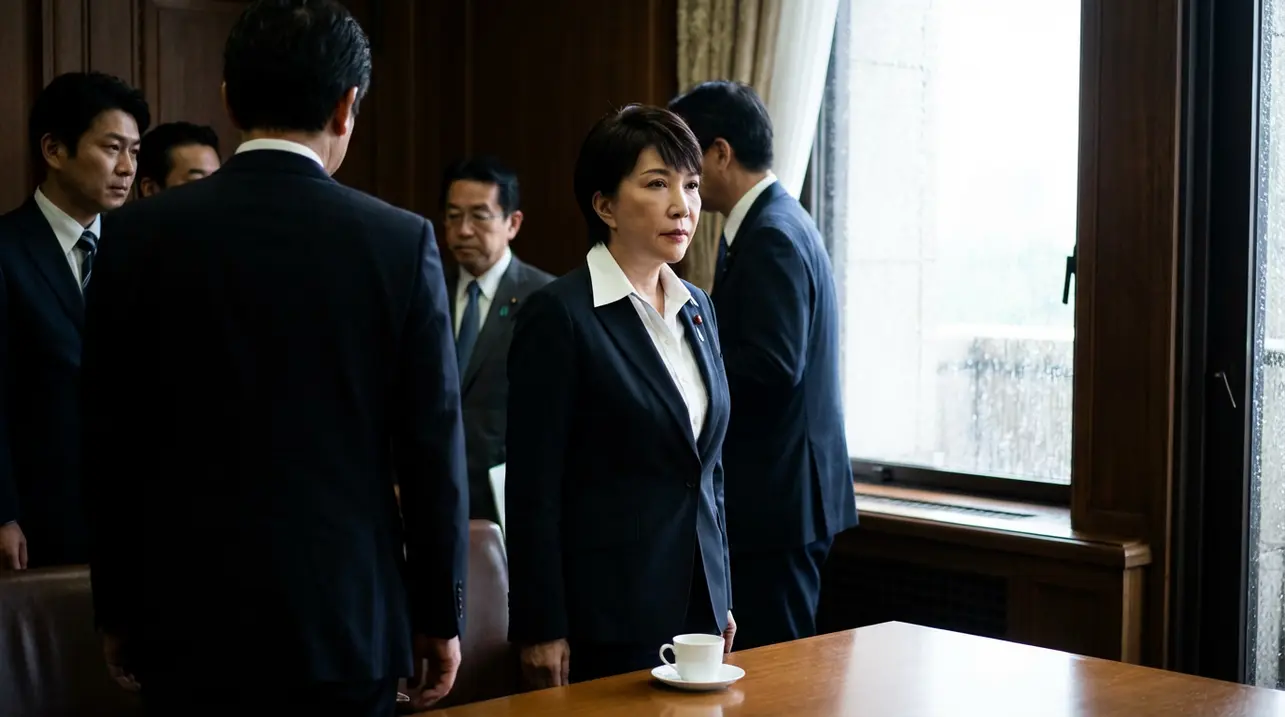
Japan’s political landscape, a theatre long accustomed to the swift rise and fall of its leading actors, has presented a compelling new act with the premiership of Sanae Takaichi. When she ascended to the role in October, the prevailing wisdom in Tokyo’s corridors of power and among international observers was one of familiar, cautious scepticism.The nation has seen a revolving door of leaders, with few managing to imprint a lasting vision or command a stable mandate. Yet, as we move deeper into her tenure, Takaichi is methodically defying those low expectations, demonstrating a political resilience that demands a closer, more analytical look.Her strategy appears to be one of calculated consolidation, directly addressing the fissures that appeared within her own Liberal Democratic Party’s traditional base. The July election had sounded a clear alarm; a notable segment of voters, disillusioned or feeling unheard, had drifted toward far-right factions like the anti-immigrant Sanseito party.This was not merely a protest vote but a signal of deeper socio-political currents at play, reminiscent of populist shifts witnessed in other mature democracies. Takaichi’s response has been to subtly but firmly reclaim that ground, not by outright mimicking the rhetoric of the fringe, but by reframing core nationalist and economic stability messages within the LDP’s historic framework, thereby offering a ‘safer’ harbour for those voters without alienating the party’s centre.Her approach invites comparison to historical figures who have taken the helm during periods of fragmentation, such as Margaret Thatcher, whose moniker she has been cautiously assigned by some commentators. The ‘Thatcher’ label is a double-edged sword, evoking both transformative, conviction-driven leadership and profound societal division.For Takaichi, the test lies in navigating Japan’s unique constraints: a pacifist constitution under review, a demographic time bomb requiring immigration debates, and an economy perennially battling deflationary pressures. Her early moves suggest a leader more focused on shoring up domestic political capital than on launching immediate, radical revolutions.She has spent political capital carefully, focusing on party unity and reinforcing the LDP’s institutional strength, a lesson perhaps learned from the short-lived premierships of her immediate predecessors. Expert commentary from seasoned analysts like Tobias Harris of the Center for Strategic and International Studies often highlights that longevity in Japanese politics is less about charisma and more about meticulous factional management and avoiding unforced errors.Takaichi, with her deep roots within the party’s conservative wing, seems to be playing this longer game adeptly. The broader context, however, extends beyond domestic politicking.
#featured
#Sanae Takaichi
#Japan
#Liberal Democratic Party
#premiership
#China relations
#political stability
#approval ratings