

- News
- Politics
- Kennedy Center Board Faces Renewed Scrutiny Over Proposal to Name Facilities After Donald Trump
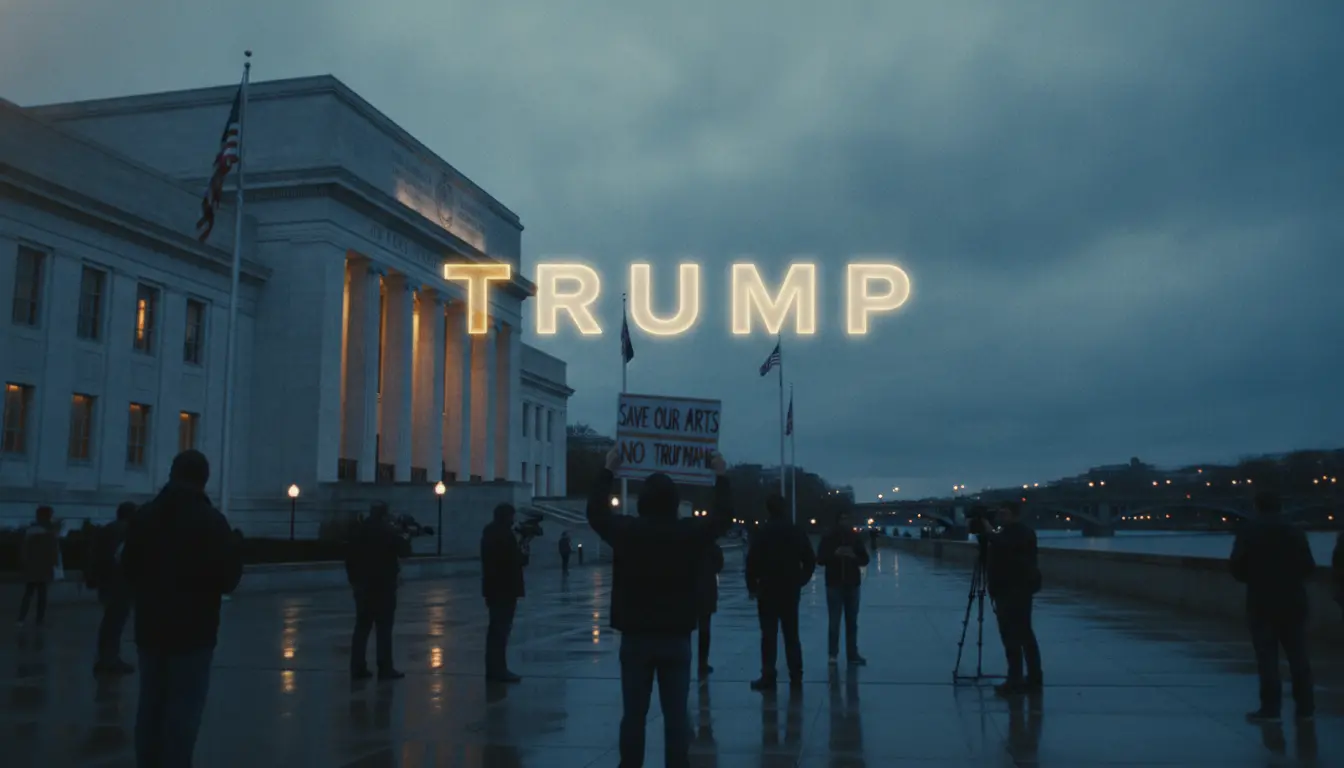
Kennedy Center Board Faces Renewed Scrutiny Over Proposal to Name Facilities After Donald Trump
Washington D.C. finds itself at the epicenter of a renewed cultural and political debate as reports surface indicating that the Kennedy Center Board is once again considering naming a portion of its iconic building after former President Donald Trump. This development, tied to ongoing renovation plans for the main facility, reignites a contentious discussion that has previously pitted political factions and the arts community against each other, underscoring the complexities of presidential legacies and their public commemoration within national institutions.
The John F. Kennedy Center for the Performing Arts, a living memorial to the 35th President, holds a unique position in American cultural life. As the nation's performing arts center, it hosts world-class performances and educational programs, funded by both federal appropriations and private donations. The concept of honoring a former president by naming a theater or section of the Center is not unprecedented; the Eisenhower Theater, for example, pays tribute to President Dwight D. Eisenhower. However, past proposals to associate Trump's name with the institution have met with significant opposition, primarily due to his polarizing presidency and perceived contentious relationship with the arts and cultural sectors during his time in office.
Discussions around recognizing Donald Trump at the Kennedy Center first emerged during his presidency. Republican members of Congress had initially pushed for the Eisenhower Theater to be renamed in his honor, a move that quickly drew strong criticism from Democratic lawmakers and a broad coalition of arts advocates. Opponents argued that such a renaming would politicize a revered non-partisan cultural landmark and alienate a significant portion of its audience and supporters. These earlier efforts ultimately stalled, with the Kennedy Center leadership indicating it would not proceed with renaming the Eisenhower Theater, thus seemingly putting the matter to rest.
The current reports suggest a fresh consideration of the proposal, potentially linked to broader renovation initiatives for the main building. While the specifics of the new plan or the exact facilities under discussion remain subject to detailed confirmation, the mere re-emergence of the topic has already triggered concern among stakeholders. Advocates for the proposal often cite a tradition of honoring former presidents, regardless of their political alignment, and argue that recognizing Trump would be a continuation of this practice, reflective of his time in the nation's highest office. This perspective often emphasizes national unity and respect for the office of the presidency.
Conversely, those opposed emphasize the profound impact of a president's actions and rhetoric on the national consciousness and the cultural landscape. They contend that the Kennedy Center, as a symbol of artistic freedom and expression, must carefully consider how such naming decisions reflect its values and mission. For many, Trump’s policies and public statements regarding arts funding, immigration, and diversity were at odds with the inclusive spirit of the performing arts. A decision to append his name, critics argue, could be seen as an endorsement or normalization that could deter artists, patrons, and even government support if it alienates key constituencies.
The board’s renewed deliberation places it in a delicate and scrutinized position. Any move to add Trump's name back to the building would likely ignite a fresh wave of public debate, potentially impacting the Center's fundraising efforts, its relationships with artists and philanthropists, and its overall public image. The challenge lies in balancing the desire to acknowledge past presidencies with the need to uphold the institution’s artistic integrity and appeal to a diverse national audience. The outcome of these discussions will not only shape the physical landscape of the Kennedy Center but also send a significant message about how national cultural institutions navigate contemporary political divisions and historical legacies.
The decision carries considerable weight, far beyond a simple change of nomenclature. It reflects ongoing tensions within American society regarding national identity, political polarization, and the role of cultural institutions in commemorating leadership. As the Kennedy Center proceeds with its renovation plans, the fate of this naming proposal will undoubtedly remain a focal point of discussion, watched closely by political observers, the arts community, and the broader public, eager to see how this esteemed institution navigates such a charged contemporary issue.
Stay Informed. Act Smarter.
Get weekly highlights, major headlines, and expert insights — then put your knowledge to work in our live prediction markets.
Related News
Trump's 'Project 2025' Puts Kennedy Center and Other Cultural Institutions in Crosshairs
Donald Trump Under Consideration to Headline Mount Rushmore 'America 250' Celebrations
Trump says 'multiple arrests' made at Reflecting Pool amid vandalism claims
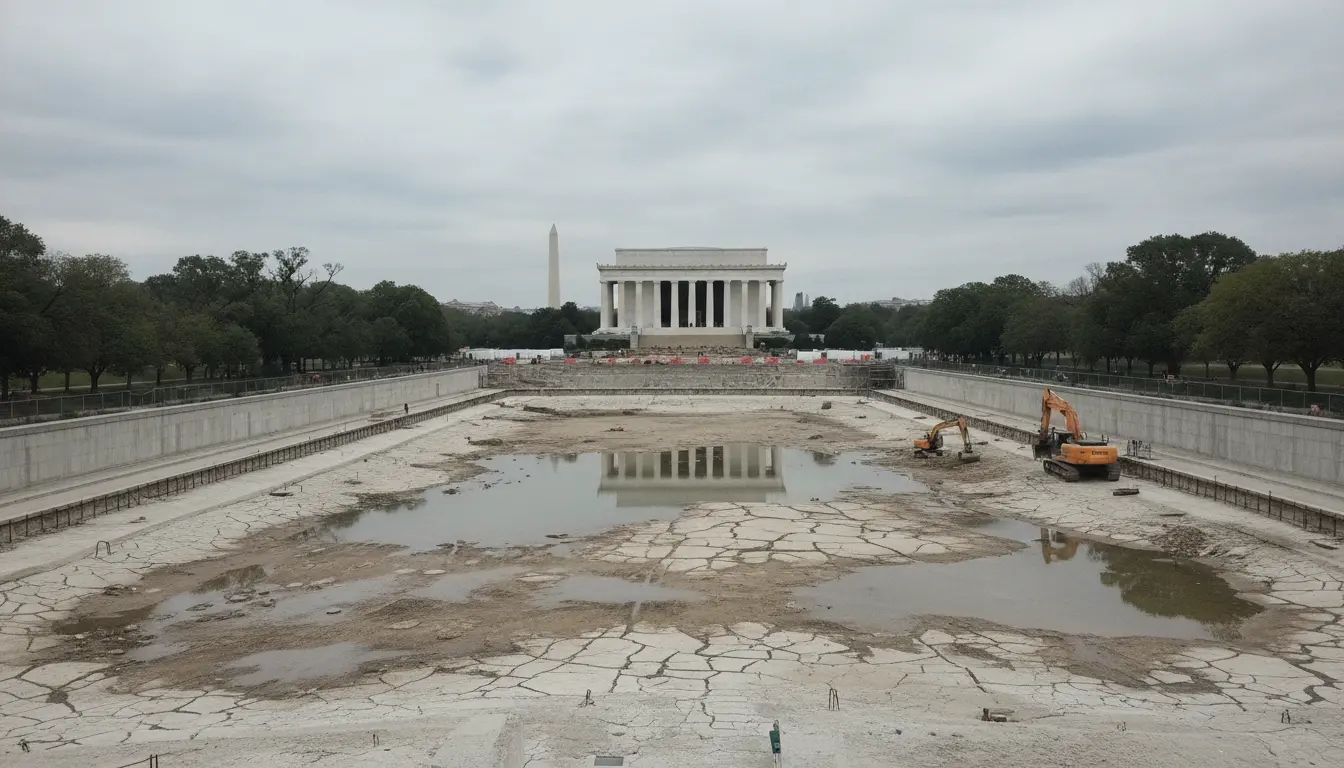
Trump says Lincoln Memorial Reflecting Pool will 'probably' be drained for repairs

Donald Trump Unveils Plans for Major Renovation of East Potomac Links Golf Course in Washington D.C.

Intensifying Political and Legal Battles Renew Impeachment Speculation for Donald Trump
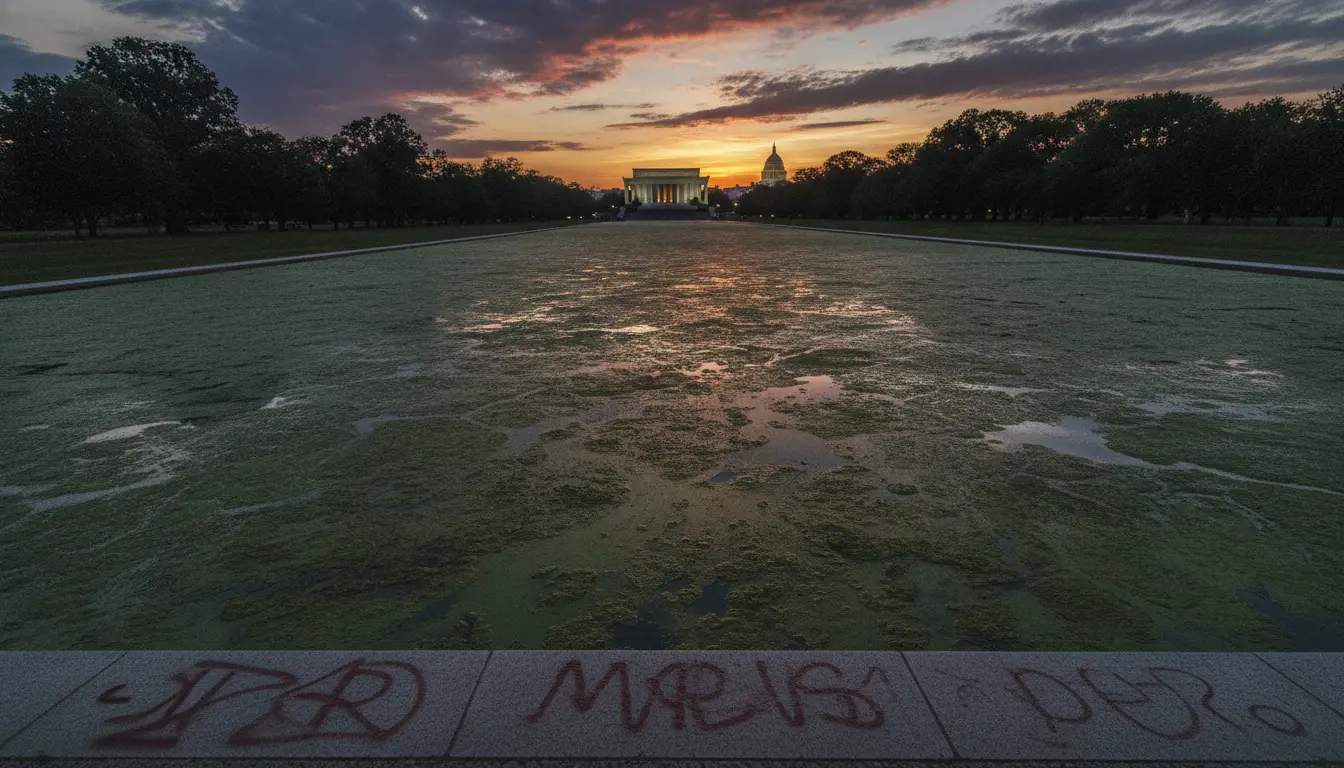
Trump says Lincoln Memorial Reflecting Pool was vandalized, defends response to algae bloom
Barack and Michelle Obama Decry Trumpism in Rousing Presidential Center Speeches
Donald Trump's Approval Ratings Face Key Test Following High-Profile Public Engagements Ahead of Mid-2026 Assessment

Concerns Over US Political Dynamics Cloud Zelensky's Potential NATO Summit Address in Ankara