

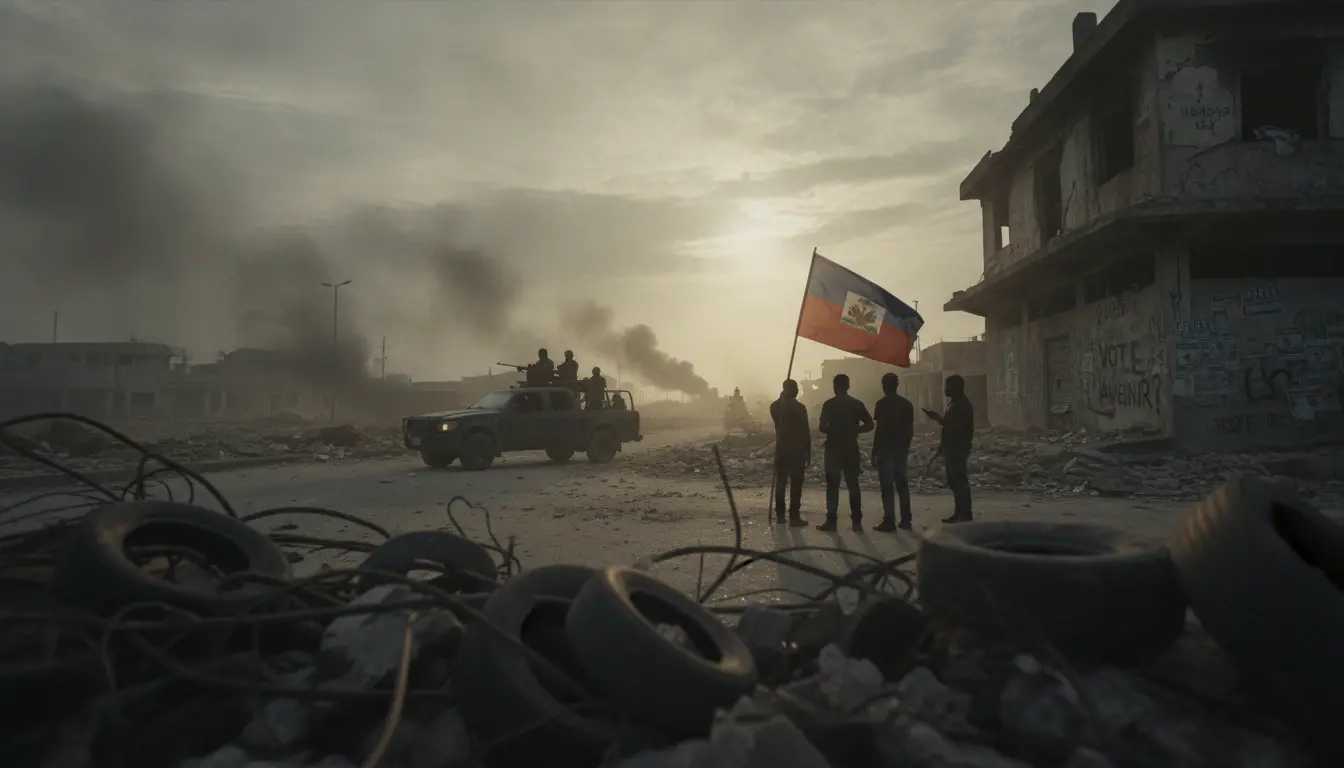
Haiti Grapples with Electoral Future Amid Deepening Security Crisis Ahead of 2026 Vote
Haiti is bracing for a monumental challenge as it navigates the path toward a general election scheduled for August 30, 2026, which will include the critical first round of its presidential race. The impoverished Caribbean nation finds itself at a profound political and humanitarian crossroads, with pervasive gang violence, a crippled state apparatus, and a transitional government striving to restore a semblance of order. The upcoming election represents a fragile hope for democratic renewal, yet the immense hurdles to ensure a free, fair, and secure process loom large against a backdrop of unprecedented instability.
For years, Haiti has been mired in a multifaceted crisis, exacerbated by the assassination of President Jovenel Moïse in July 2021. His death plunged the country into a power vacuum, deepening an already acute political dysfunction. The subsequent rise of heavily armed gangs, particularly in the capital Port-au-Prince, has seen vast swathes of the city fall under their control. These criminal groups, often with loose political affiliations, have terrorized the population, engaging in kidnappings, extortion, and widespread violence, pushing the state to the brink of collapse. Essential services, from healthcare to education, have been severely disrupted, and humanitarian organizations struggle to deliver aid to those most in need, with an estimated 1.6 million Haitians facing acute food insecurity.
The task of organizing a nationwide election under such conditions presents an almost insurmountable logistical and security nightmare. Voter registration, candidate campaigning, and the establishment of secure polling stations require a level of state authority and control that is currently non-existent in many areas. Furthermore, ensuring the safety of voters and electoral staff from gang intimidation or violence will be paramount, demanding a robust security presence far beyond the current capacity of Haiti's beleaguered national police. The very legitimacy of any electoral outcome hinges on the perception that the process was free from coercion and manipulation, a standard that will be extraordinarily difficult to meet given the pervasive lawlessness.
Recently, an internationally backed transitional presidential council was inaugurated, tasked with charting a course toward stability and the eventual restoration of democratic institutions. This council's mandate includes appointing a provisional prime minister, forming an inclusive government, and critically, preparing the groundwork for elections. However, the council itself faces internal divisions and public skepticism, reflecting the deep-seated distrust in political leadership that has long plagued Haiti. The success of this transitional body is inextricably linked to its ability to make tangible progress on security, a prerequisite for any meaningful political transition.
International efforts to assist Haiti have gained renewed urgency, notably with the proposed deployment of a Kenya-led multinational security support mission. This mission, authorized by the UN Security Council, aims to bolster the Haitian National Police in their fight against gangs. Yet, the deployment has faced delays and legal challenges, underscoring the complexities of external intervention in a nation with a troubled history of foreign involvement. While such a force is seen as crucial to creating a more secure environment, its effectiveness and impact on the electoral timeline remain to be seen.
The 2026 election, therefore, is not merely a contest for political office; it is a profound test of Haiti's capacity to reclaim its sovereignty and forge a path away from chaos. The stakes are incredibly high: a successful, credible election could provide a much-needed mandate for a legitimate government to begin the arduous work of national reconstruction, institutional reform, and economic recovery. Conversely, a flawed or failed electoral process risks further entrenching instability, deepening the humanitarian crisis, and potentially pushing Haiti into an even more precarious future. The coming months will determine whether the nation can lay the essential groundwork for a vote that truly reflects the will of its people and begins to heal its profound wounds.
Stay Informed. Act Smarter.
Get weekly highlights, major headlines, and expert insights — then put your knowledge to work in our live prediction markets.
Related News

Michigan Republicans Eye Open Field, Strategic Battles Ahead of 2026 Gubernatorial Primary

Global Temperatures Poised to Exceed Critical 1.5°C Warming Threshold by 2026

Apple Readies Foldable iPhone for Potential 2026 Unveiling Amid Industry Scrutiny

Apple Gears Up for Major AI Integration with iPhone 18 Series Launch in 2026

France Finalizes Landmark Legislation to Ban Children Under 15 from Social Media Platforms

Outpoll Weekly Recap: Science (August 10 – 16, 2026)

MLS 2026 Season Outlook: Inter Miami, LA Galaxy, FC Cincinnati Emerge as Early Title Favorites
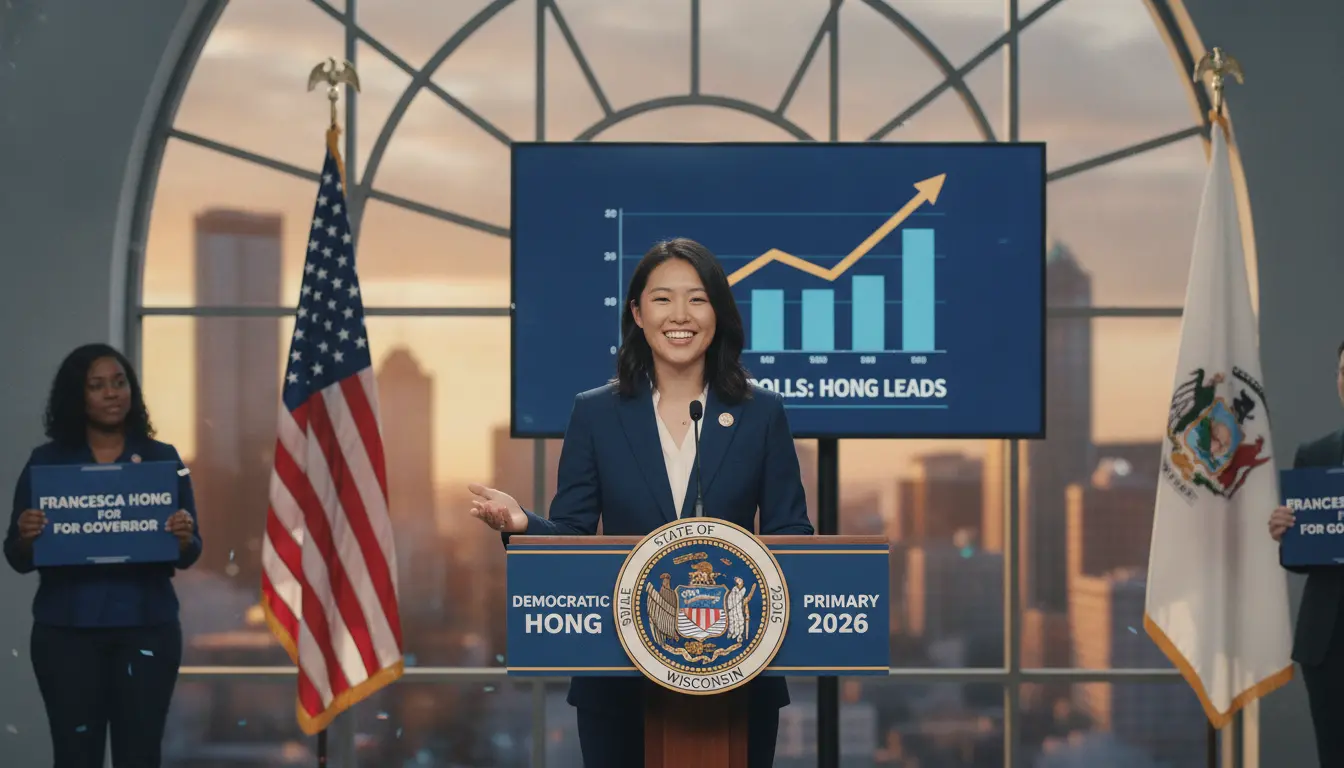
Francesca Hong Takes Early Lead in Wisconsin's 2026 Democratic Gubernatorial Primary

Google Prepares to Unveil Pixel 11 Series with Anticipated Camera Innovations in August 2026

Premier League Titans Prepare for Fierce 2026/27 Title Race