Otherlaw & courtsHuman Rights Cases
Aging Asia's Need for Domestic Helpers Raises Safety Concerns
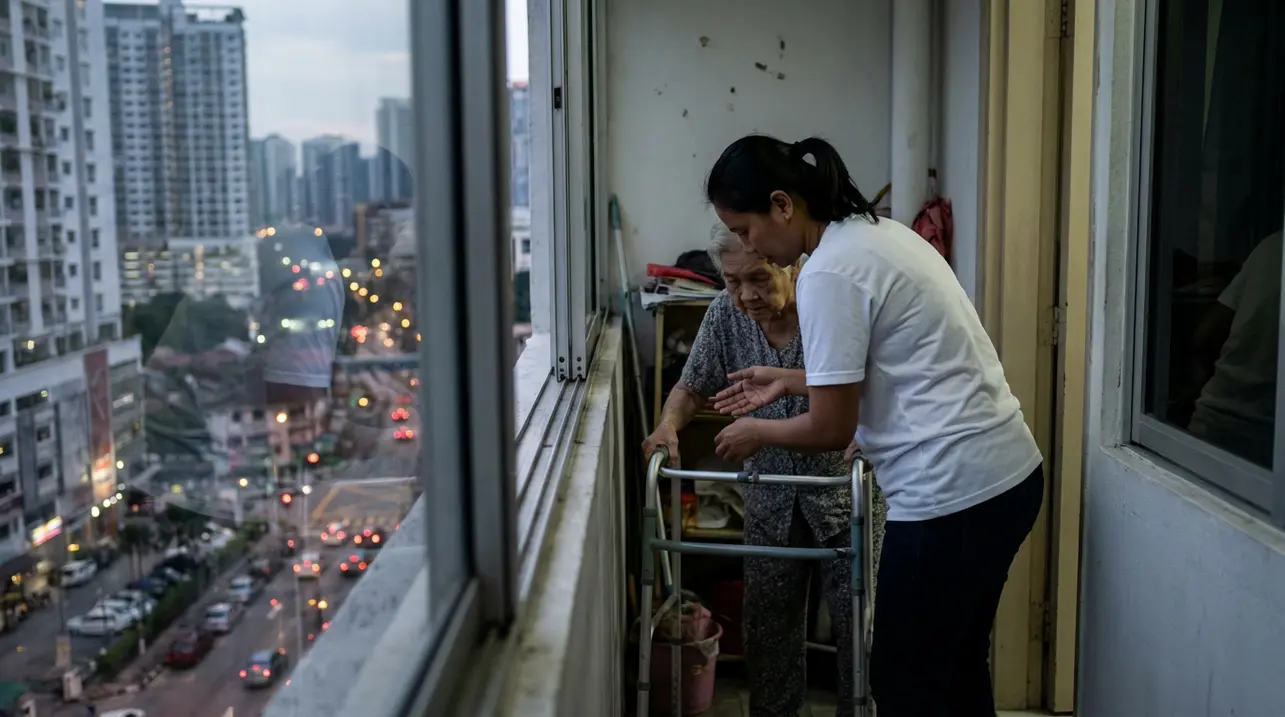
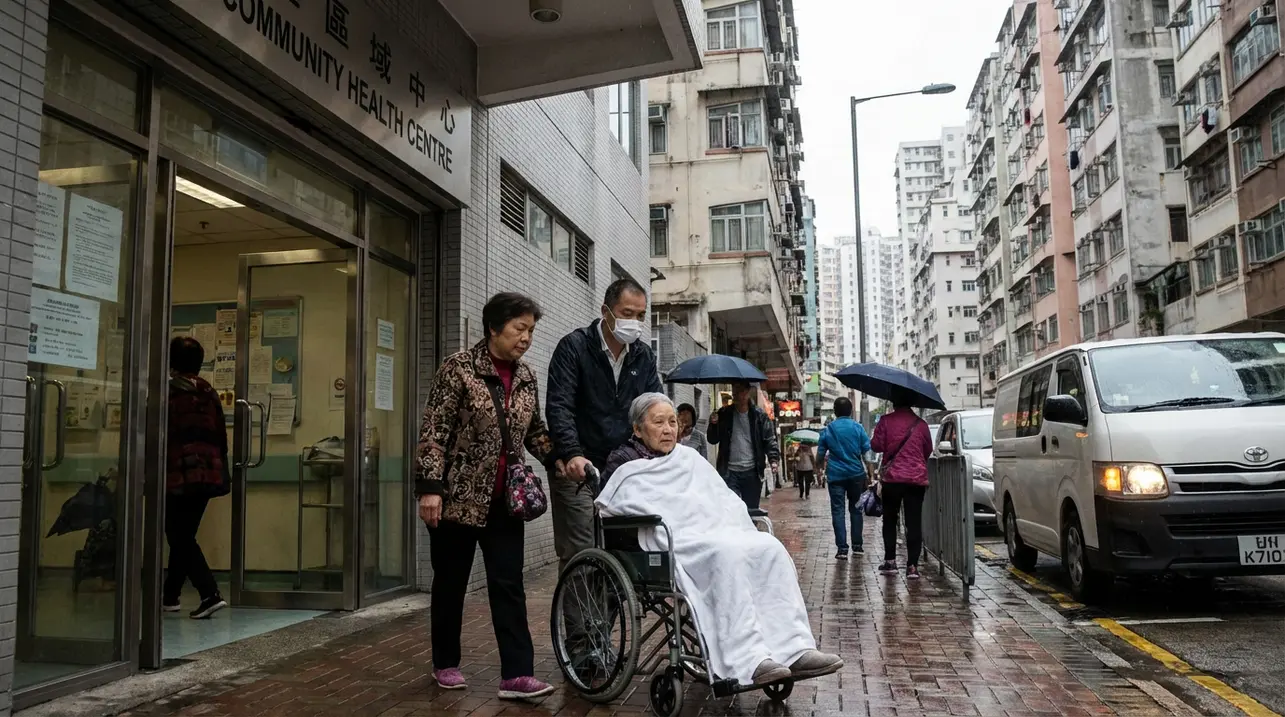
When Erica Cheong and Harris Zainol welcomed their son Isaac in Kuala Lumpur last March, they joined a growing, silent revolution reshaping households across Asia. Like countless dual-income couples in the city, they found themselves adrift in the beautiful, exhausting chaos of new parenthood, their support networks frayed by distance, age, or the relentless demands of modern work.Their solution, turning to a live-in domestic helper, was a practical decision born of necessity, a story echoed from Singapore’s high-rises to Hong Kong’s dense urban cores. Yet, this deeply personal choice sits at the heart of a profound societal dilemma for an aging Asia, where soaring demand for care is colliding with persistent, systemic vulnerabilities in the very systems designed to provide it.The narrative of Cheong and Zainol is not merely one of familial logistics; it is a microcosm of a region grappling with a care deficit. Plummeting birth rates and rapidly aging populations, particularly in economic powerhouses like Japan, South Korea, and China, have created a perfect storm.The traditional model of multi-generational cohabitation and elder care by daughters or daughters-in-law is buckling under the weight of urbanization, smaller family sizes, and shifting gender roles. This has spawned a massive, and often informal, migration corridor, drawing millions of women from the Philippines, Indonesia, Myanmar, and Nepal to fill the gap, providing not just childcare but essential support for the elderly and disabled.Their labor is the invisible glue holding together the dual-income households that fuel Asia’s economies. However, this reliance raises urgent safety concerns that cut both ways.For employers like the Cheongs, there is the anxiety of inviting a stranger into the most intimate spaces of family life, a leap of faith underscored by sporadic but harrowing news reports of abuse or negligence. Conversely, and far more commonly, the helpers themselves operate in a precarious landscape.Isolated in private homes, they often fall outside the robust protections of standard labor laws, vulnerable to exploitation, excessive working hours, withheld wages, and even physical or psychological abuse. Their legal status is frequently tied to a single employer, creating a power imbalance that can silence grievances.This isn't a new story, but its scale is unprecedented. Countries like Singapore and Hong Kong have attempted to regulate the industry with mandatory rest days, standard contracts, and minimum wage provisions, yet enforcement remains a challenge, and loopholes abound.The 'live-in' requirement itself is a double-edged sword, offering shelter but also erasing the boundary between workplace and home, making round-the-clock expectations the grim norm. Expert commentary points to a systemic failure to value care work as skilled labor, perpetuating its perception as a low-cost convenience rather than a professional service essential to social infrastructure.
#domestic workers
#migrant labor
#safety
#Asia
#aging population
#labor rights
#featured