Scienceearth scienceOceanography
Scientists stunned by a massive hydrothermal field off Greece
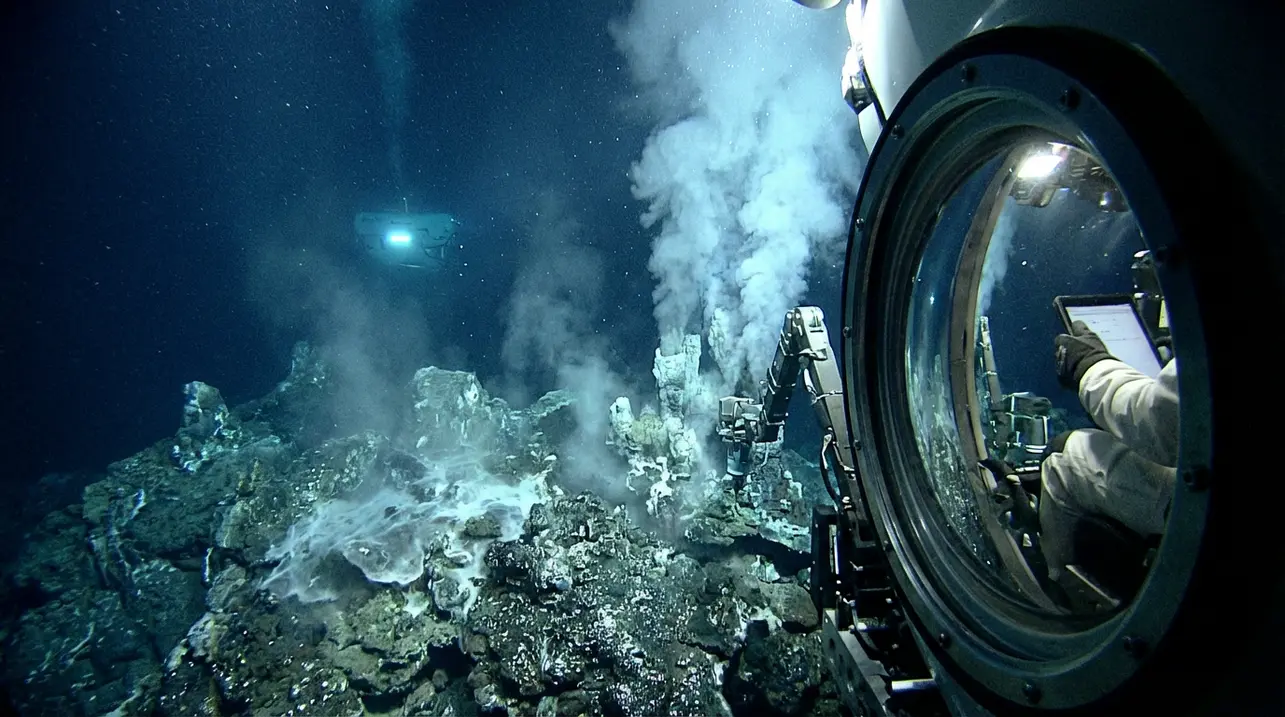
In a revelation that has sent shockwaves through the marine geology community, a team of intrepid researchers has mapped a colossal and previously hidden hydrothermal field sprawling across the seafloor near the volcanic island of Milos, Greece. This isn't just another cluster of vents; it's a sprawling, dynamic metropolis of geological activity, discovered along active fault lines that slice through the Aegean Sea floor like subterranean highways.These fractures are far more than static scars; they act as superhighways for superheated, mineral-laden fluids, bleeding from Earth's restless interior and creating a stunning underwater landscape of chimneys, mounds, and shimmering pools. The sheer visual diversity stunned the scientists during their deep-sea dives, where they witnessed fluids boiling at the seabed under immense pressure—a phenomenon more commonly associated with the abyssal plains of the Pacific—and vast, vibrant carpets of microbial mats thriving in the chemical-rich darkness, painting the ocean floor in hues of orange, white, and gold.This transforms Milos from a picturesque Cycladic island into arguably the Mediterranean's most significant natural laboratory for probing the planet's churning heart, offering a rare, accessible window into processes that usually unfold in the profound darkness of the deep ocean. To grasp the magnitude of this find, one must understand the Mediterranean's geological context: it is a shrinking sea, a remnant of the ancient Tethys Ocean, caught in the colossal tectonic vise between the African plate grinding northward against Eurasia.This relentless convergence creates a network of faults and volcanic arcs, with the Hellenic Volcanic Arc—of which Milos is a part—being a particularly active segment. Hydrothermal activity here was suspected, given the island's famed hot springs and volcanic history, but the scale and intensity of this offshore field have surpassed all expectations.It suggests that the fluid circulation systems driven by the region's magmatic heat are far more extensive and vigorous than models predicted, potentially acting as a significant, previously unaccounted-for transfer mechanism for heat and chemicals from the mantle into the ocean. The implications cascade across multiple scientific disciplines.For biologists, these vents are oases of life in the deep, supporting unique chemosynthetic ecosystems where microbes, not sunlight, form the base of the food web. The discovery of lush microbial communities here raises profound questions about the origin and distribution of life in extreme environments, and whether the sheltered, sun-drenched Mediterranean could harbor endemic vent species distinct from their Atlantic or Pacific cousins.For geochemists, the field is a natural refinery, where hot fluids leach metals from the bedrock and precipitate them as rich sulfide deposits, offering clues to the formation of ancient ore bodies now found on land. Furthermore, the vent fluids are a direct chemical probe into sub-seafloor processes, their composition whispering secrets about water-rock interactions and even the presence of magma chambers at depth.
#lead focus news
#hydrothermal vents
#underwater discovery
#Milos Greece
#marine geology
#microbial mats
#Mediterranean Sea