ScienceneuroscienceMemory and Learning
The science of how and when we decide to speak out or self-censor.
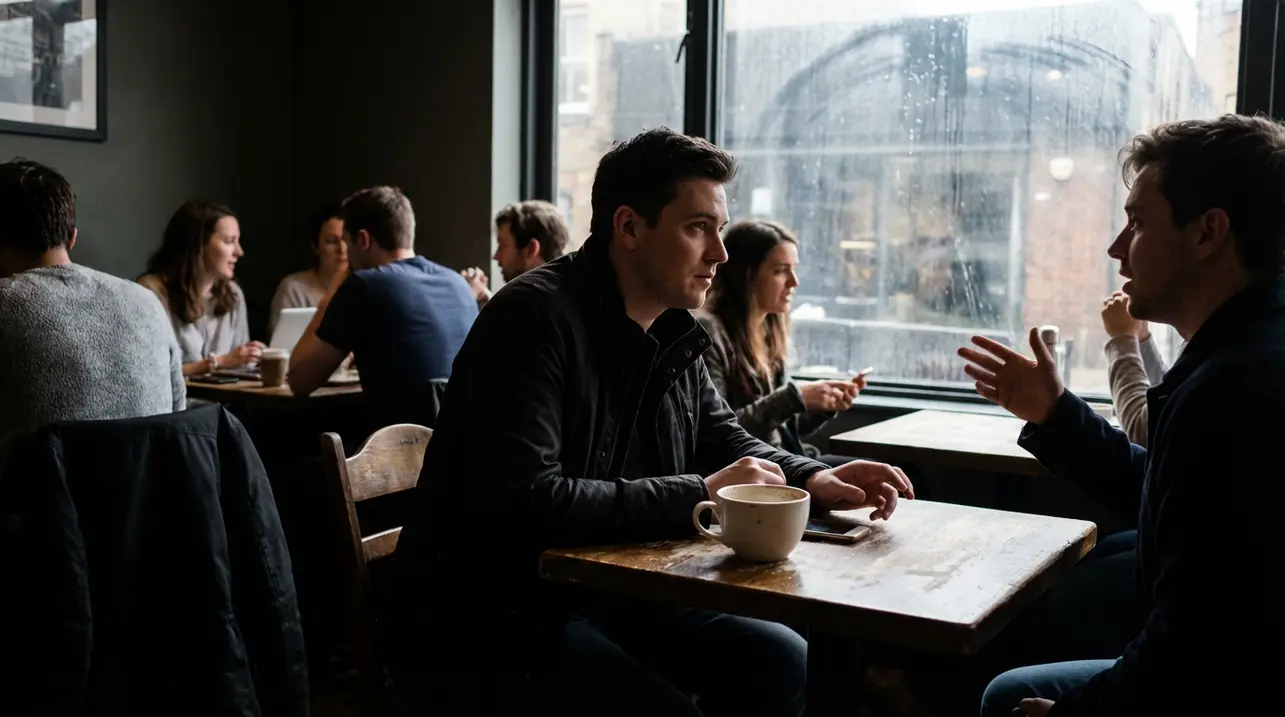
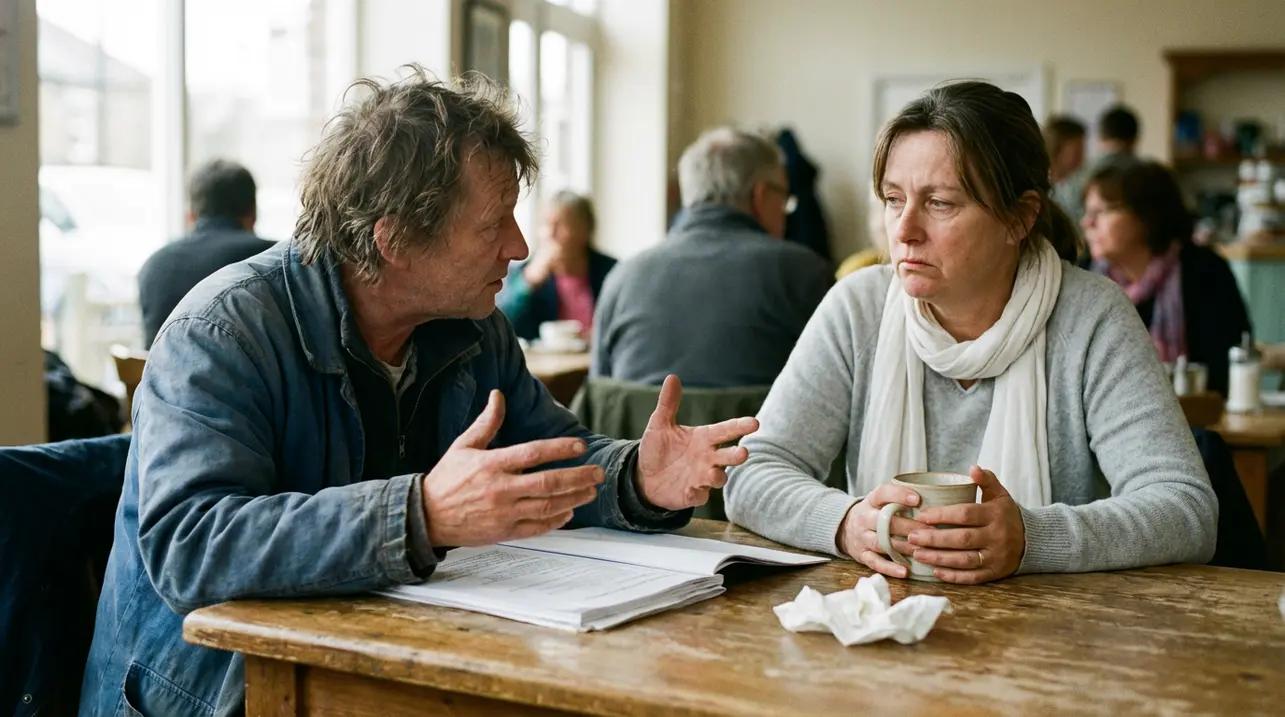
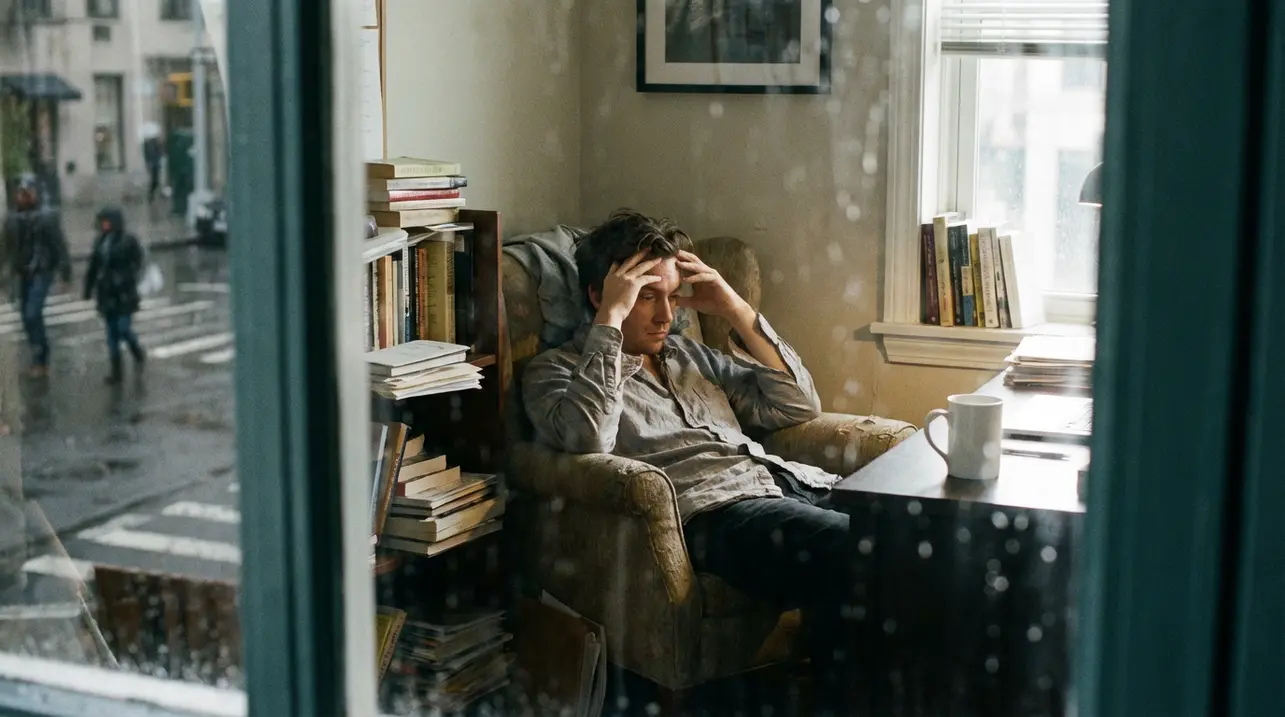
The study’s conclusion, a simple directive to 'Be bold. It is the thing that slows down authoritarian creep,' lands not as a dry academic finding but as a profound whisper about the architecture of our daily lives.It speaks to the quiet calculus we all perform in the split-second before we speak up in a meeting, before we challenge a relative’s offensive remark at the dinner table, or before we decide to simply nod and scroll past a troubling post online. This science of self-censorship versus speaking out is less about grand political manifestos and more about the micro-moments of courage that collectively define a society’s character.I’ve spent countless hours interviewing people from all walks of life—teachers, baristas, software engineers, retirees—and the pattern is hauntingly consistent. The decision to stay silent is rarely born of apathy.It’s a complex, often painful, risk assessment. There’s the fear of social ostracization, the very human dread of being the awkward voice that disrupts the harmony, the calculation of professional repercussions that could affect one’s livelihood, and the exhausting emotional labor of engaging in a debate that feels predetermined.One woman, a mid-level manager at a tech firm, described it to me as a 'constant, low-grade hum of anxiety,' a background process running in her mind that evaluates every potential comment for its safety and utility. The study she referenced, likely drawing from work in social psychology and political science, puts a framework around this universal experience, suggesting that this individual hesitation, when aggregated across millions, creates the fertile ground for authoritarian tendencies to take root unchallenged.History offers a grim ledger of this phenomenon. We look back at periods of creeping authoritarianism, from the early days of fascist regimes to the gradual erosion of civil liberties in various nations, and we wonder how ordinary people could have allowed it.The answer often lies not in sudden, dramatic complicity, but in a thousand small surrenders, a daily chipping away where speaking out felt increasingly costly, futile, or dangerous until the space for dissent simply vanished. The researchers’ imperative to 'be bold' is therefore not a call for reckless confrontation, but for a conscious recalibration of that internal risk calculator.It’s about recognizing that the personal cost of speaking—the momentary discomfort, the potential argument—is almost always dwarfed by the societal cost of collective silence. This is where the study moves from the theoretical to the deeply practical.Being bold can look like the college student respectfully questioning a professor’s biased assertion, the employee proposing an alternative, more ethical process in a boardroom, or the neighbor calling out a casually bigoted joke. These are the antibodies of a healthy democracy.Expert commentary in this field often highlights the 'spiral of silence' theory, where individuals perceive their dissenting view to be in the minority and thus suppress it, which in turn makes the prevailing view seem even more dominant—a vicious, self-fulfilling cycle. Breaking this spiral requires what one sociologist I spoke to called 'pluralistic ignorance'—the realization that many others likely share your private concerns but are also waiting for someone else to speak first.The consequences of ignoring this science are stark: we get politics driven by the loudest, most extreme voices, workplaces where innovation is stifled by groupthink, and communities where underlying tensions fester because no one dares to name them. Conversely, the act of voicing a thoughtful dissent, even if it’s uncomfortable, does two powerful things.It signals to others that they are not alone, potentially unlocking a wave of suppressed agreement, and it reinforces, in the speaker themselves, the muscle memory of moral courage. It’s a habit, and like any habit, it strengthens with practice. The study’s real insight, then, is that protecting our freedoms is not a passive act of preservation but an active, daily practice of participation, one awkward, bold conversation at a time.
#editorial picks news
#neuroscience
#decision-making
#speech
#self-censorship
#authoritarianism
#social psychology
#research