Politicshuman rightsRefugees and Migration
Refugee homelessness in UK has more than doubled in two years, charity says
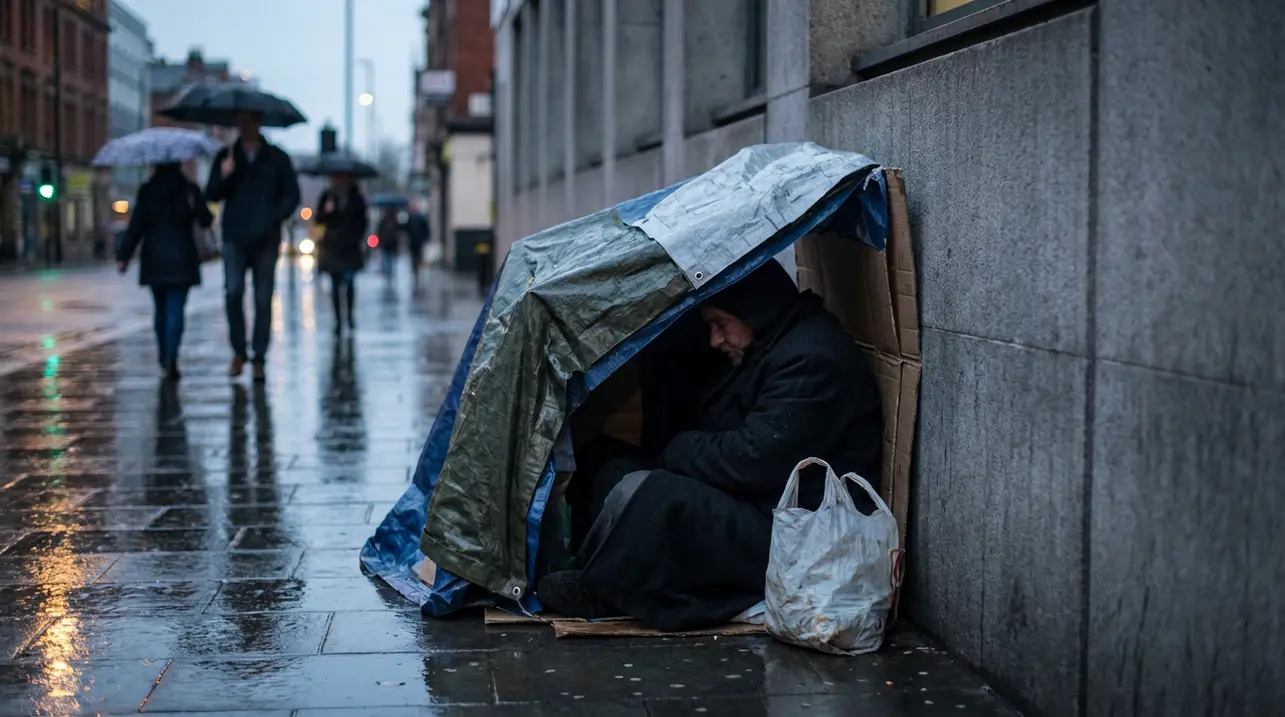
The stark figures from Naccom, a national network of over 140 frontline organisations, paint a picture of a system buckling under its own weight: while they managed to provide a record 4,434 refugees and migrants with accommodation in the 2024-25 period, they were forced to turn away another 3,450 due to a lack of capacity. This isn't merely a statistic; it's a human crisis, one that has seen refugee homelessness in the UK more than double in just two years.To understand this alarming surge, we must look beyond the numbers and into the labyrinth of recent government policy, a landscape characterised by what the charity describes as 'near-constant' changes that have created a perfect storm of bureaucratic exclusion and destitution. The introduction of eVisas stands as a particularly poignant example of a well-intentioned digital transition gone awry, effectively locking some of the most vulnerable out of the very support networks designed to catch them.Without a physical document to present, individuals granted leave to remain find themselves in a Kafkaesque limbo, unable to prove their status to landlords, employers, or local authorities, rendering their hard-won legal recognition almost meaningless in practical terms. This policy friction intersects catastrophically with the pre-existing housing shortage and the cost-of-living crisis, pushing people who have already endured unimaginable journeys from temporary asylum accommodation directly onto the streets or into the volatile realm of sofa-surfing.The personal impact is devastating—families fractured, mental health eroded, and the fragile foundation of a new beginning shattered before it can even be laid. From a feminist and social policy perspective, this crisis disproportionately impacts women and children, who face heightened risks of exploitation and violence when left without secure housing, undermining any professed commitment to safeguarding.Historically, we've seen similar patterns emerge when immigration policy is designed in isolation from social welfare infrastructure, creating a sub-class of individuals with rights on paper but no means to exercise them. Expert voices from housing charities and migrant rights groups have long warned that the accelerated eviction of asylum seekers from Home Office accommodation upon a positive decision, without a guaranteed bridge to stable housing, was a recipe for disaster.The consequences of this failure are not contained; they ripple outward, straining local council services, overwhelming voluntary sector resources like those of Naccom's members, and ultimately costing the public purse more in emergency health and social interventions than a preventative, integrated approach ever would. It raises profound questions about the UK's commitment to the spirit of international protection: is sanctuary merely about allowing someone to stay, or is it about providing the fundamental tools—a safe home, a chance to work, a community—to rebuild a life? The current trajectory suggests a policy framework more concerned with borders than with integration, with headlines than with human outcomes. Without a decisive shift towards stability, coordination, and, crucially, compassion in policy design, this doubled homelessness figure risks being not a peak, but a tragic new baseline.
#lead focus news
#refugee homelessness
#UK
#Naccom
#government policy
#eVisas
#housing crisis
#charities