Politicsprotests & movements
Green Transition's Hidden Cost: Mining Boom Fuels Ecological and Human Rights Crises
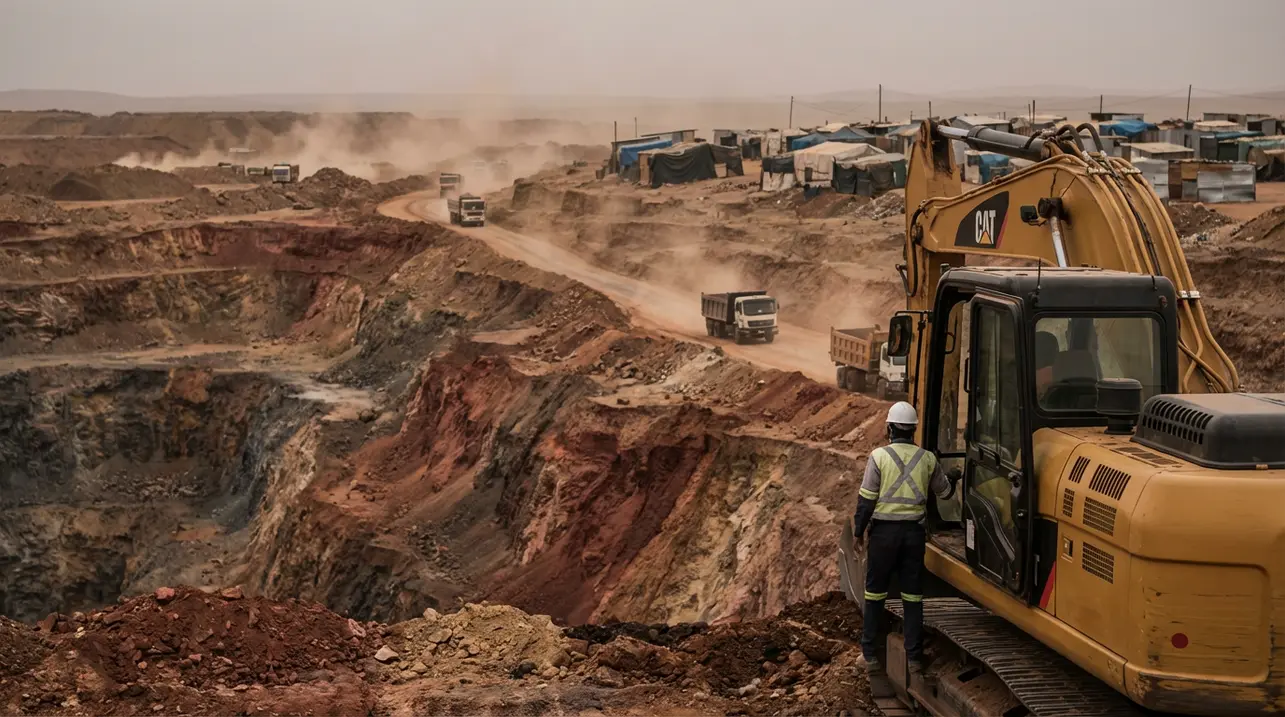
The global scramble for lithium, cobalt, nickel, and rare earth elements is exposing a stark contradiction at the heart of the green energy transition. As nations prioritize securing these critical minerals for batteries and renewable tech, a wave of deregulation is gutting environmental safeguards, triggering a cascade of ecological damage and human rights abuses from South America to Southeast Asia.Framed as a climate imperative, this unchecked extraction risks creating new sacrifice zones while failing to address the root causes of resource overconsumption. In Indonesia, the breakneck development of nickel mines for electric vehicle batteries is poisoning rivers with toxic runoff, clear-cutting rainforests, and forcibly displacing Indigenous communities.Across the Lithium Triangle of Chile, Argentina, and Bolivia, industrial-scale brine extraction is depleting ancient aquifers in arid regions, directly jeopardizing the water and livelihoods of local farmers. This pattern underscores a profound human rights crisis, where the rights to water, a healthy environment, and community consent are routinely violated in the name of progress.The dominant industry narrative—that we can mine our way to sustainability—is a dangerous fallacy, critics argue. It overlooks the finite nature of resources and the planet's limited capacity to absorb concentrated industrial harm.Analysts point to a long history of extractive industries externalizing costs onto the poor and vulnerable, a cycle now repeating under a green banner. United Nations experts and environmental justice advocates insist that without stringent, enforceable international standards—mandating thorough impact assessments, genuine community participation, and guaranteed mine rehabilitation—the world risks replacing the climate crisis with an equally dire crisis of ecosystem collapse and social injustice.The solution, they contend, requires a two-pronged approach: drastically reducing demand through material efficiency, recycling, and circular economy models, while governing mineral extraction through robust treaties that treat these resources as global commons with attached ecological and social responsibilities. Without this fundamental shift, the clean energy future may be built upon a legacy of ruin and inequality, an outcome that would betray its very purpose.
#environmental protection
#mining
#critical minerals
#human rights
#social divides
#ecosystems
#editorial picks news