Politicsprotests & movements
Global Mining Rush Threatens Environment and Human Rights
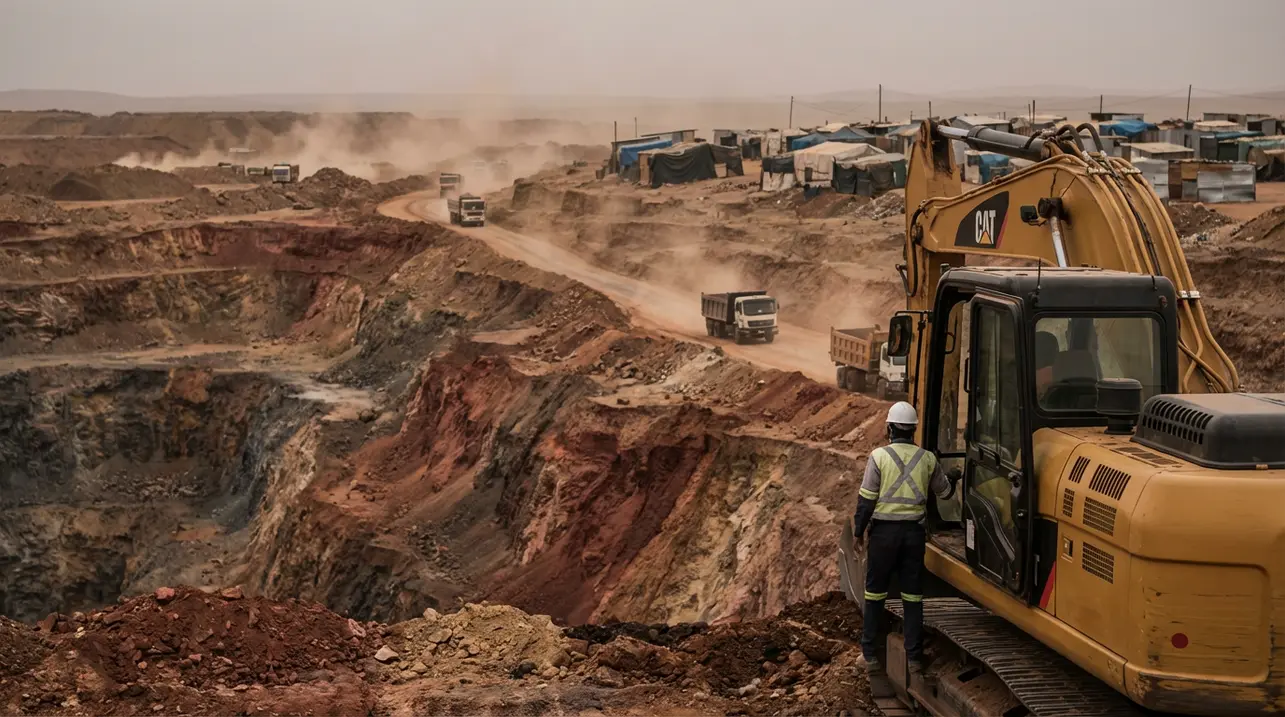
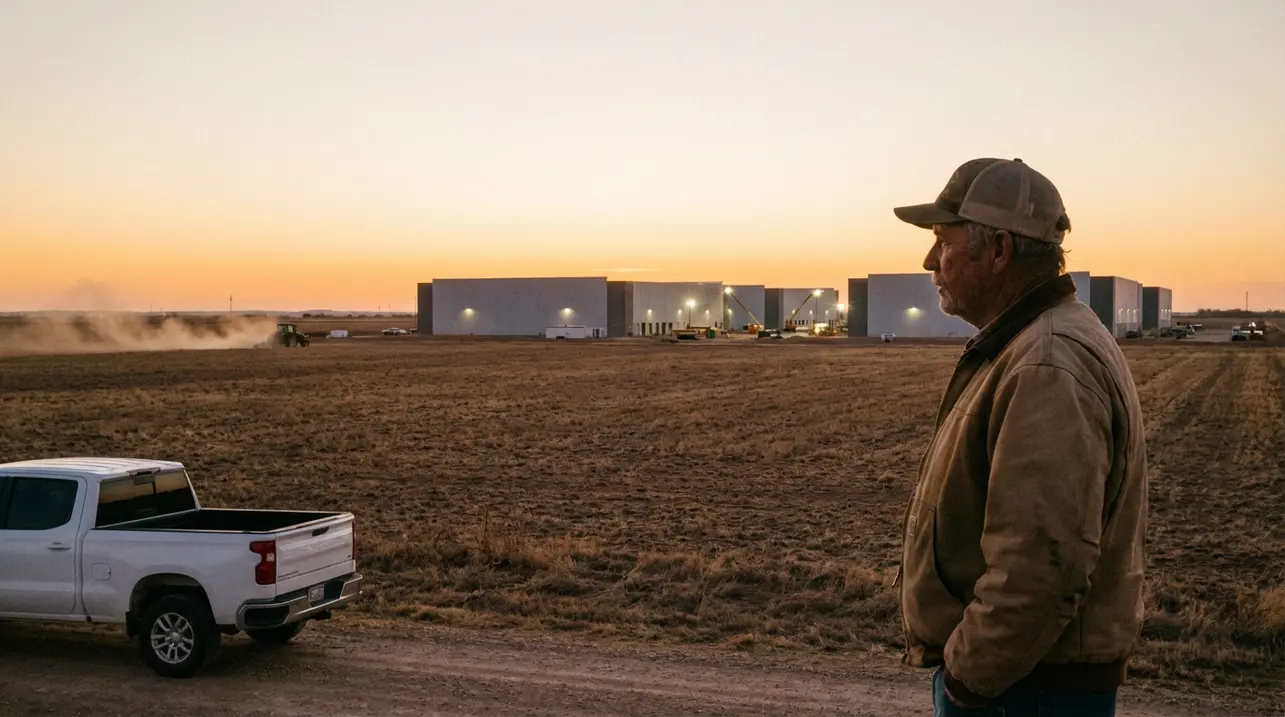
The global race for the critical minerals powering our green transition—lithium for electric vehicle batteries, cobalt for smartphones, rare earth elements for wind turbines—is accelerating at a devastating ecological and human cost. This isn't a distant, abstract issue; it's a tangible crisis unfolding from the lithium-rich salt flats of the Atacama Desert in Chile to the cobalt mines of the Democratic Republic of Congo, where the very act of extracting these materials is tearing apart landscapes and communities.Governments, in a bid for economic supremacy and energy security, are systematically rolling back decades of hard-won environmental protections to fast-track new mining projects, creating a dangerous regulatory vacuum. In Indonesia, the epicenter of nickel production, vast swathes of rainforest are being cleared and coastal ecosystems poisoned by processing waste, all to feed the insatiable demand for battery components.Similarly, in the Peruvian Andes, copper mining expansions threaten glacial water sources that entire regions depend upon, pitting multinational corporations against indigenous populations in protracted, often violent, conflicts over land and water rights. This scramble is deepening profound social divides, disproportionately impacting marginalized and indigenous communities who bear the brunt of pollution and displacement while reaping few of the economic benefits, a modern form of resource colonialism dressed in the guise of progress.The irony is stark: the technologies marketed as solutions to our climate crisis are, in their manufacture, fueling a parallel crisis of biodiversity loss and human rights abuses. The science is unequivocal; these ecosystems are not merely scenic backdrops but vital, interconnected systems that regulate climate, purify water, and support life.When we degrade the Amazon to mine for copper or drain aquifers in arid regions for lithium extraction, we are not just causing local harm—we are destabilizing planetary systems. Expert voices from organizations like the UN Environment Programme and frontline environmental defenders warn that without a fundamental shift, this path is unsustainable.The solution is not merely better mining practices, though robust, transparent, and legally enforceable international rules are non-negotiable to prevent the worst abuses. The core imperative, often ignored in boardrooms and policy circles, is a systemic reduction in consumption and a relentless push towards a genuine circular economy.We must design products for longevity, repairability, and recycling, moving beyond the extractive 'take-make-dispose' model. The long-term harm we risk is intergenerational: poisoned rivers, eradicated species, and communities shattered by inequality.Protecting basic human rights—to clean water, a healthy environment, and self-determination—is not incompatible with technological advancement; it is its essential foundation. The choice before us is clear: continue this frenzied rush and manage an escalating series of ecological and social collapses, or embrace a more sober, intelligent model of stewardship that values both the minerals beneath the ground and the irreplaceable world above it.
#environmental protection
#mining
#critical minerals
#human rights
#social divides
#ecosystems
#regulation
#consumption
#editorial picks news