Can weakening human rights ever protect them? Labour’s gamble raises fears on the left
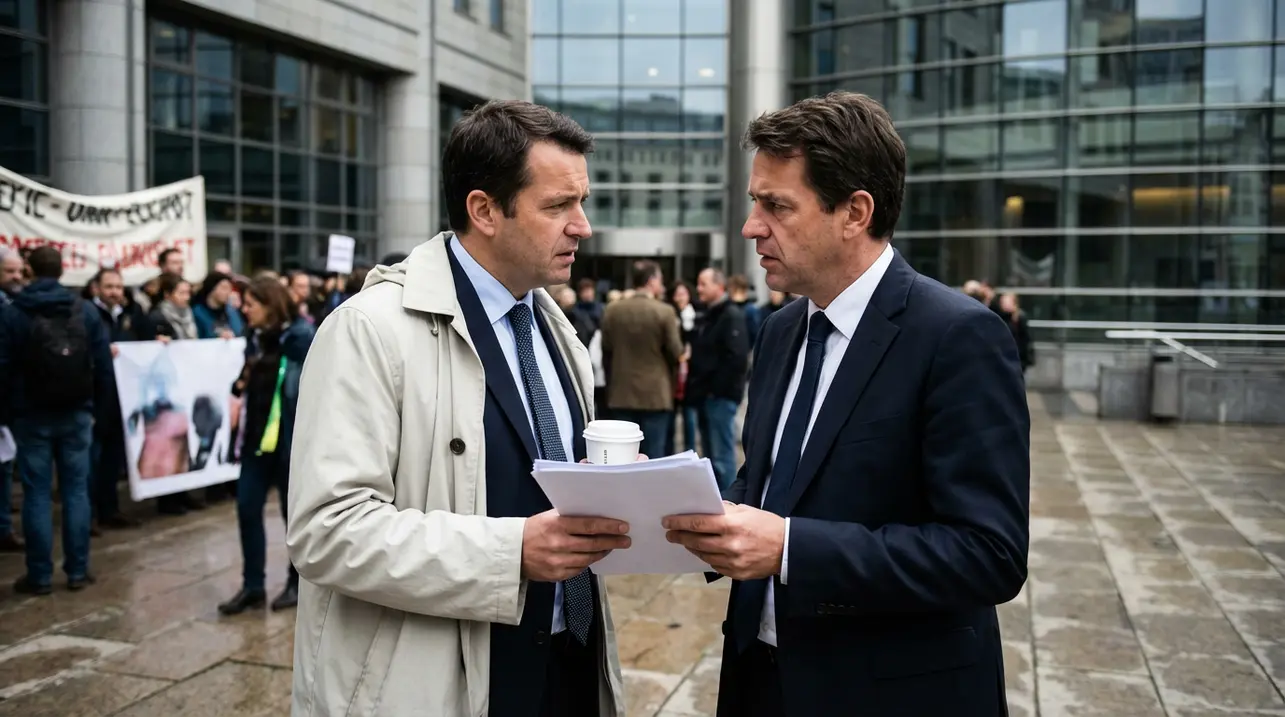
The political landscape is a theatre of perpetual paradox, where the most ardent defenders of an institution can become its most vocal reformers under the pressure of electoral reality. This is the precise, high-stakes calculation now being made by the UK's Labour government, a move that has sent tremors through its traditional support base on the left.The spectacle of Foreign Secretary David Lammy, once a staunch advocate for the European Convention on Human Rights (ECHR), standing alongside barrister Richard Hermer in Strasbourg to argue for its 'modernisation' and new 'constraints' is a profound strategic shift. It is a gambit framed in the language of preservation, a tactical retreat designed to fortify the citadel.As one ally articulated, invoking the timeless wisdom from Giuseppe Tomasi di Lampedusa's *The Leopard*, the rationale is clear: 'If we want things to stay as they are, things will have to change. ' This sentiment, a familiar refrain in the annals of political history where pragmatism often clashes with principle, has now convinced key figures like Home Secretary Shabana Mahmood that the UK must join a continental push to reinterpret the Convention's application.The core fear driving this manoeuvre is twofold: a perceived judicial overreach by the European Court of Human Rights (ECtHR) and the potent, rising threat from the far right, which has successfully weaponised public frustration with migration and sovereignty issues against the ECHR framework. For Labour, fresh from a decisive electoral victory but acutely aware of the volatile political undercurrents, the strategy is to disarm this potent opposition by proactively addressing its criticisms, thereby seeking to own the reform narrative and prevent a more radical dismantling should the political winds shift again.This is not merely a legal debate; it is a profound exercise in political risk management, reminiscent of historical moments where centrist governments have co-opted populist rhetoric to maintain systemic stability. The proposed 'declaration' sought in Strasbourg aims not to amend the Convention's text but to guide its interpretation, potentially recalibrating the balance between individual rights and state prerogatives on issues like national security and immigration.Critics on the left and within human rights organisations view this as a dangerous capitulation, a weakening of fundamental protections that sets a perilous precedent and legitimises the arguments of those who would see the UK withdraw from the Convention entirely. They argue that it sacrifices the universalism of human rights on the altar of political expediency, echoing past compromises that have eroded civil liberties.Proponents, however, contend that this is a necessary act of realpolitik to save the system from itself, arguing that an inflexible legal regime that loses public legitimacy is ultimately doomed. The shadow of the Rwanda asylum policy and the subsequent ECtHR interventions looms large here, having become a symbolic flashpoint.By seeking to 'clarify' the boundaries of interim measures under Rule 39, the so-called 'pyjama injunctions,' Labour hopes to reclaim control of the narrative on borders and courts. The broader context is a Europe increasingly wrestling with the same tensions, where governments from Italy to Denmark are questioning the current operational scope of the Strasbourg court. The gamble for Prime Minister Keir Starmer's administration is monumental: can it successfully navigate this reform, satisfying a public and media clamour for 'controlled borders' while retaining the core, protective integrity of the Human Rights Act and the Convention? Or does this opening salvo merely pave the way for future, more severe erosions, validating the very forces it seeks to neutralise? The outcome will define not only Labour's tenure but the future trajectory of human rights jurisprudence in Britain for a generation, testing whether Lampedusa's cynical adage holds true in the modern democratic arena or if, in the effort to change just enough, the very essence of what one seeks to preserve is irrevocably lost.
#Labour Party
#European Convention on Human Rights
#David Lammy
#Shabana Mahmood
#UK politics
#legal reform
#featured