Politicshuman rightsPolitical Prisoners
Two Salvadoran Human Rights Defenders Freed After Plea Deal
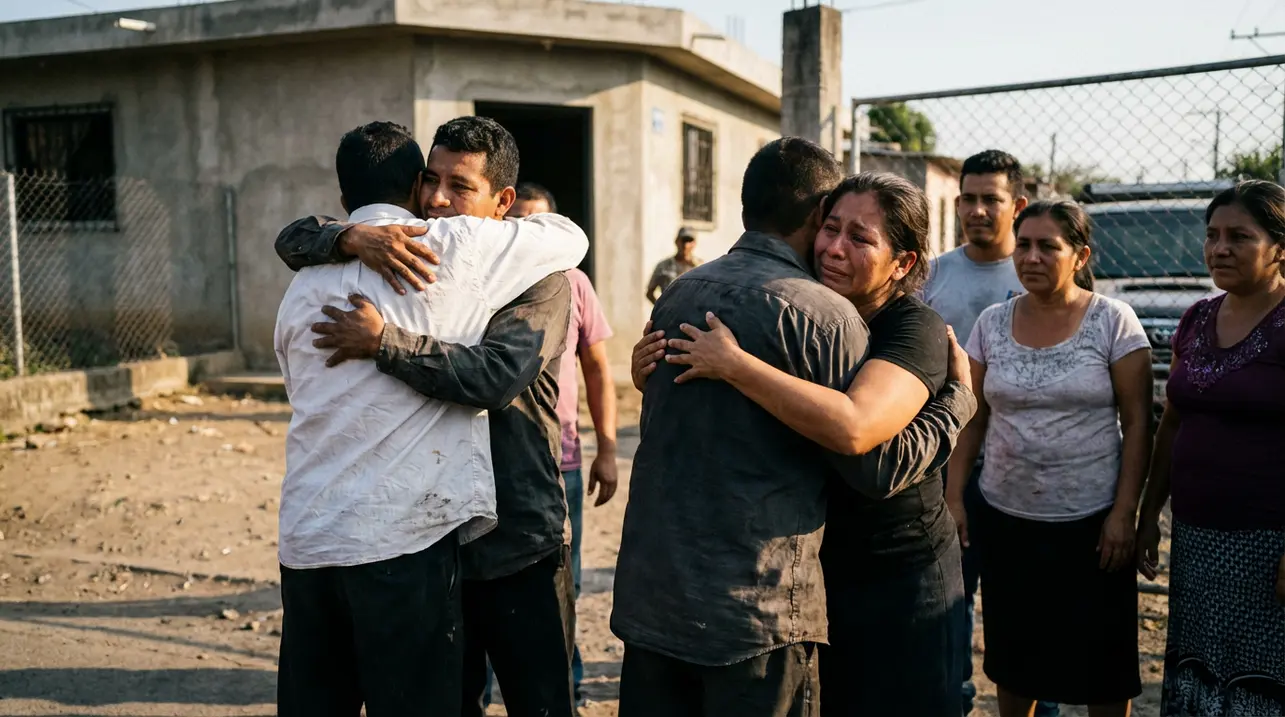
In a development that underscores the precarious state of civic space under Nayib Bukele’s administration, two Salvadoran human rights defenders, Alejandro Henríquez and José Ángel Pérez, have been released from prison after seven months of pretrial detention. Their freedom came not through exoneration, but via a plea deal—a legal mechanism their defense teams and international observers argue was coerced, a choice between indefinite incarceration and a compromised admission.For figures like Henríquez and Pérez, whose work often involves documenting state excesses in the so-called war on gangs, detention has become a familiar tactic of intimidation. Amnesty International was swift to condemn their imprisonment as wholly unjust, a sentiment echoing through the corridors of regional human rights bodies that have watched El Salvador’s emergency regime, in place since March 2022, steadily criminalize dissent under the banner of security.This case is not an isolated incident but a thread in a broader, darker fabric; over 75,000 people have been detained under the state of exception, with critics, journalists, and activists like these defenders frequently swept up in the dragnet. The plea deal itself is a pyrrhic victory, a forced compromise that leaves a stain on their records and serves as a chilling message to others.It reflects a judicial system bent to executive will, where the process becomes the punishment, draining the morale and resources of civil society. The international community, from the UN High Commissioner for Human Rights to organizations like Front Line Defenders, has repeatedly highlighted the pattern: defenders are arrested on dubious charges—often alleged “gang affiliation” without credible evidence—held incommunicado, and then pressured to plead guilty to lesser charges to secure release.This strategy effectively neutralizes opposition without the spectacle of a full trial. The personal toll is immense; seven months of uncertainty, separation from families, and the psychological weight of a system designed to break resolve.Yet, their release, however conditional, also reveals the resilience of both local advocacy and global solidarity networks that kept their case visible. Looking forward, the question is whether this outcome will embolden the government to continue this legal harassment or if sustained pressure can forge a sliver of accountability.The freeing of Henríquez and Pérez offers minimal relief while countless others remain detained, their cases unreported. True progress will be measured not by these calculated, piecemeal releases, but by the unconditional liberation of all those jailed for defending human rights and the dismantling of the legal architectures that enable such repression. The personal stories of these defenders—their work in marginalized communities, their documentation of abuses—must remain central to the narrative, reminding us that behind every legal maneuver are individuals fighting for a semblance of justice in an increasingly authoritarian landscape.
#featured
#El Salvador
#human rights defenders
#plea deal
#pretrial detention
#Amnesty International
#political prisoners
#Latin America