
Politicshuman rightsHumanitarian Aid
UN Faces Budget Crisis Impacting Human Rights Operations
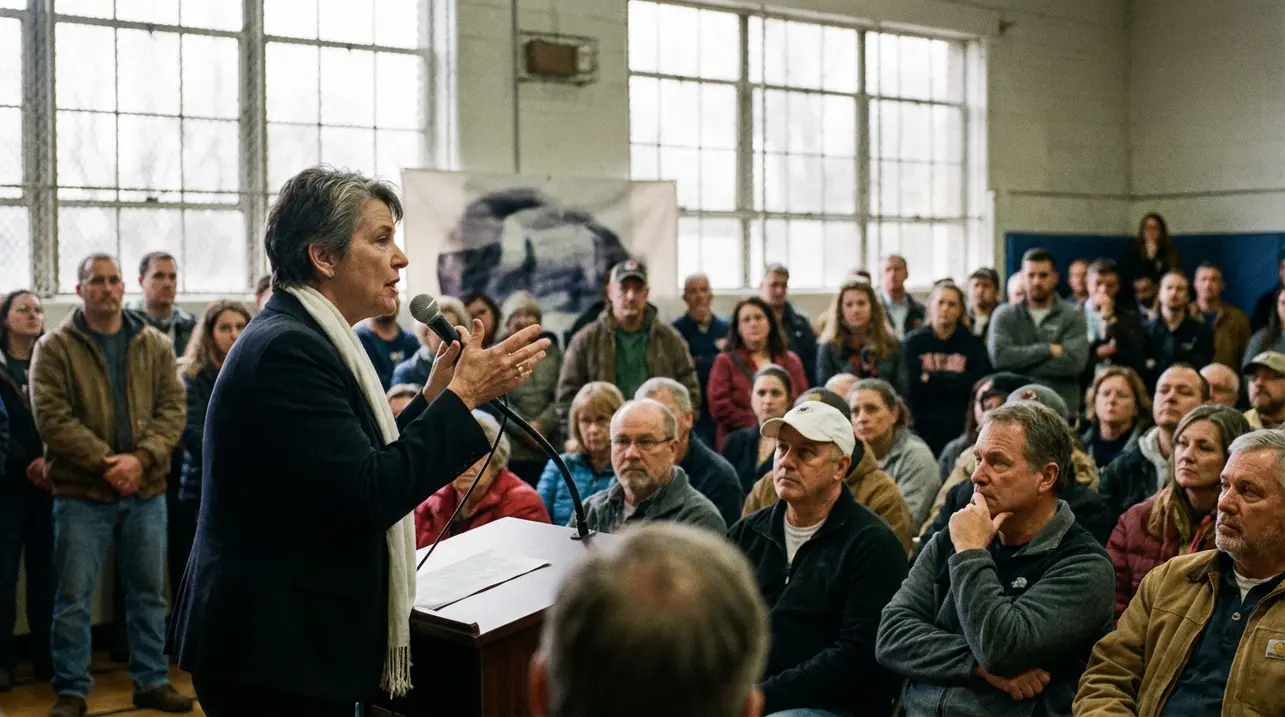
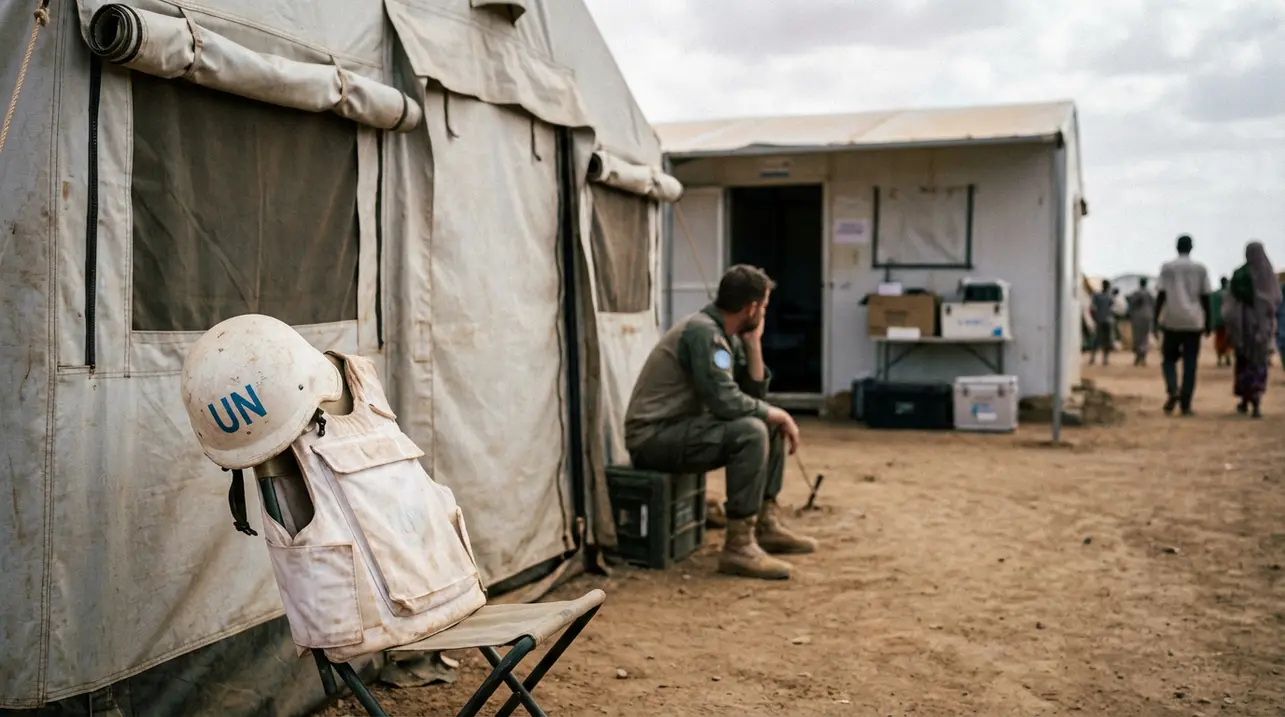
The United Nations, that grand and often beleaguered experiment in global cooperation, is facing a financial squeeze that threatens to silence its most vital voices. This isn't about a minor budget shortfall; it's a systemic crisis where core agencies like the World Health Organization and the International Organization for Migration are being forced to slash spending because key donor nations are pulling back on their foreign aid commitments.To understand the human cost, you have to look past the dry budgetary reports and into the field clinics, the refugee registration tents, and the monitoring missions that are now being scaled back or shuttered entirely. This retreat in funding represents more than a fiscal recalibration; it's a profound statement of shifting global priorities, where geopolitical self-interest is increasingly drowning out the collective duty to protect the vulnerable.The architecture of international human rights, painstakingly built in the wake of World War II's horrors, relies not on altruism alone but on the sustained, reliable financial contributions of member states. When those pledges waver, the entire structure groans.We've seen this movie before—during the debt crises of the 1980s and the austerity waves following 2008—and the sequel always follows a grimly predictable script: vaccination campaigns stall, leading to preventable outbreaks; food distribution networks thin, exacerbating famine in regions like the Horn of Africa; and monitors documenting war crimes are withdrawn, allowing atrocities to continue in shadow. The personal impact is devastating.Consider a single mother in a displacement camp who relied on a WHO-supported mobile health unit, now gone, or a migrant worker whose safe passage was facilitated by an IOM program that just lost its funding. These aren't abstract 'operations'; they are lifelines.The donor calculus, often framed in domestic political terms about fiscal responsibility or reallocating resources, fails to account for the long-term instability that festering humanitarian crises breed. History teaches us that neglected crises become tomorrow's regional conflicts and mass migration events.The feminist lens on this issue is particularly revealing, as women and children disproportionately bear the brunt of these cuts—from maternal health programs to protections against gender-based violence in conflict zones. The UN's debates in New York and Geneva grow more urgent, but the real dialogue is happening in empty warehouses and quieted offices where dedicated staff are packing up.This budget crisis is a test of our global conscience. Will we uphold the promises enshrined in the Universal Declaration of Human Rights, or will we allow it to become a parchment monument to a receding ideal? The answer won't be found in a General Assembly resolution, but in the next donor conference, where the checkbooks—or their absence—will write the next chapter for millions of the world's most marginalized people.
#UN
#budget shortfall
#foreign aid
#humanitarian crisis
#funding cuts
#featured