Politicsprotests & movements
Global Critical Minerals Rush Threatens Environment and Human Rights
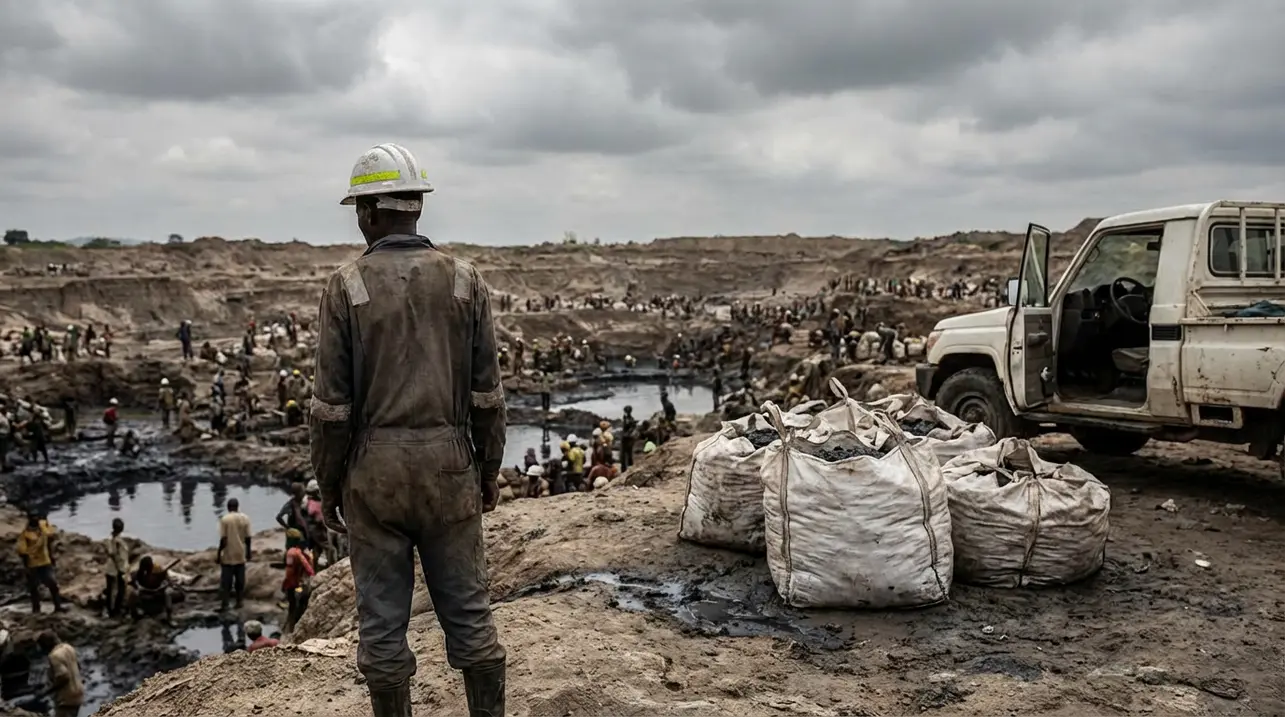
The frenzied global hunt for lithium, cobalt, nickel, and rare earth elements is not just a geopolitical or industrial story; it is an unfolding ecological and human tragedy. As nations, from the United States and Canada to China and the Democratic Republic of Congo, race to secure supplies deemed critical for the energy transition—powering electric vehicles, wind turbines, and solar panels—a dangerous and often overlooked pattern is emerging: the systematic dismantling of environmental safeguards in the name of speed and security.This isn't a hypothetical future risk; it's happening now. In the lithium-rich salt flats of the Atacama Desert in Chile and Argentina, mining operations are draining scarce groundwater, devastating fragile ecosystems and threatening Indigenous communities whose livelihoods are tied to the land.In Indonesia, vast nickel smelting operations fueled by coal power are scarring rainforests and polluting coastal waters, all while being fast-tracked by government incentives. The Democratic Republic of Congo, which supplies over 70% of the world's cobalt, remains a stark example where artisanal mining, often involving child labor, persists amidst a backdrop of severe environmental degradation and human rights abuses.Proponents argue these sacrifices are necessary for a greener future, a classic 'ends justify the means' rationale. But this logic is catastrophically flawed.We are witnessing a profound paradox: accelerating the destruction of vital ecosystems—the very systems that regulate our climate and support biodiversity—to build technologies intended to mitigate climate change. It's a self-defeating cycle.The narrative pushed by industry and many governments suggests that technological innovation and new mining frontiers, like deep-sea mining in the Pacific, will solve the supply crunch. Yet, these 'solutions' introduce new, potentially irreversible harms, from destroying undiscovered deep-sea life to contaminating entire ocean food chains.The uncomfortable, inescapable truth that policymakers are reluctant to address is that without a fundamental reduction in overall consumption—a move towards public transit, circular economies, and material efficiency—no amount of 'green' mining will be sustainable. Robust, legally enforceable rules are not a bureaucratic hindrance; they are the only bulwark against long-term, widespread harm.This means binding international standards that guarantee Free, Prior, and Informed Consent for Indigenous peoples, strict enforcement of environmental impact assessments, and supply chain transparency laws that hold multinational corporations accountable for abuses at any point in their network. The current rush, characterized by weakened regulations and a disregard for social equity, is deepening global divides, pitting economic development against environmental integrity and human dignity.The choice is not between mining and no mining; it is between continuing a rapacious, short-sighted extractive model that mirrors the worst of the fossil fuel era, or forging a path that genuinely balances human needs with planetary boundaries. Protecting basic rights and ecosystems isn't a secondary concern to be addressed later—it is the foundational prerequisite for any just transition. Without it, we risk building a low-carbon future on a foundation of profound injustice and ecological ruin.
#critical minerals
#mining
#environmental protection
#human rights
#social impact
#ecosystems
#editorial picks news