

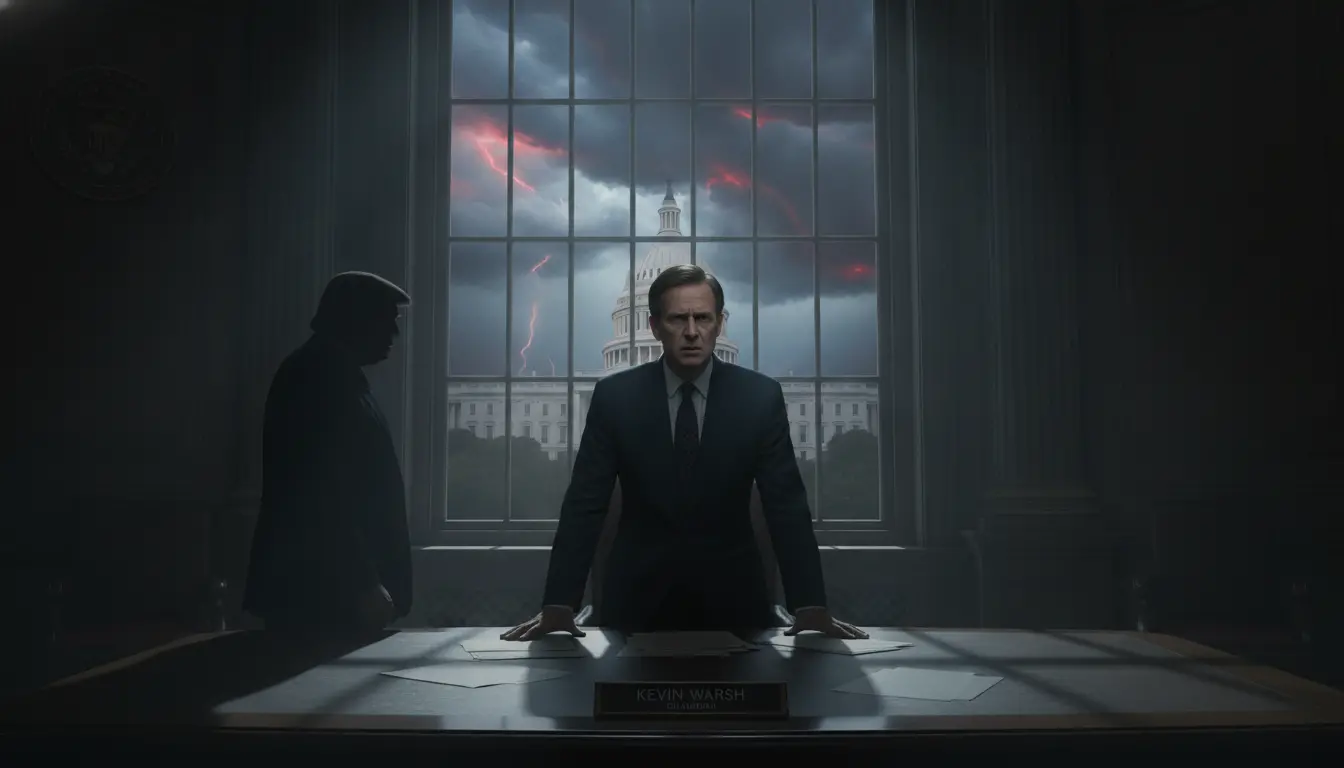
Kevin Warsh Faces Mounting Pressure as Fed Chair Amid Political Storm
Kevin Warsh, the current Chair of the Federal Reserve, is navigating one of the most turbulent periods of his tenure as political pressure from the Trump administration intensifies. Sources close to the White House indicate that President Trump has grown increasingly frustrated with the Fed's monetary policy stance, particularly its reluctance to cut interest rates aggressively. Warsh, who was appointed by Trump in 2025, has sought to maintain the central bank's independence, but his position is now seen as precarious, with speculation mounting that he could be replaced before his term ends in 2026.
The friction between the White House and the Federal Reserve is not new, but it has reached a critical juncture. Trump has publicly criticized the Fed's decisions, arguing that high interest rates are stifling economic growth and hurting American businesses. In private, he has reportedly pushed for more accommodative policies, including rate cuts that Warsh and other Fed officials have resisted. Warsh, a former Fed governor and Wall Street insider, has emphasized the need to combat inflation, which remains above the central bank's 2% target. His stance has earned him respect among economists but has put him on a collision course with the president.
The stakes are high for both the Fed and the broader economy. If Warsh is ousted, it would mark an unprecedented breach of the Federal Reserve's political independence, which has been a cornerstone of U.S. economic policy for decades. Investors are watching closely, as any perceived political interference could undermine confidence in the dollar and trigger volatility in financial markets. Meanwhile, Warsh's allies argue that his removal would be a grave mistake, warning that it could lead to a loss of credibility for the Fed and potentially spark a crisis of confidence in U.S. economic governance.
Behind the scenes, Warsh has been working to shore up support among Fed board members and key senators. He has also sought to build bridges with the administration, meeting with Treasury Secretary Scott Bessent and other officials to discuss economic policy. However, these efforts have yielded limited results, as Trump continues to demand more aggressive action. The president's recent social media posts, in which he accused the Fed of "playing politics" with the economy, have only heightened tensions. Warsh, for his part, has remained publicly composed, reiterating the Fed's commitment to data-driven decision-making.
The situation has drawn comparisons to previous clashes between the White House and the Federal Reserve, most notably during the Nixon administration, when then-Chair Arthur Burns was pressured to adopt expansionary policies ahead of the 1972 election. Economists note that such interference often leads to long-term economic pain, including higher inflation and slower growth. The current standoff, however, is unfolding in a more complex global environment, with the U.S. facing challenges from China's economic slowdown, geopolitical tensions, and supply chain disruptions.
Market participants are bracing for potential fallout. The U.S. dollar has already shown signs of weakness, and Treasury yields have fluctuated as traders weigh the possibility of a leadership change at the Fed. Some analysts believe that if Warsh is removed, the Fed could become more dovish, which might boost stocks in the short term but could also reignite inflation fears. Others argue that a new chair, possibly someone more aligned with Trump's views, could provide clarity and stability, but at the cost of the Fed's independence.
For now, Warsh remains in his position, but the clock is ticking. His term as chair runs through 2026, but the political pressure shows no signs of abating. The coming months will be crucial, as the Fed is scheduled to hold several policy meetings, and any decision to change leadership would likely come at a time of maximum economic uncertainty. Warsh's fate may ultimately hinge on his ability to navigate the delicate balance between political demands and economic prudence, a task that has proven nearly impossible for his predecessors.
The broader implications extend beyond the United States. Central banks around the world are watching the situation closely, as the Fed's independence is often seen as a model for other institutions. If Warsh is forced out, it could embolden populist leaders in other countries to exert similar pressure on their central banks, potentially destabilizing the global financial system. As the drama unfolds, the world will be watching to see whether the Federal Reserve can withstand the political storm or whether it will succumb to the pressures of the moment.
Stay Informed. Act Smarter.
Get weekly highlights, major headlines, and expert insights — then put your knowledge to work in our live prediction markets.
Related News
Federal Reserve holds rates steady at Warsh’s first meeting
Fed decision as it happened: US central bank drops bias for rate cuts as Kevin Warsh era begins
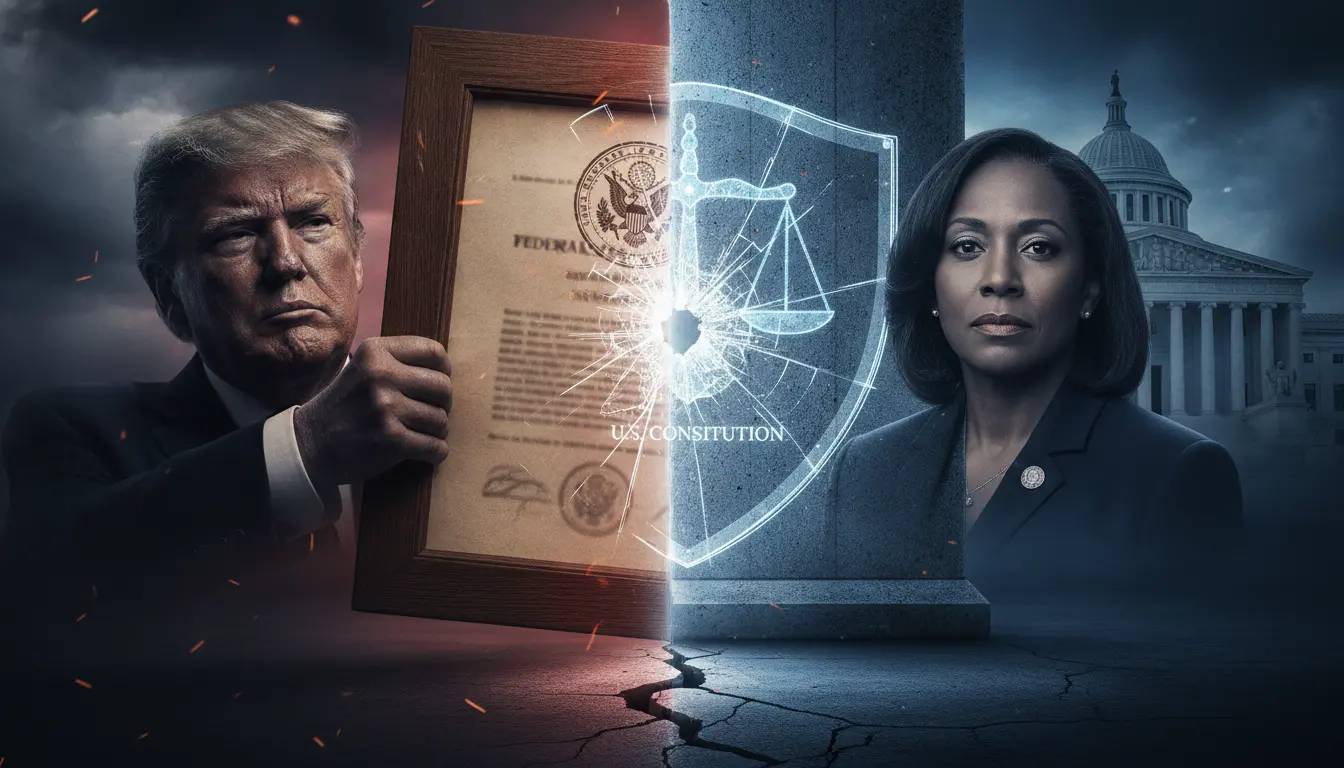
Trump Reportedly Renews Push to Remove Federal Reserve Governor Lisa Cook, Setting Stage for Constitutional Clash
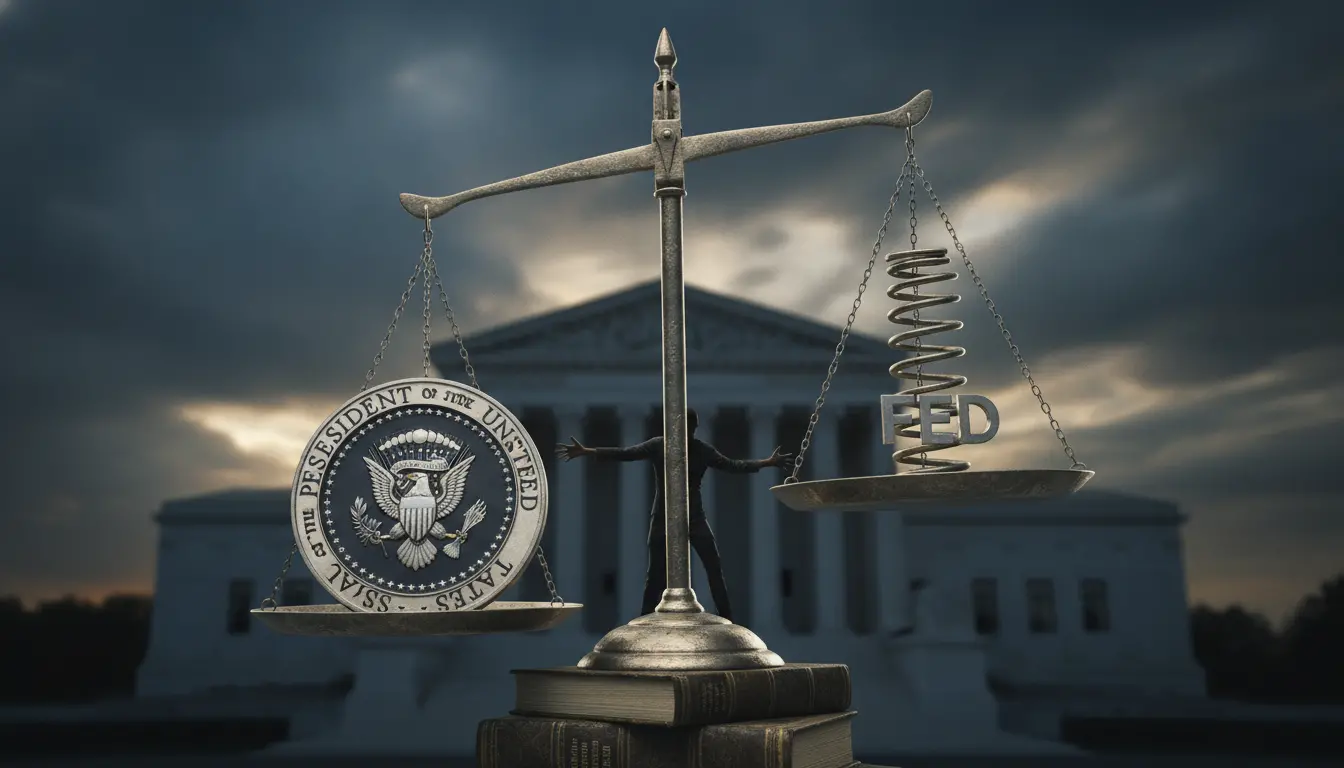
Supreme Court Poised to Redefine Presidential Authority Over Federal Reserve Leadership
Supreme Court Weighs President's Power to Fire Federal Reserve Governors
Supreme Court Weighs Presidential Power to Remove Federal Reserve Governors
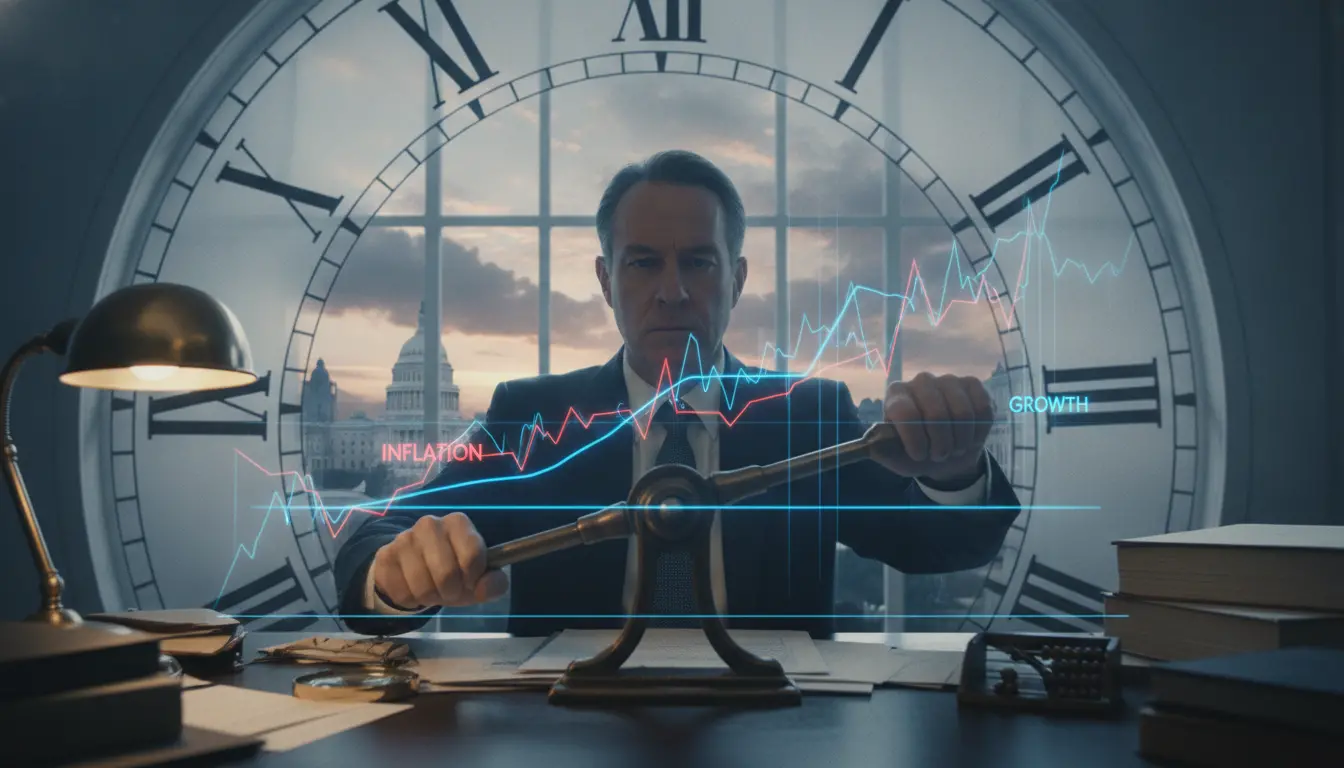
US Federal Reserve's Long-Term Interest Rate Path Under Intense Scrutiny
Supreme Court Examines Presidential Authority Over Federal Reserve Governor Removals
Supreme Court Poised to Redefine Presidential Authority Over Federal Reserve Governors
Supreme Court Deliberates Presidential Authority to Remove Federal Reserve Governors