

- News
- Finance
- Fed decision as it happened: US central bank drops bias for rate cuts as Kevin Warsh era begins
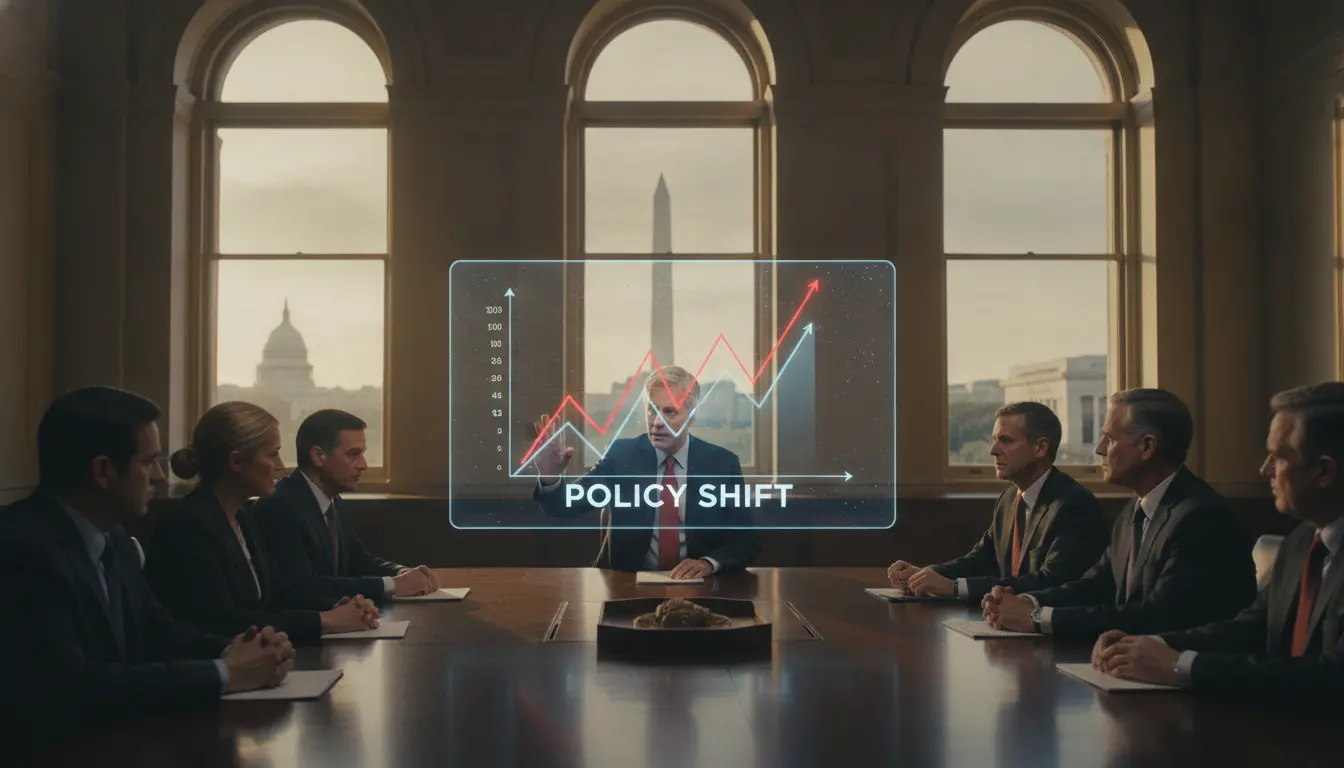
Fed decision as it happened: US central bank drops bias for rate cuts as Kevin Warsh era begins
The Federal Reserve has made a pivotal shift in its monetary policy stance, officially signaling an end to its prior bias for interest rate cuts. This move, which marks a significant turn for the US central bank, comes as inflation metrics surge, reportedly reaching nearly double the institution's longstanding target. The decision implicitly ushers in what some observers are terming the “Kevin Warsh era” – a period characterized by a potentially more hawkish approach to monetary policy, deeply influenced by external political factors. This recalibration is not occurring in a vacuum; it’s directly intertwined with the economic fallout stemming from former President Donald Trump’s military engagements in Iran, which have demonstrably exacerbated inflationary pressures across the domestic economy.
The central bank’s dual mandate typically balances price stability with maximum sustainable employment. For months, a prevailing narrative suggested the Fed might be inclined towards easing monetary conditions to stimulate growth, particularly given global economic uncertainties. However, the latest inflation figures have painted a stark picture, compelling policymakers to confront a reality where price stability is under severe threat. The shift away from a rate-cutting bias is a tacit acknowledgment that the economic landscape has fundamentally changed, demanding a more aggressive stance to rein in surging costs. This is a delicate balancing act, as tightening monetary policy too rapidly risks stifling economic expansion and potentially increasing unemployment, while inaction could entrench inflationary expectations.
At the heart of this inflationary surge, according to economic assessments, lies the geopolitical ripple effect of the Trump administration's foreign policy. The “war in Iran,” a descriptor often used to encapsulate the heightened tensions and military actions in the Persian Gulf under the previous presidential term, directly impacted global energy markets and supply chains. Sanctions, threats of conflict, and actual skirmishes created instability that translated into higher oil prices and increased shipping costs. These effects cascaded through the economy, inflating the cost of everything from transportation to manufacturing, and ultimately, consumer goods. It underscores a critical, often overlooked, dynamic: foreign policy decisions, far from being isolated, wield profound influence over the domestic economic fortunes and the very mandate of the Federal Reserve.
The concept of a “Kevin Warsh era” further illuminates the gravity of the Fed’s current position. While not currently a member of the Federal Open Market Committee, Warsh, a former Fed governor, is often cited as an influential voice advocating for tighter monetary policy and a more disciplined approach to the central bank's balance sheet. His intellectual framework often emphasizes the dangers of excessive liquidity and politically-driven monetary accommodation. The adoption of a stance that aligns with such hawkish philosophies suggests a determination within the Fed to reassert its independence and prioritize inflation control, even if it means weathering political criticism or potentially slowing economic growth. This philosophical pivot indicates a deep concern about the long-term credibility of the central bank's commitment to price stability.
For the American public, the immediate consequence of this policy pivot is likely continued upward pressure on borrowing costs. Mortgages, auto loans, and business credit could become more expensive, potentially cooling demand and economic activity. However, the Fed's gamble is that by acting decisively now, it can prevent inflation from becoming ingrained, a scenario that historically leads to far more painful economic adjustments. The interplay between an independent central bank, the volatile currents of international politics, and the daily economic realities faced by millions of citizens will define this new chapter. The challenge for the Fed will be to navigate this politically charged environment while maintaining its credibility and effectively steering the economy towards its dual objectives.
The future trajectory of the US economy will hinge on several critical factors: the persistence of geopolitical tensions, the effectiveness of the Fed’s updated strategy in tempering inflation without triggering a recession, and the broader political landscape. As the Warsh-esque discipline potentially takes hold, the Federal Reserve finds itself at a crucial juncture, tasked with insulating the economy from the residual effects of past political decisions while preparing for future uncertainties. It’s a testament to how deeply intertwined policy, politics, and economics have become, demanding nuanced leadership from an institution traditionally seen as apolitical.
Stay Informed. Act Smarter.
Get weekly highlights, major headlines, and expert insights — then put your knowledge to work in our live prediction markets.
Related News
Kevin Warsh Faces Mounting Pressure as Fed Chair Amid Political Storm
Bitcoin, ether slide after a hawkish Fed, even as Trump's signed Iran deal lifts stocks
Federal Reserve holds rates steady at Warsh’s first meeting
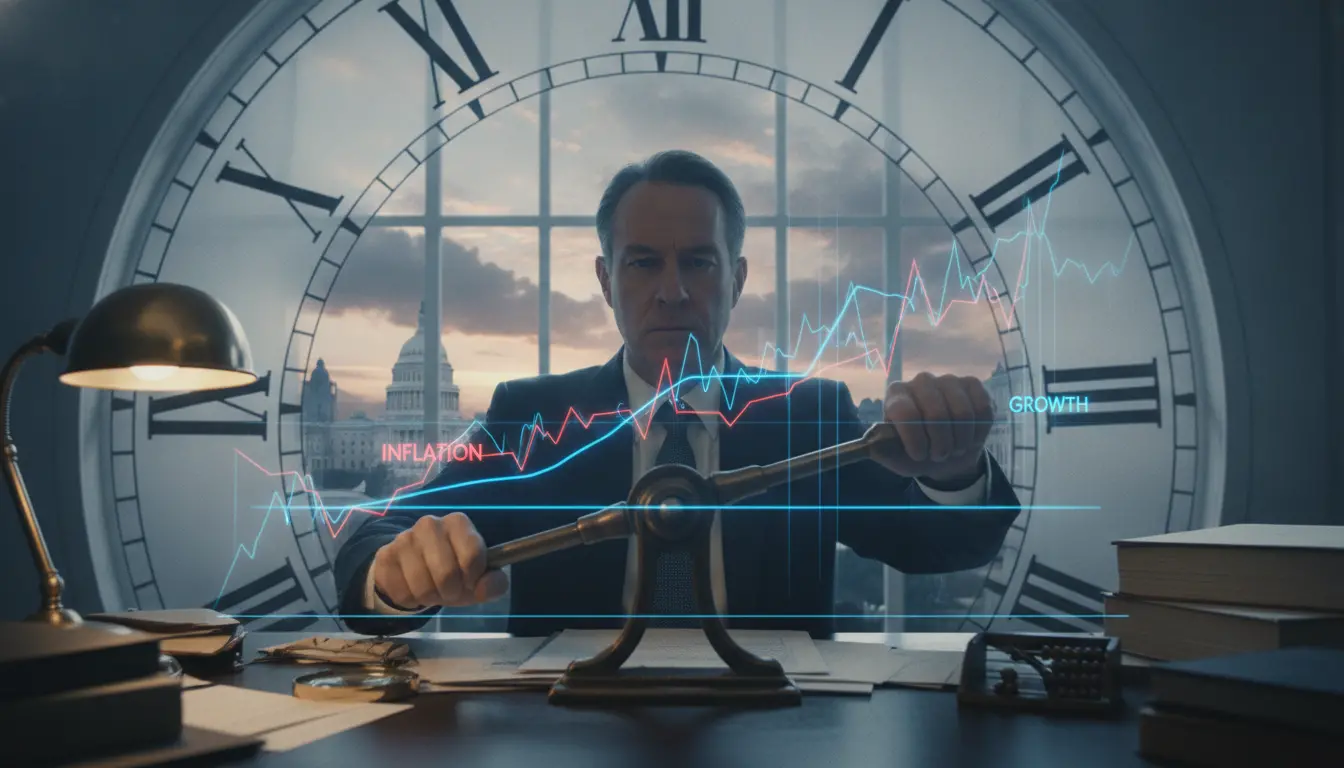
US Federal Reserve's Long-Term Interest Rate Path Under Intense Scrutiny
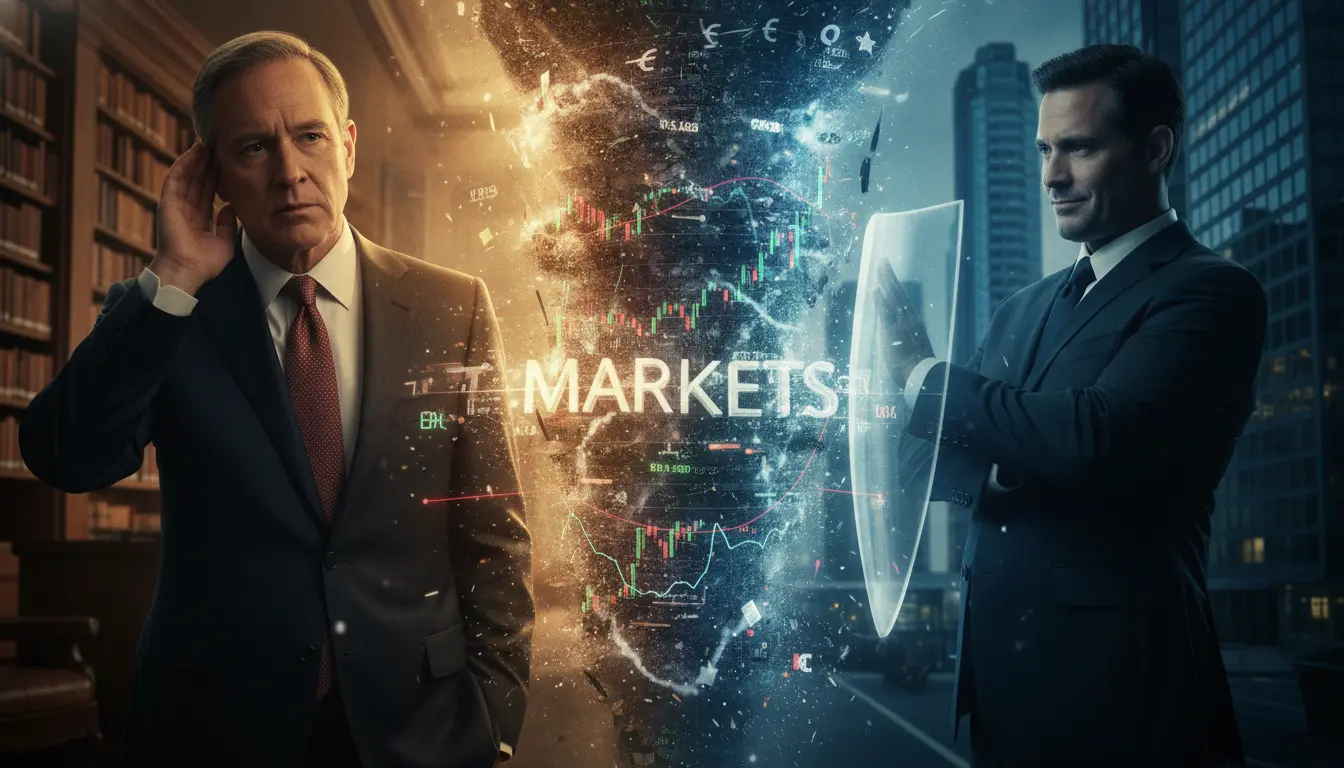
Warsh wants to listen to markets more. Morgan Stanley says markets may regret it.
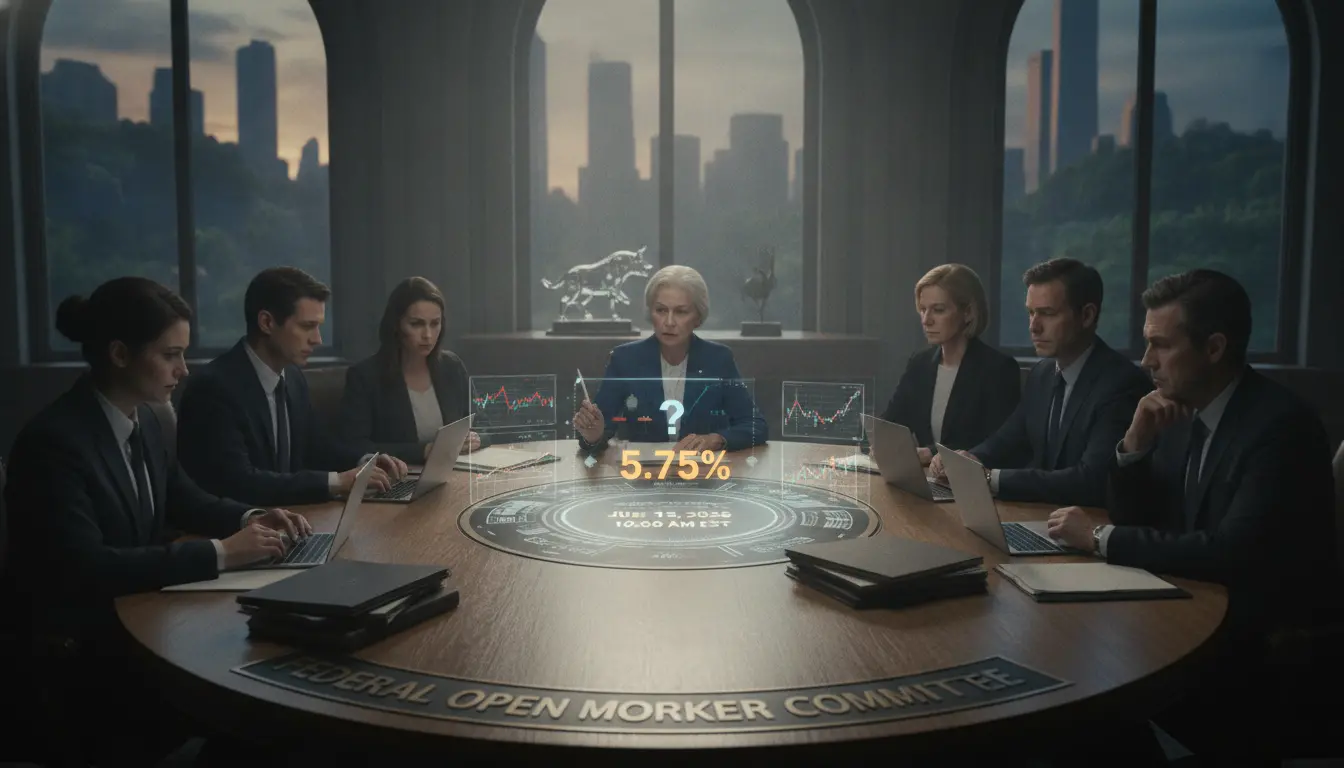
Federal Reserve Prepares for Critical July 2026 Rate Decision Amid Evolving Economic Landscape
Federal Reserve's Long-Term Strategy Under Scrutiny as Analysts Project Path to 2026 Rate Decisions
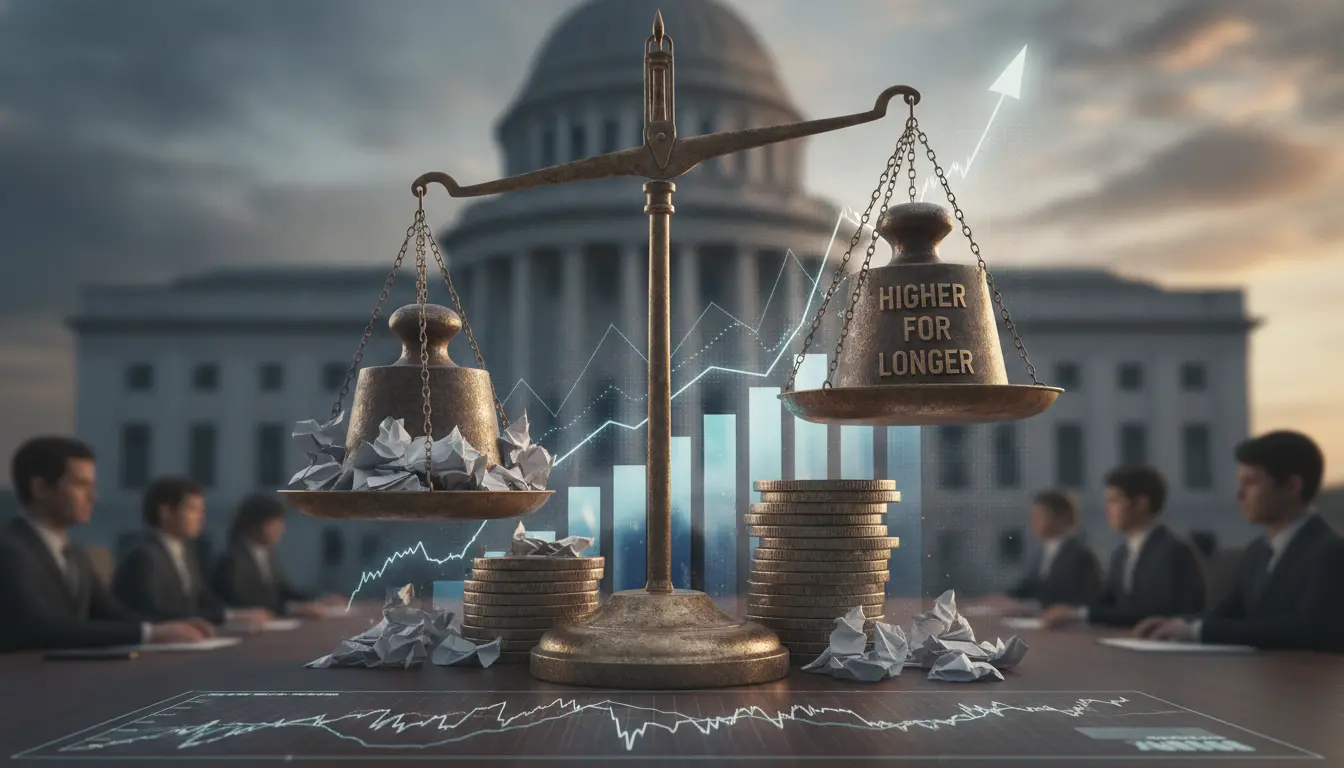
Fed Grapples With Long-Term Rate Outlook as 'Higher for Longer' Mantra Tested by Economic Data
Fed Signals Potential July Rate Cut as Inflation Cools and Growth Slows
Federal Reserve Signals Potential 2026 Rate Hike Amidst Growing AI-Driven Inflation Concerns