


Supreme Court Poised to Redefine Presidential Authority Over Federal Reserve Governors
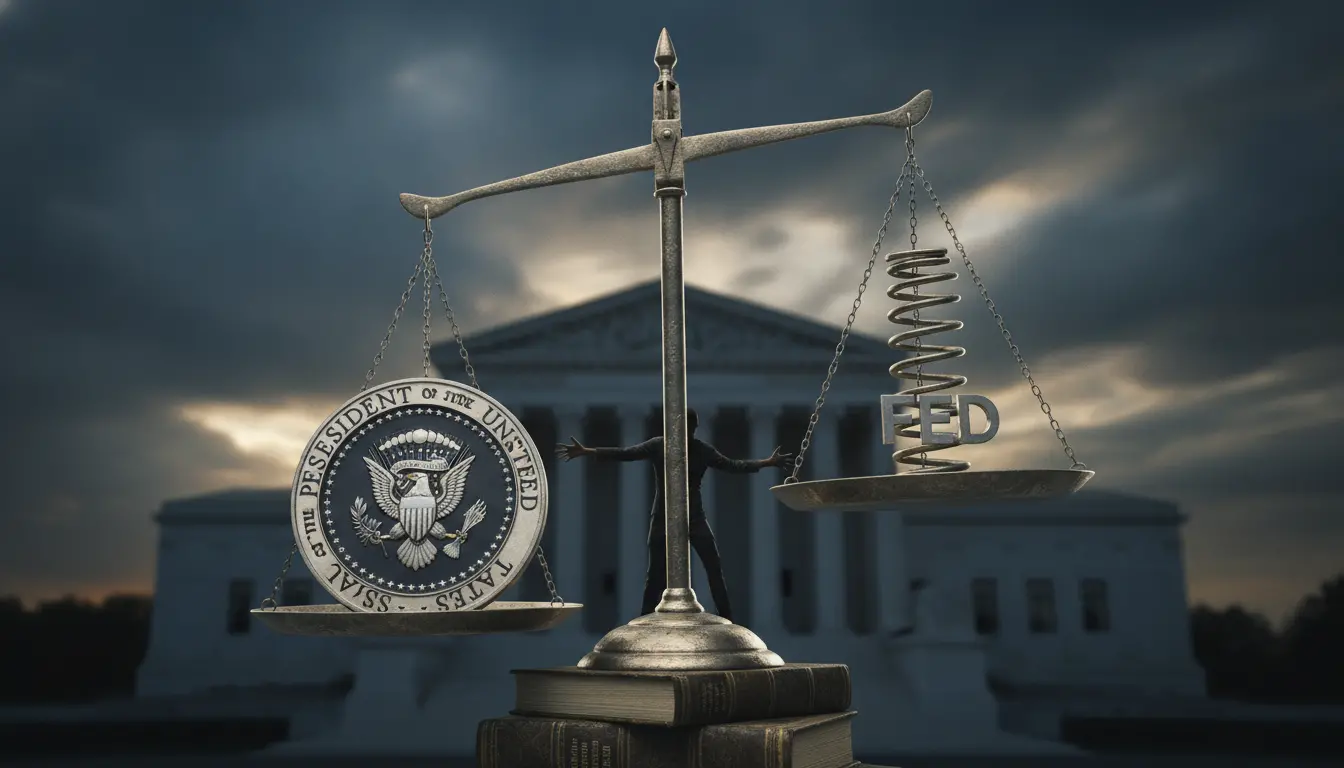
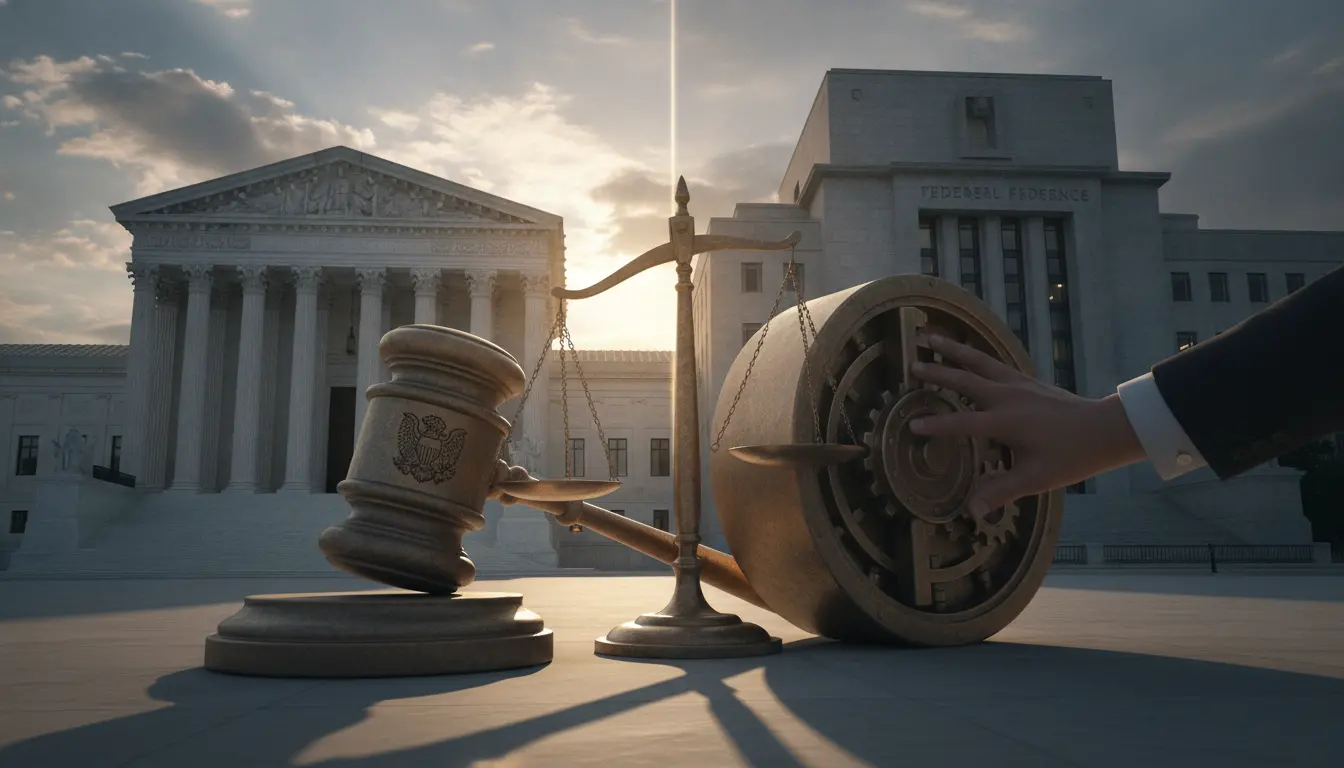
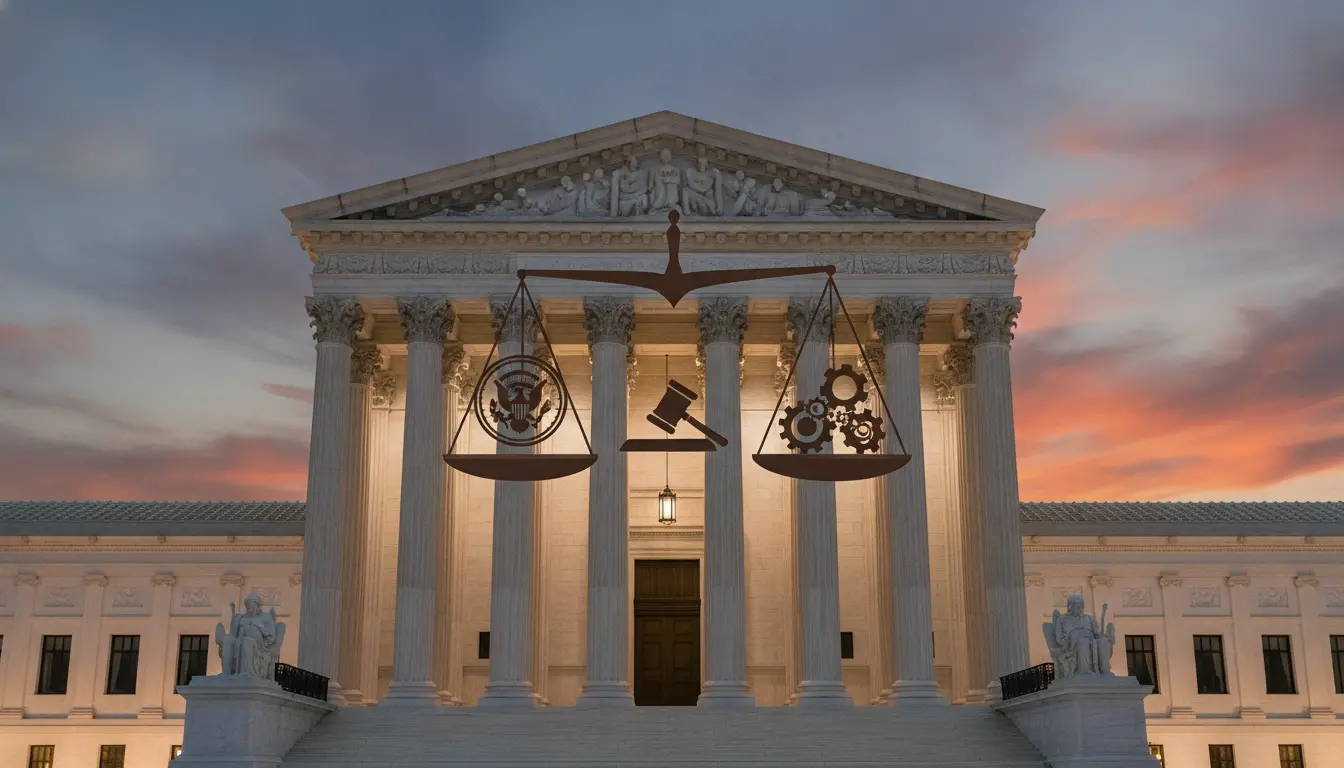
The United States Supreme Court is on the cusp of delivering a potentially landmark ruling that could fundamentally reshape the delicate balance of power between the executive branch and the nation's independent agencies, particularly the Federal Reserve. At stake is the President's ability to dismiss a Federal Reserve Governor without cause, a power that could significantly impact the central bank's long-cherished independence and its capacity to conduct monetary policy free from direct political interference.
Historically, the Federal Reserve, established in 1913, has operated with a degree of insulation from presidential whims, a design intended to ensure monetary policy decisions are made on economic merits rather than short-term political expediency. Governors serve staggered 14-year terms, providing stability and continuity, while the Chairman and Vice Chairmen are appointed for four-year terms, subject to Senate confirmation. The current legal framework, largely informed by the Supreme Court's 1935 decision in Humphrey's Executor v. United States, generally limits the President's removal power over officials in independent agencies to specific grounds, such as inefficiency, neglect of duty, or malfeasance. This precedent has been a cornerstone in defining the autonomy of agencies like the Fed, the Federal Trade Commission, and others, shielding their experts from partisan pressures and allowing them to pursue long-term goals crucial for economic stability and regulatory oversight.
The case under consideration challenges this long-standing interpretation, arguing for a more expansive view of presidential power rooted in the unitary executive theory. Proponents of this theory contend that the Constitution vests all executive power in the President, implying that any official exercising executive authority must be directly accountable to the President and removable at will. The argument posits that limiting the President's removal power over certain executive officials, even those in independent agencies, unconstitutionally infringes upon the President's duty to faithfully execute the laws and oversee the administration. This perspective suggests that the current structure unduly fragments executive authority and hinders effective governance, making it difficult for an administration to implement its policy agenda across the federal bureaucracy.
Opponents, including many former Fed officials, economists, and legal scholars, warn of dire consequences should the Court side with an expansive view of presidential removal power. They argue that eroding the Fed's independence would expose monetary policy to greater political influence, potentially leading to decisions driven by electoral cycles rather than sound economic principles. Such a shift could jeopardize the central bank's credibility, both domestically and internationally, fostering uncertainty in financial markets and making it harder for the Fed to manage inflation, maintain full employment, and ensure financial stability. The ability of the Fed to act decisively in times of economic crisis, for instance, could be hampered if its leadership fears arbitrary removal by an administration disagreeing with its strategy.
Beyond the Federal Reserve, the ruling carries profound implications for the entire landscape of independent agencies across the federal government. Agencies responsible for environmental protection, financial regulation, consumer safety, and telecommunications, among others, currently operate with varying degrees of independence, protected by similar limitations on presidential removal power. A broad ruling expanding the President's authority could open the door for future administrations to exert more direct control over these critical regulatory bodies, potentially leading to rapid shifts in policy direction with each change of presidential administration. This could introduce significant instability and unpredictability into areas requiring consistent, expert-driven oversight.
As the Supreme Court's term draws to a close, the anticipation surrounding this decision is palpable within legal, financial, and political circles. The outcome will not only redefine a crucial aspect of presidential power but also cast a long shadow over the foundational principles of institutional independence that have underpinned key aspects of American governance for decades. Regardless of the specific contours of the ruling, it is expected to ignite intense debate over the proper balance between executive accountability and the necessity of expert, non-partisan administration in an increasingly complex world.
Stay Informed. Act Smarter.
Get weekly highlights, major headlines, and expert insights — then put your knowledge to work in our live prediction markets.
Related News
Supreme Court Poised to Redefine Presidential Authority Over Federal Reserve Leadership
Supreme Court Weighs Presidential Power to Remove Federal Reserve Governors
Supreme Court Set to Deliver Landmark Ruling on Presidential Authority Over Federal Reserve Governors
Supreme Court Deliberates Presidential Authority to Remove Federal Reserve Governors

Supreme Court Examines Presidential Authority Over Federal Reserve Governor Removals
Supreme Court Weighs President's Power to Fire Federal Reserve Governors
Supreme Court Expands Presidential Authority to Remove Independent Agency Heads, Redefining Executive Control

Trump Reportedly Renews Push to Remove Federal Reserve Governor Lisa Cook, Setting Stage for Constitutional Clash
Supreme Court Rulings Ignite Debate Over Presidential Authority to Challenge FCC Leadership
U.S. Supreme Court Deliberates Sweeping Presidential Immunity Claims Amidst Landmark Case