

- News
- Entertainment
- Recording Academy Eyes 2027 Grammy Awards Amidst Industry Transformation and Evolving Standards
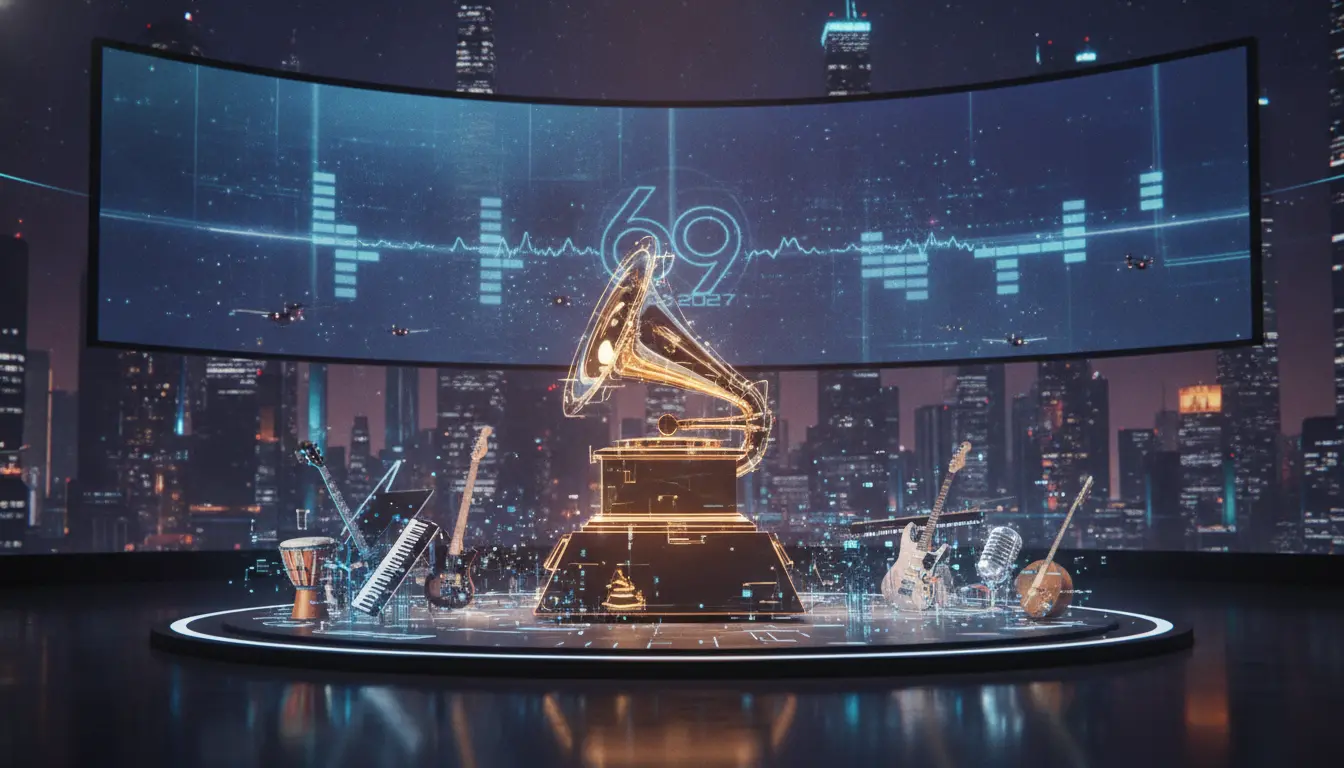
Recording Academy Eyes 2027 Grammy Awards Amidst Industry Transformation and Evolving Standards
As the global music industry continues its rapid evolution, the Recording Academy is already laying the groundwork for the 69th Annual Grammy Awards, slated for early 2027. While the scheduling of the prestigious ceremony is a routine part of the industry calendar, its placement on the horizon comes as the Academy navigates a complex period of institutional reform, technological disruption, and a sustained push for greater diversity and transparency. The Grammys of 2027 are expected to be a culmination of years of strategic changes aimed at preserving the award's relevance in an era where musical discovery and consumption have been fundamentally reshaped.
The path to 2027 is paved with the lessons of the recent past. The Recording Academy has spent the last several years confronting significant criticism regarding its voting processes, representation, and ability to keep pace with contemporary culture. High-profile controversies, including accusations of backroom dealing in nomination committees and boycotts from major artists like The Weeknd, forced a period of intense self-reflection. In response, the organization has implemented some of the most substantial reforms in its history, most notably the elimination of its anonymous nomination review committees in 2021. This move was designed to return all voting power to its thousands of members, a direct answer to claims that a select few insiders were overriding the popular vote and steering nominations.
Under the leadership of CEO Harvey Mason Jr., the Academy has embarked on a multi-pronged mission to modernize. This includes an aggressive drive to diversify its membership, actively recruiting younger creators, women, and individuals from underrepresented ethnic and racial backgrounds to ensure the voting body more accurately reflects the artists creating music. Furthermore, the Academy has shown a willingness to adapt its categories to the changing sonic landscape. The recent additions of awards like Songwriter of the Year (Non-Classical), Best African Music Performance, and Best Pop Dance Recording demonstrate an effort to recognize previously overlooked roles and genres that now dominate global charts and cultural conversations. These structural adjustments are not merely cosmetic; they are foundational shifts intended to rebuild trust and credibility with both the artistic community and the public ahead of future ceremonies like the 69th edition.
The most formidable challenge facing the Grammys, however, may be the very nature of modern music itself. The era of the blockbuster album cycle, once the industry's lifeblood, now coexists with the viral, ephemeral nature of TikTok hits and the overwhelming volume of music uploaded daily to streaming platforms. The Academy of 2027 will be tasked with evaluating artistry in a landscape where a 30-second audio clip can achieve more cultural penetration than a critically acclaimed, full-length project. This dynamic raises fundamental questions about what constitutes award-worthy achievement. How does the institution weigh commercial impact against artistic depth, or global streaming numbers against peer-reviewed technical excellence? The answers will define the Grammy's identity in the latter half of this decade.
Moreover, emerging technologies, particularly artificial intelligence in music creation, are poised to present new and complex questions for the Academy's rule-makers. By 2027, AI-generated or AI-assisted compositions could become far more prevalent, forcing the institution to establish clear guidelines on what constitutes human authorship and creativity. The policies the Academy develops in the coming years will be critical in determining its role not just as a celebrant of past achievements, but as a standard-bearer for the future of music production.
As the Recording Academy formalizes its long-term plans, the 2027 ceremony serves as more than just a date on a calendar. It is a benchmark for the success of its ongoing reforms and a test of its adaptability. The central question is whether these changes will be enough to solidify the Grammy Awards as the definitive measure of musical excellence for a new generation of artists and fans. The health and prestige of the iconic golden gramophone depend on the Academy’s ability to prove it can honor music’s rich history while fully embracing its dynamic, unpredictable, and increasingly democratized future.
Stay Informed. Act Smarter.
Get weekly highlights, major headlines, and expert insights — then put your knowledge to work in our live prediction markets.
Related News
K-Pop Sensation Eyed for Super Bowl LXI Halftime Show in 2027 Amid Global Appeal Push
Time Magazine's 2026 Person of the Year: A Barometer of Global Influence and Cultural Shifts
OpenAI Intensifies Efforts on Next Foundational LLM, Aiming for Post-GPT-5.6 Release by Early 2027
Trump's 'Project 2025' Puts Kennedy Center and Other Cultural Institutions in Crosshairs
NBA Contenders Emerge for 2026-27 Championship as Celtics Seek Sustained Dominance

Leading Streaming Services Prepare for Further Ad-Free Price Hikes by 2026

High-Profile Romance: Speculation Mounts Over Zoë Kravitz and Harry Styles Engagement
German Presidency Succession Looms as Federal Assembly Prepares for 2027 Vote

OpenAI Eyes Major Leap in Multimodal AI and Reasoning with Anticipated GPT-5 Release by Mid-2026

Nikola Jokic's Sustained Dominance Positions Him as Perennial MVP Contender for 2026-27 Season