

PlayStation Reportedly Moving to Exclusively Digital Game Releases by 2028
Sony's PlayStation division is reportedly poised to discontinue the production of all physical game discs for new releases by December 31, 2028, signaling a profound shift in the console gaming landscape. While an official confirmation from Sony remains pending, industry insiders and supply chain whispers suggest the Japanese tech giant is accelerating its transition towards an entirely digital distribution model. This strategic pivot would mark the end of an era for physical media enthusiasts and retailers, cementing digital downloads as the sole gateway to new PlayStation experiences.
This speculated move is not entirely unforeseen, but rather the culmination of years of industry trends favoring digital distribution. For over a decade, major publishers and platform holders have steadily steered consumers towards digital storefronts, leveraging convenience, direct sales, and increased profit margins. PlayStation itself launched a Digital Edition of its current-generation PlayStation 5 console, foregoing a disc drive entirely. The rising popularity of subscription services like PlayStation Plus, offering vast libraries of downloadable titles, further underscores this trajectory. The economics are compelling for platform holders: digital sales eliminate manufacturing, shipping, and retail mark-up costs, boosting per-unit revenue significantly.
The implications of such a comprehensive shift are far-reaching, affecting various stakeholders across the gaming ecosystem. For traditional game retailers, particularly those heavily reliant on physical media like GameStop, this development poses an existential threat. These stores have already grappled with declining foot traffic and the shift to online purchasing, and a complete cessation of new physical game releases would accelerate their challenges. For consumers, the change brings both conveniences and concerns. While digital purchases offer instant access and eliminate physical clutter, they also raise questions about game ownership, the inability to resell or lend games, and the long-term preservation of titles should digital storefronts eventually close or licenses expire. Collectors, in particular, will lament the loss of tangible game boxes and artwork.
From Sony's perspective, the transition offers undeniable strategic advantages beyond just cost savings. An all-digital ecosystem provides greater control over content distribution, pricing, and promotional strategies. It also streamlines production and reduces environmental impact associated with physical goods. Furthermore, it could pave the way for more innovative digital features, potentially integrating games more deeply with cloud services or subscription models. However, the company must carefully navigate potential consumer backlash, particularly from loyal fans who value physical ownership and those in regions with less reliable internet infrastructure, where large digital downloads can be problematic.
The broader entertainment industry has already witnessed similar transformations. Music sales largely migrated from CDs to digital downloads and then overwhelmingly to streaming services. Film and television followed a similar path, with DVDs and Blu-rays giving way to vast streaming platforms. Gaming has been somewhat slower to fully embrace this paradigm due to the unique nature of its hardware and the cultural attachment to physical media, but the momentum has been building. Microsoft's Xbox division has also explored digital-only consoles and emphasized its Game Pass subscription, indicating a shared industry vision for the future.
While concrete details from Sony are awaited, the persistent reports highlight a significant strategic reorientation within one of gaming's most influential companies. Should PlayStation indeed cease physical disc production for all new releases by the end of 2028, it would not merely be a business decision but a definitive statement on the future of how video games are bought, owned, and experienced. The move would solidify digital distribution as the unquestioned dominant model, forcing the industry and consumers alike to adapt to a new paradigm of virtual ownership and access.
This potential shift underscores a pivotal moment for console gaming, forcing a reckoning with legacy practices and accelerating the digital future. The coming years will undoubtedly see close scrutiny of how Sony manages this transition, balancing corporate objectives with consumer sentiment and the evolving expectations of a global gaming audience.
Stay Informed. Act Smarter.
Get weekly highlights, major headlines, and expert insights — then put your knowledge to work in our live prediction markets.
Related News

Grand Theft Auto VI Release Window Fuels Industry Speculation and Developer Scrutiny
YouTube Phenomenon MrBeast Nears Unprecedented 300 Million Subscriber Mark

Swift's Next Era Takes Shape as Re-Recording Project Nears Completion
Apple Revises App Store Commission Policy Amid Heightened Antitrust Scrutiny and Epic Games Litigation
Apple Asks Supreme Court to Weigh In on Epic Games Ruling, Escalating App Store Antitrust Battle

The Race for Television's Top Drama Honor Intensifies for the 2026 Emmy Awards
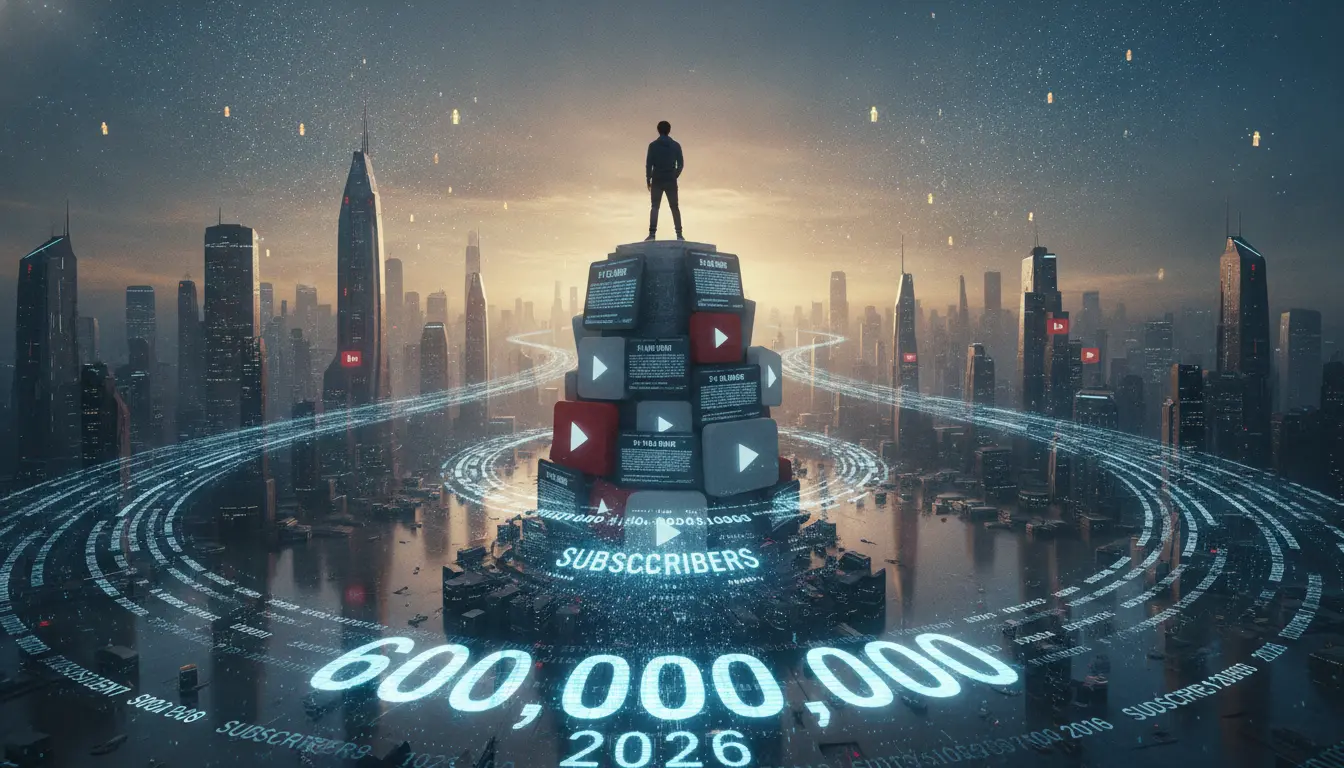
MrBeast's YouTube Juggernaut Aims for 600 Million Subscribers by 2026 Amid Unprecedented Growth
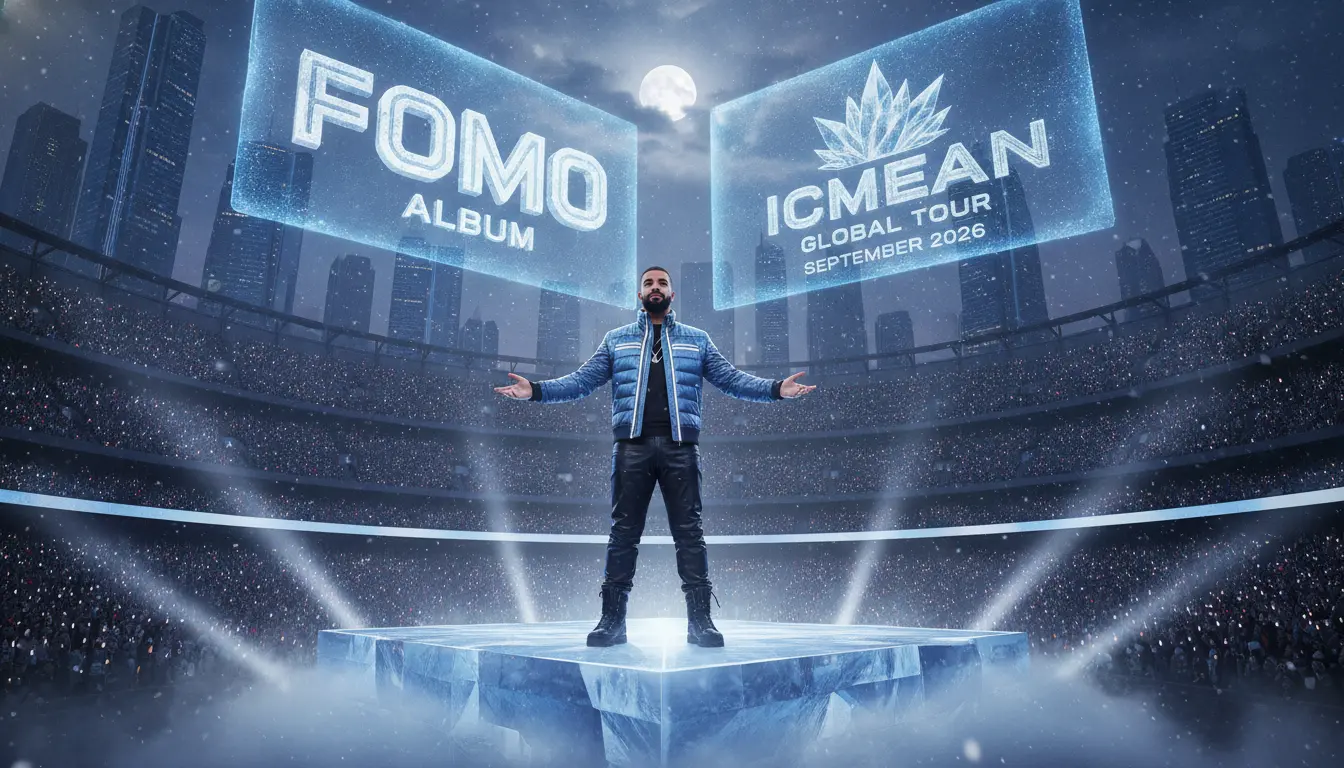
Drake Poised for 'FOMO' Album Release and 'ICEMAN' Tour Announcement in September 2026
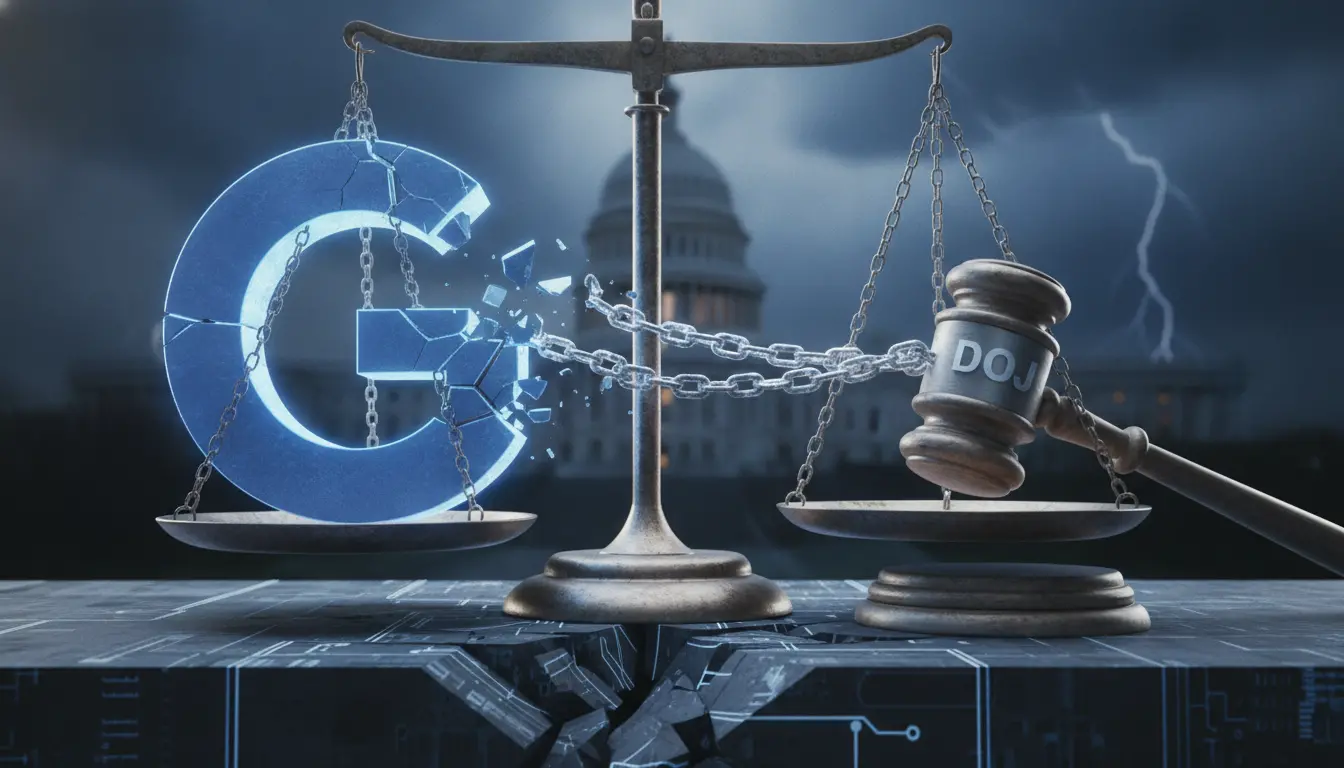
US Department of Justice Seeks Google Search Breakup Following Antitrust Ruling
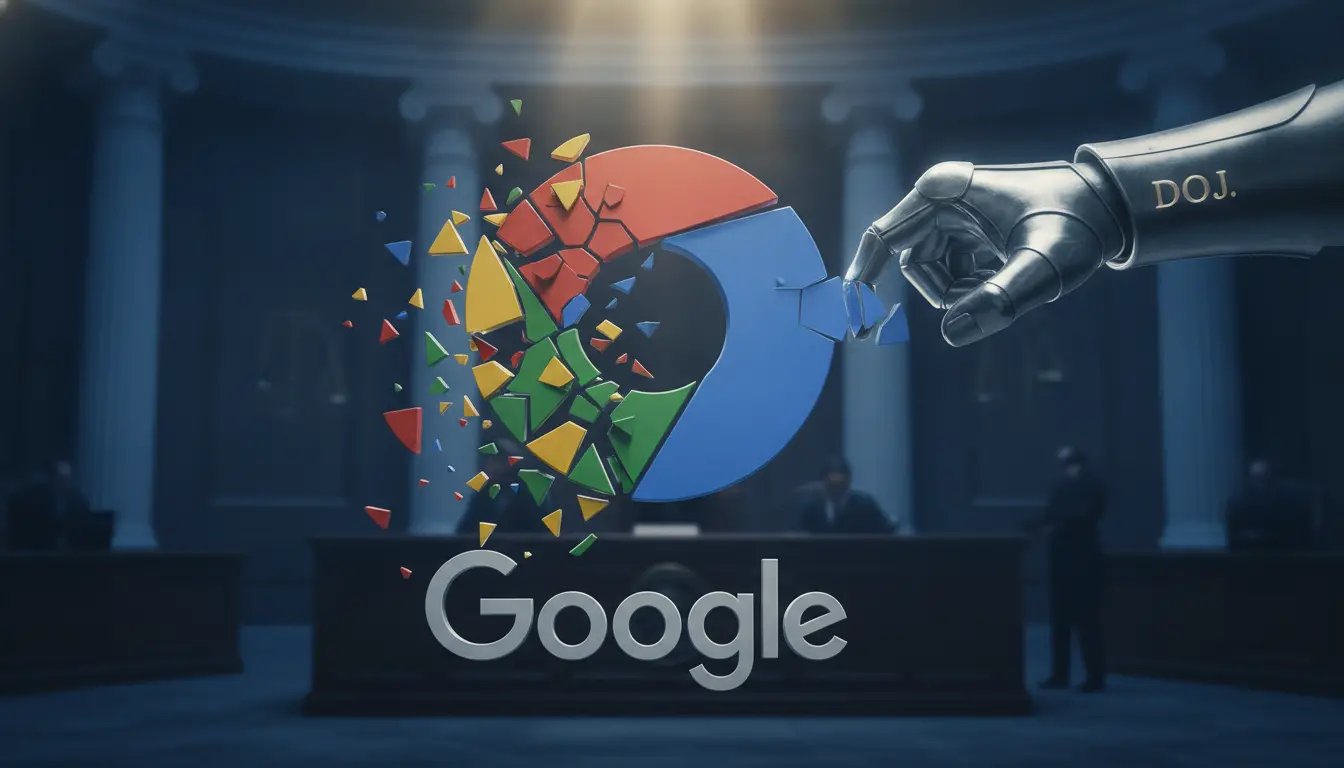
US Justice Department Pushes for Chrome Browser Divestiture in Landmark Google Antitrust Case