

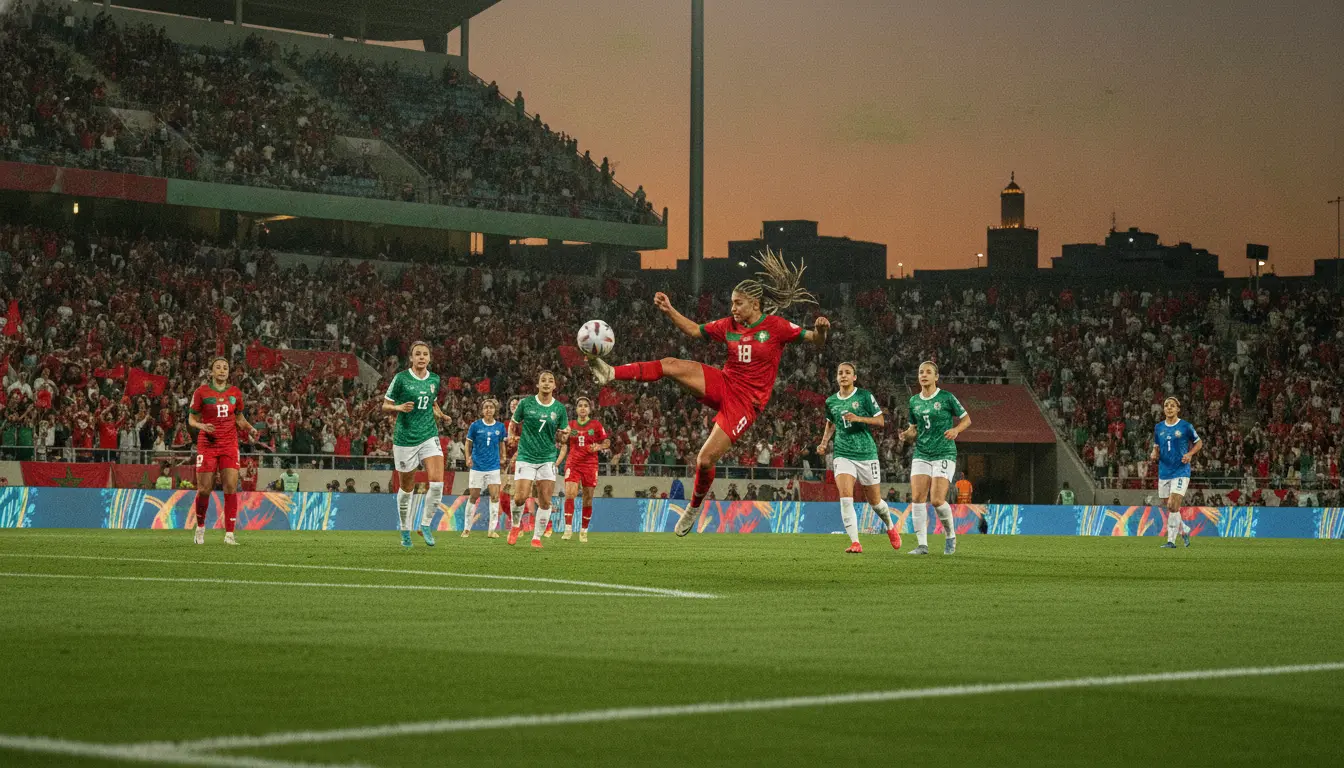
Morocco Kicks Off Record 16-Nation WAFCON as Nigeria and South Africa Lead Title Chase
The 2026 Women’s Africa Cup of Nations officially got under way in Morocco this week, with a record 16 teams competing for the continent’s most prestigious women’s football trophy. Hosts Morocco, defending champions Nigeria, and perennial contenders South Africa have emerged as the early frontrunners in a tournament that marks a significant milestone for African women’s football. The expanded format, which doubles the previous eight-team field, reflects the rapid growth of the women’s game across the continent and comes just months before the next FIFA Women’s World Cup.
Morocco, who reached the round of 16 at the 2023 Women’s World Cup, enter the tournament with the advantage of home support and a squad that has gained invaluable international experience. The Atlas Lionesses, coached by Reynald Pedros, have built on their historic World Cup run with a series of strong performances in friendlies and regional qualifiers. Their opening match in Rabat drew a capacity crowd, underscoring the growing popularity of women’s football in the North African nation. Nigeria’s Super Falcons, the most successful team in WAFCON history with 11 titles, are aiming to reclaim the crown after a disappointing fourth-place finish in 2022. Under new head coach Randy Waldrum, the team has blended experienced stars like Asisat Oshoala with a crop of talented youngsters emerging from the domestic league and European clubs.
South Africa’s Banyana Banyana, the reigning champions after their historic 2022 triumph, are determined to defend their title despite a challenging group draw. Coach Desiree Ellis has maintained the core of the squad that won the 2022 edition, including captain Refiloe Jane and star forward Thembi Kgatlana, who recently returned from a long-term injury. The team’s preparation has been disrupted by a contract dispute with the South African Football Association, but players have insisted they are focused on the tournament. Other teams to watch include Cameroon, Ghana, and Zambia, all of whom have invested heavily in women’s football development programs in recent years.
The expansion to 16 teams has been widely praised by African football officials as a step toward greater inclusivity and competitiveness. The Confederation of African Football (CAF) has also increased prize money and broadcast coverage, with matches being streamed live across multiple platforms for the first time. However, the tournament has not been without controversy. Several teams have complained about inadequate accommodation and training facilities, while concerns over pitch quality in some venues have been raised by coaches. CAF has pledged to address these issues, but the logistical challenges of hosting a 16-team tournament across multiple cities remain significant.
For Morocco, hosting WAFCON is part of a broader strategy to establish itself as a hub for women’s football in Africa. The country has invested in grassroots programs, built new stadiums, and launched a professional women’s league. The success of the national team has inspired a generation of young girls to take up the sport, and local officials hope the tournament will accelerate that momentum. Meanwhile, Nigeria and South Africa are locked in a fierce rivalry that has defined African women’s football for the past decade. Their potential meeting in the knockout stages would be a highlight of the competition.
As the group stage unfolds, the tournament is already delivering drama and upsets. Underdogs such as Tanzania and Botswana have shown they are no longer pushovers, while traditional powerhouses like Ghana have struggled to find their rhythm. The expanded format means that every match carries weight, with only the top two teams from each group advancing to the quarterfinals. The knockout rounds promise intense battles, with the final scheduled for July 25 at the Mohammed V Stadium in Casablanca.
The 2026 WAFCON is more than just a football tournament; it is a statement about the rise of women’s sport in Africa. With record participation, growing investment, and passionate fan support, the continent is signaling its ambition to compete on the global stage. The winner will not only lift the trophy but also earn a direct berth to the 2027 FIFA Women’s World Cup, adding an extra layer of significance to every match. For now, all eyes are on Morocco, where history is being written one game at a time.
Stay Informed. Act Smarter.
Get weekly highlights, major headlines, and expert insights — then put your knowledge to work in our live prediction markets.
Related News

South Africa vs Czechia LIVE: World Cup 2026

As Berlin Prepares for 2026, Global Contenders Emerge to Challenge USA's Reign in Women's Basketball

Outpoll Weekly Recap: Sport (August 3 – 9, 2026)

Outpoll Weekly Recap: Sport (August 10 – 16, 2026)
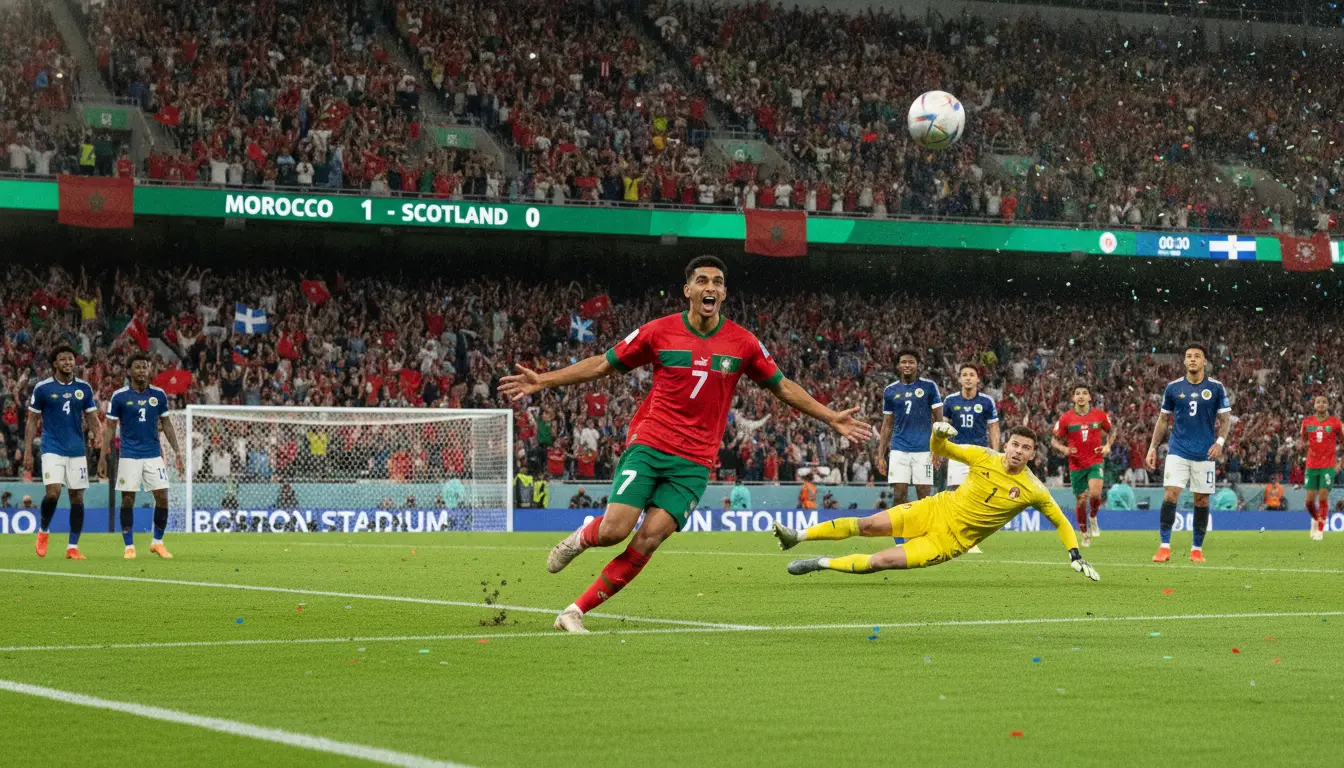
Morocco beat Scotland 1–0 as Saibari scores fastest World Cup 2026 goal
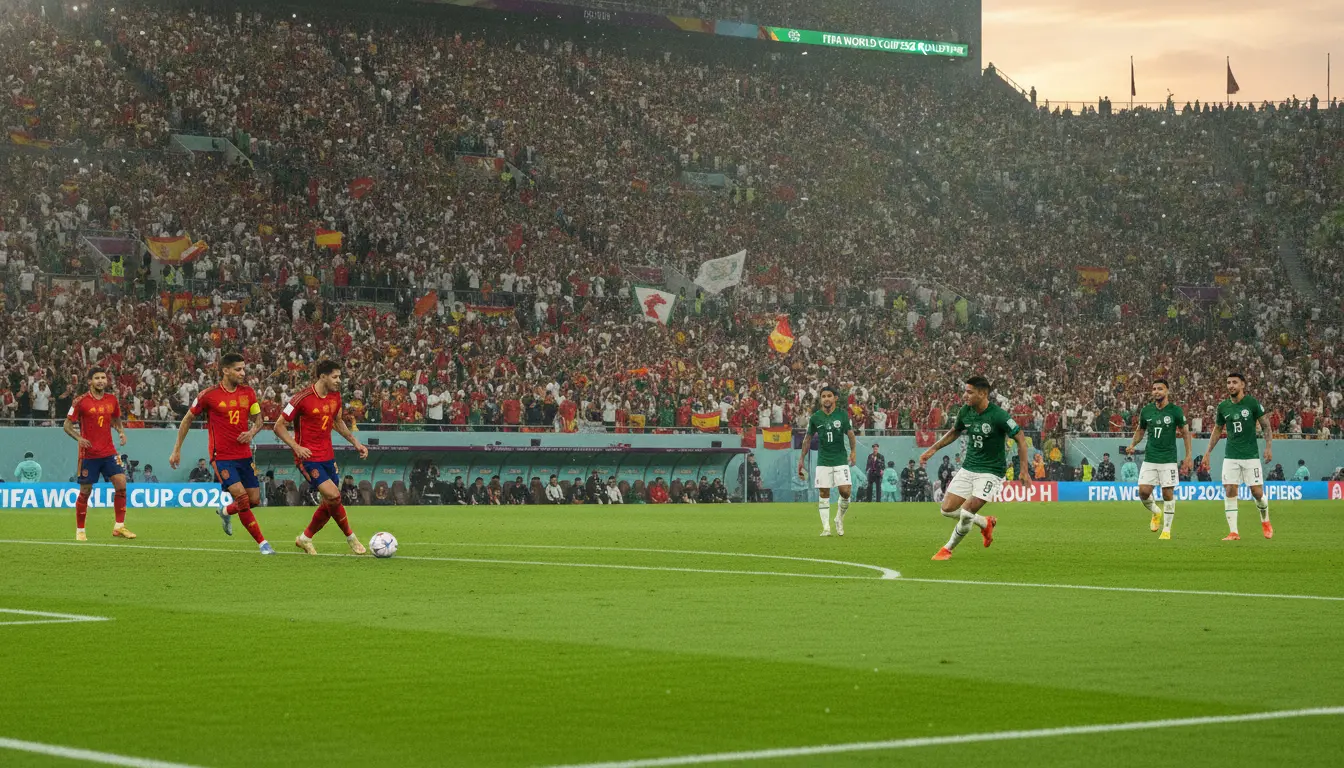
Spain vs Saudi Arabia LIVE: World Cup 2026

Brazilian Giants Flamengo and Cruzeiro Gear Up for Monumental Copa Libertadores Round of 16 Showdown
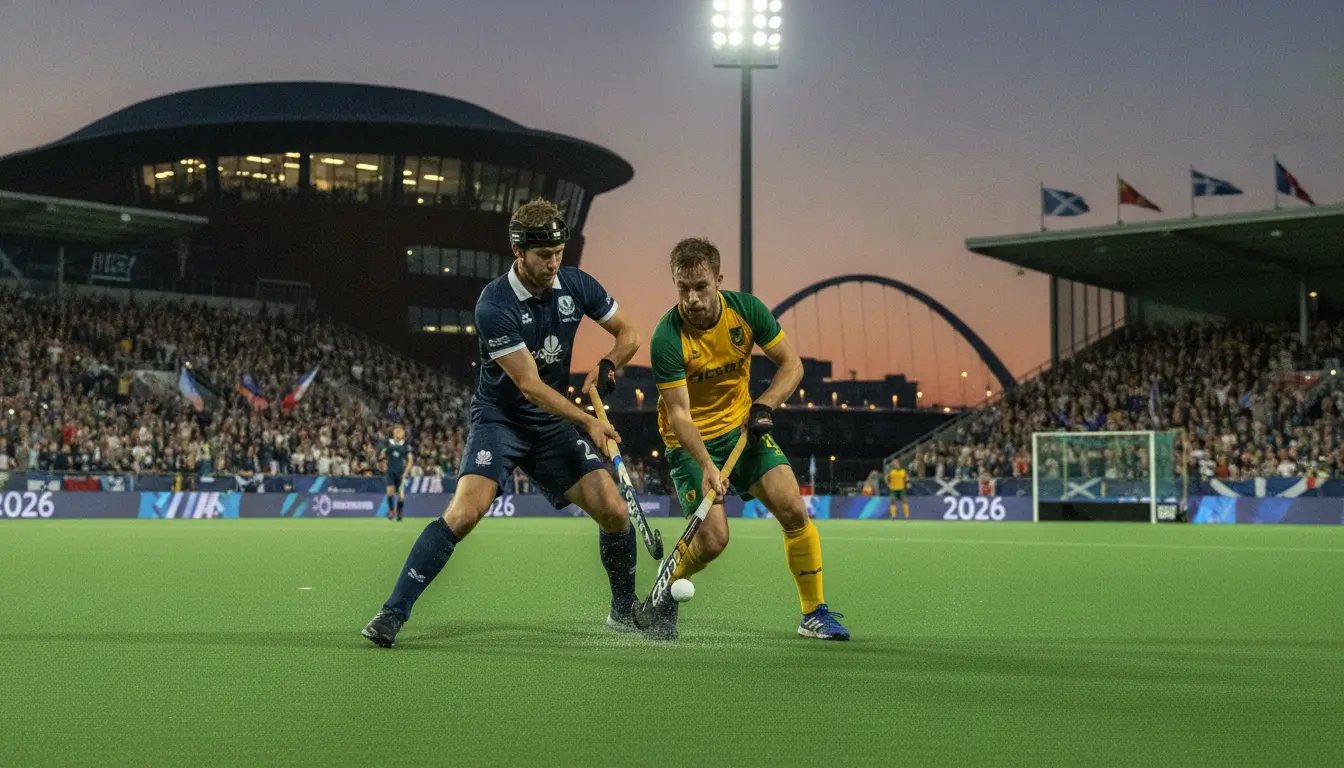
Glasgow Prepares for Intense Men's Field Hockey Gold Medal Showdown at 2026 Commonwealth Games

LIVE: Spain vs Saudi Arabia – World Cup 2026

Las Vegas Aces Eye Historic Three-Peat as WNBA Title Race Heats Up