ScienceneuroscienceMemory and Learning
Why Your New Year's Resolutions Need 'Cues,' According to Science
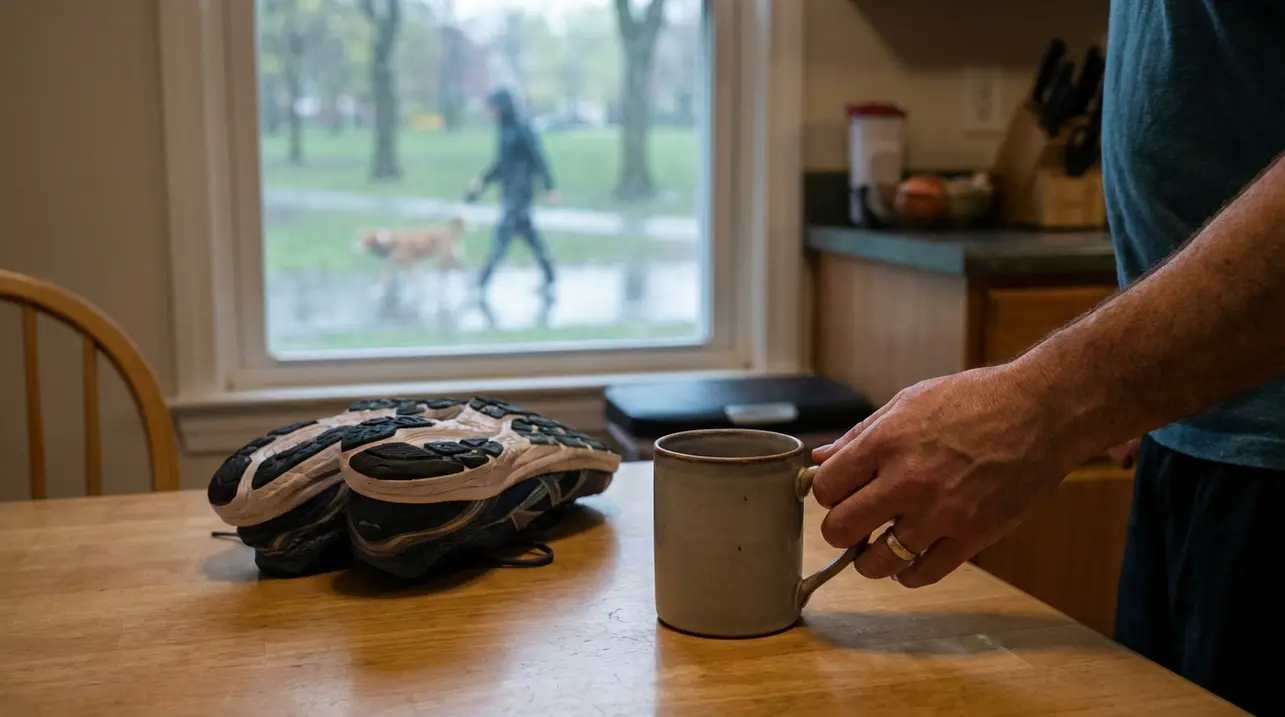
There's a difference between making a New Year's resolution and actually sticking to one, a gap as wide and familiar as the first week of January optimism and the quiet surrender of mid-February. We've all been there, drafting that list with the fervor of a fresh start, only to watch our best intentions dissolve into the ether of daily routine.But what if the secret to bridging that chasm isn't just more willpower, but something far more mundane? According to behavioral science, the missing link is often a simple 'cue'—a specific, consistent trigger that tells your brain it's time to enact that new habit. Think of it not as a grand declaration of change, but as setting the stage for it.I've spoken to dozens of people about their annual pledges, from the friend who vows to run a marathon to the colleague determined to learn a language, and the pattern is revealing. Those who succeed rarely talk about Herculean effort; instead, they describe almost ritualistic triggers: lacing up their running shoes the moment their morning alarm sounds, or placing their language app icon right next to their email on their phone's home screen.This isn't just anecdotal; it's the cornerstone of the habit loop popularized by researchers like Charles Duhigg—cue, routine, reward. The cue is the ignition.Without it, even the most beautifully planned routine is a car without a key. A psychologist I interviewed put it beautifully: 'We overestimate our conscious motivation and underestimate the architecture of our environment.' Your resolution to read more won't survive if the book is buried in a drawer; but if you place it on your pillow every morning, you've built a physical prompt that bypasses decision fatigue. The science suggests making these cues obvious, specific, and tied to an existing part of your day.Instead of 'I will meditate,' try 'After I pour my morning coffee, I will sit at the kitchen table and meditate for five minutes. ' Here, the existing habit (pouring coffee) naturally cues the new one.It’s about designing your surroundings to make the right action the easiest action. This approach shifts the focus from a test of character—which can feel daunting and personal when we fail—to a puzzle of design, which is neutral and solvable.It acknowledges that we are creatures of context, our behaviors deeply woven into the fabric of our daily environments. So this year, before you commit to another list of lofty goals, pause.Ask yourself not just *what* you want to do, but *when* and *where* you will do it. What will be the reliable signal that launches you into action? That small, deliberate piece of engineering might just be the quiet, unglamorous hero your resolution has been waiting for.
#featured
#new year's resolutions
#habits
#behavioral science
#psychology
#cues
#motivation
#goal setting