AIresearch & breakthroughsScientific Discovery via AI
China Launches AI Science System to Rival US Genesis Mission
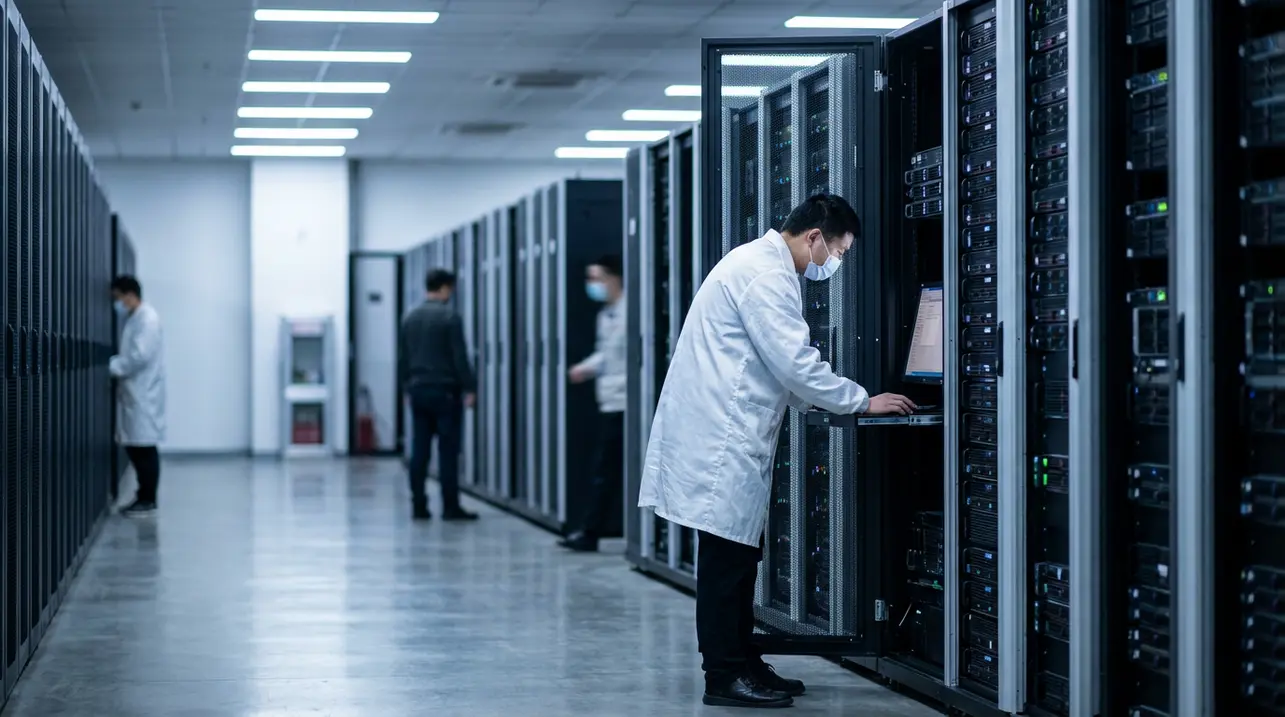
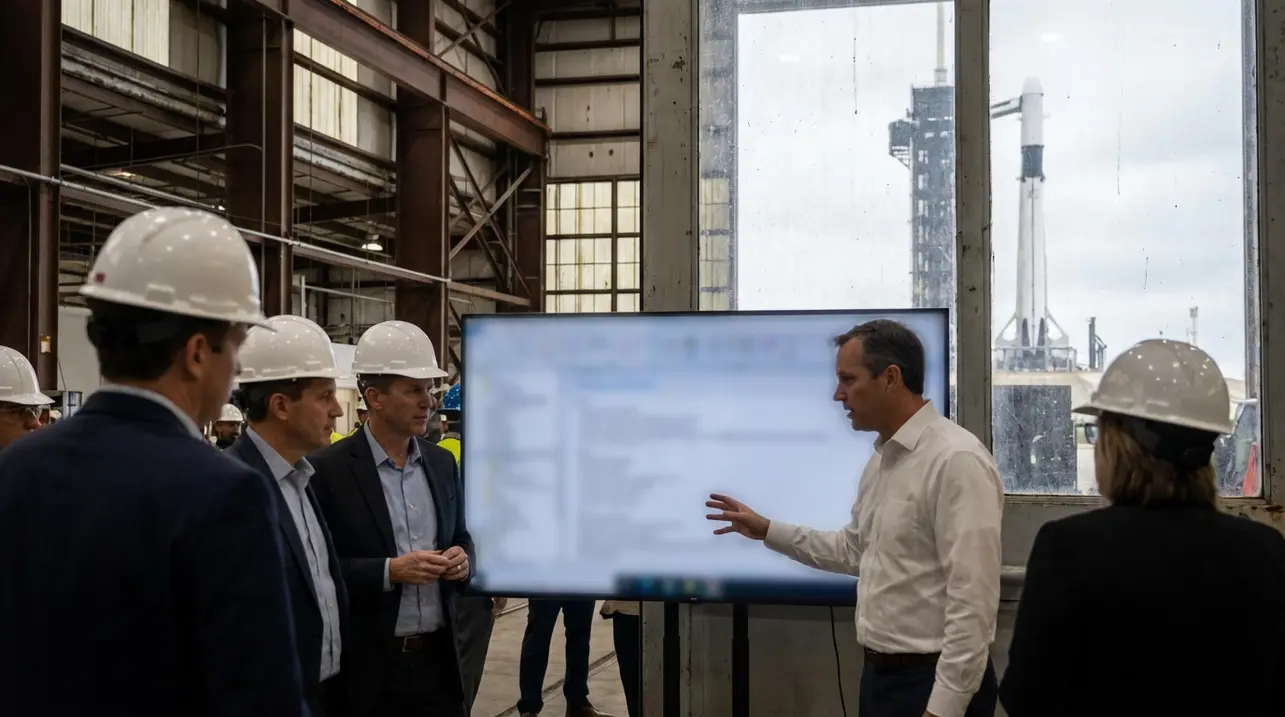
In a move that crystallizes the intensifying technological cold war, China has officially launched a super-powered artificial intelligence system, engineered to directly interface with its national supercomputing infrastructure and autonomously conduct high-level scientific research. The deployment of this AI science system, which went live on December 23, arrives just a month after the United States, under the Trump administration, unveiled its own 'Genesis Mission'—an initiative framed as an 'AI Manhattan Project' with the explicit goal of securing American technological supremacy.This parallel development isn't merely coincidental; it's a strategic gambit in a high-stakes race where computational might and algorithmic sophistication are the new currency of global power. While the U.S. plan, as reported, is bound by aggressive timelines demanding proof of progress within 270 days, China's approach appears more deeply integrated, leveraging its established state-directed model to marshal resources across its sprawling Sunway and Tianhe supercomputing networks.This isn't just about building a faster model; it's about constructing an entire research ecosystem where AI acts as a primary investigator, potentially formulating hypotheses, designing simulations in fields from quantum chemistry to climate modeling, and parsing results at a scale and speed unattainable by human teams alone. The implications are profound.For decades, the paradigm of scientific discovery has been human-led, with computers as tools. China's system suggests a shift toward AI as a collaborative partner, or even a director, in the research process itself.This mirrors ongoing debates in AGI circles about the role of AI in epistemic workflows, but here it is being operationalized at a national level. The U.S. Genesis Mission, by contrast, seems born from a sense of reactive urgency, a classic Silicon Valley-style 'moonshot' aimed at leapfrogging competition.The Chinese model, however, benefits from top-down coordination that can seamlessly align academic institutions, state-owned tech champions, and military-civil fusion projects, reducing the friction often seen in Western public-private partnerships. Experts like Dr.Helen Zhou, a computational policy analyst at the Stanford Center for International Security, note that the real contest lies not just in raw petaflops but in data access and architectural ingenuity. 'China's advantage may be its ability to feed this AI system with vast, proprietary datasets from its domestic research corpus, which is often walled off from global academia,' Zhou explains.
#China AI system
#supercomputing network
#Genesis Mission
#US AI dominance
#research policy
#featured