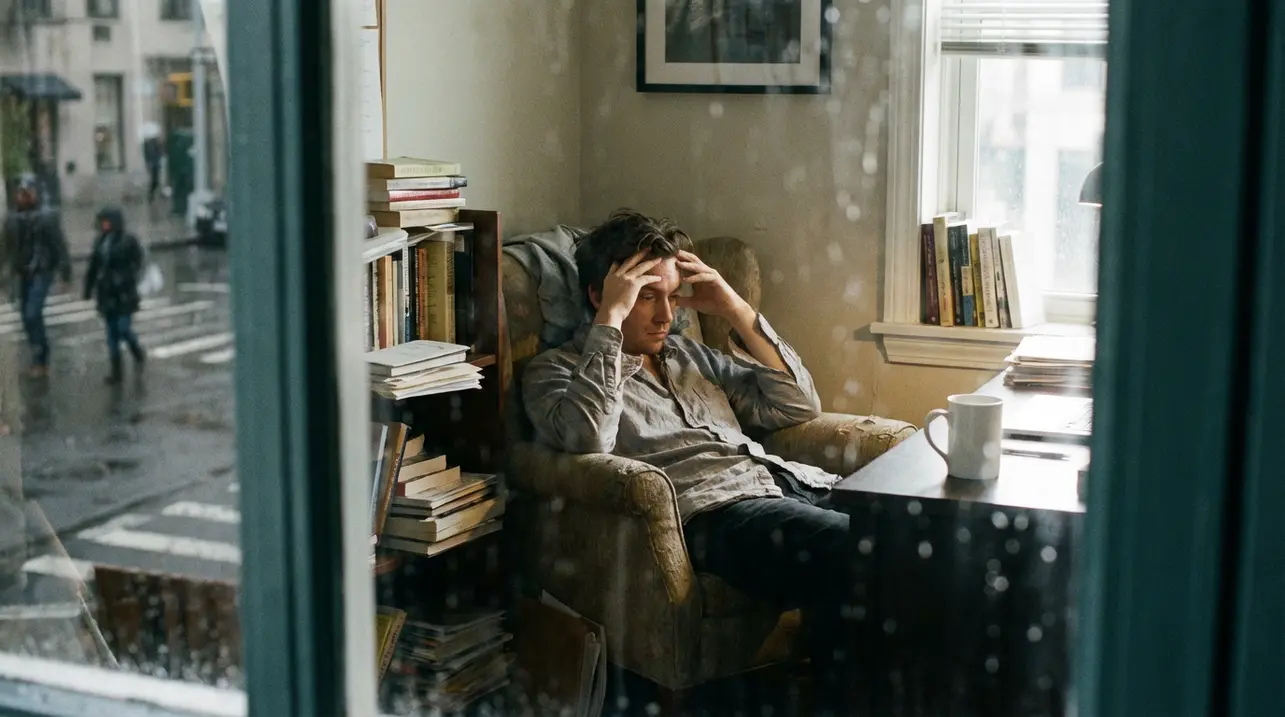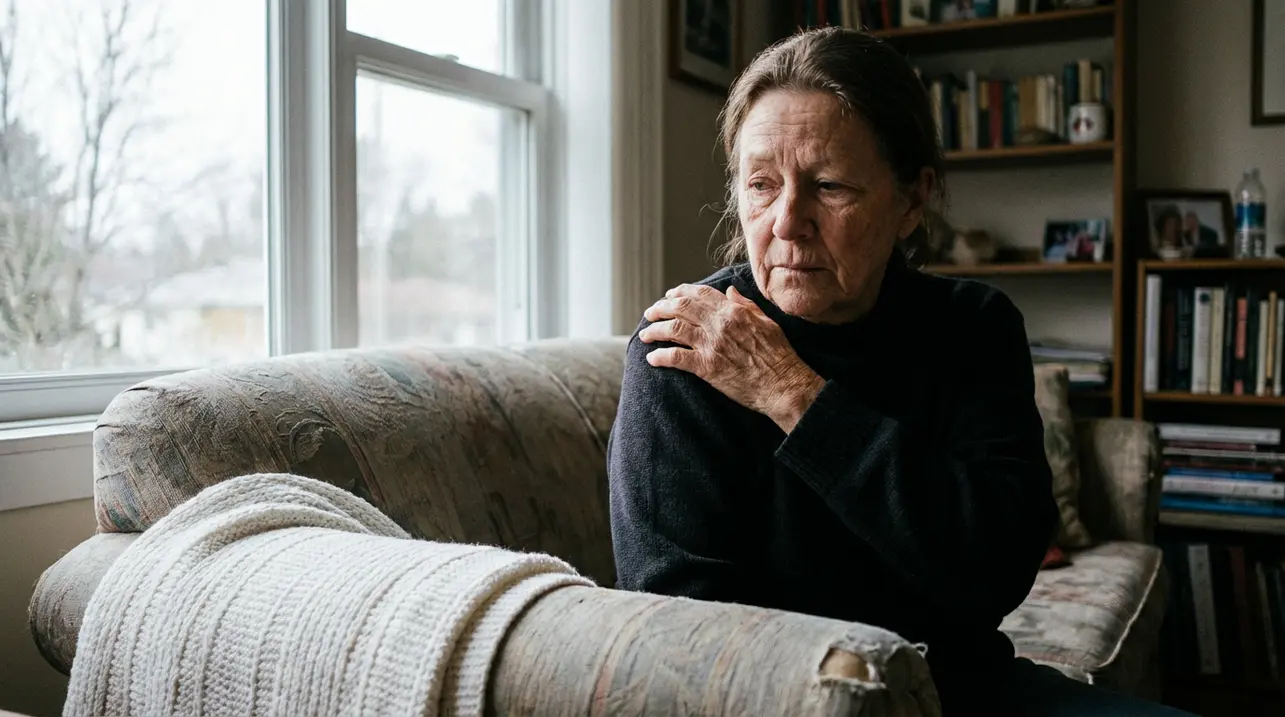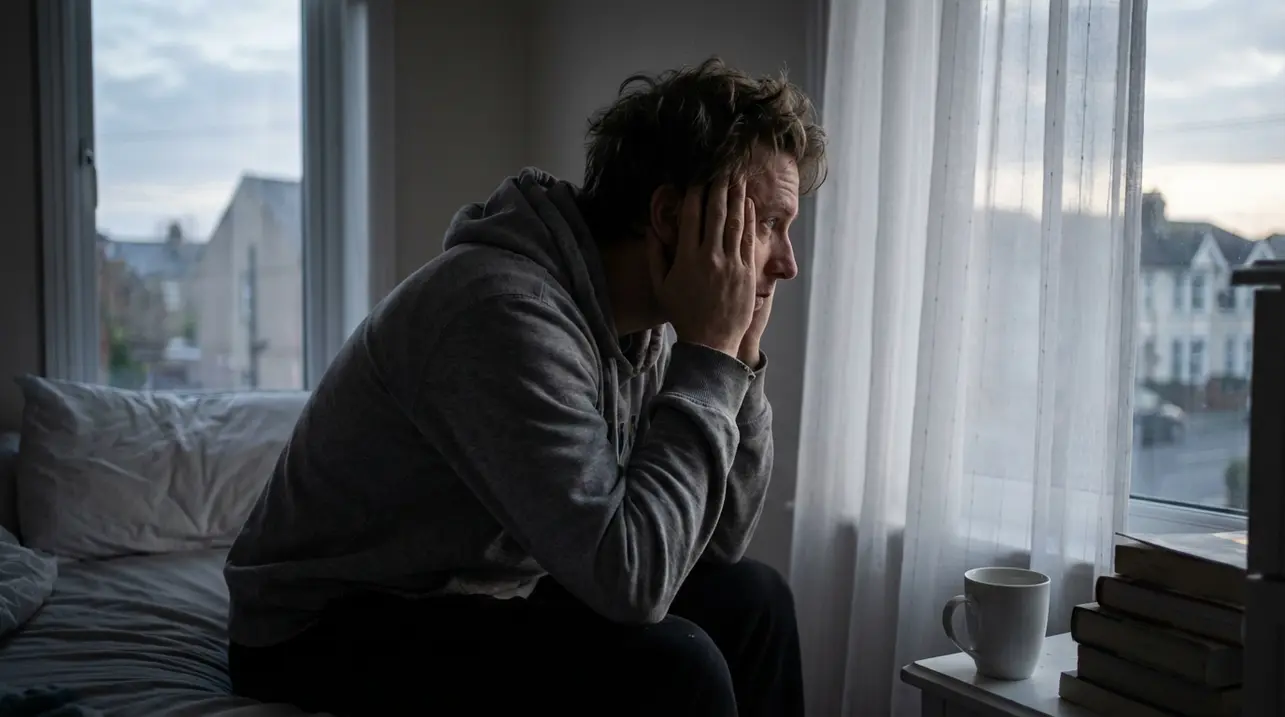
We all know the feeling of lying awake in the dark, the mind churning not just over the day’s events, but over bigger, heavier questions: Does any of this matter? That search for significance, that 'mattering instinct,' is now being explored in fascinating new ways, linking it directly to the quiet, essential work our brains do while we sleep. It’s not just about rest; it’s about the subconscious processing that stitches together our sense of purpose and self.This philosophical idea is finding practical footing in our everyday lives. Consider the simple, human act of trying to get comfortable.For side sleepers, a poorly designed pillow can mean a night of restless tossing, a physical discomfort that disrupts the very mental restoration we crave. Innovations like the Openhagen SleePods aren't just products; they're responses to a fundamental human need for physical ease to facilitate deeper, more meaningful rest.Then there's the societal rhythm that throws us all off—Daylight Saving Time. That groggy, disconnected feeling we collectively share each spring is more than an inconvenience; it’s a public health reminder of how fragile our circadian balance is.Experts scrambling to offer mitigation strategies highlight a broader truth: we’re in a constant negotiation between our biological wiring and the world we’ve built. What’s emerging is a holistic picture, one I see in conversations with people from all walks of life.They’re connecting the dots between a good night's sleep, the technology that enables it, and the profound emotional and cognitive clarity that follows. It’s a story about mental health, productivity, and ultimately, about understanding that quiet, persistent voice inside us that asks for meaning, a voice that perhaps speaks most clearly when the rest of the world is asleep.
#sleep
#consciousness
#neuroscience
#wellness
#circadian rhythm
#featured
Stay Informed. Act Smarter.
Get weekly highlights, major headlines, and expert insights — then put your knowledge to work in our live prediction markets.