SciencebiologyEvolution and Ecology
Study: Menopause Alters Female Attraction to Male Traits
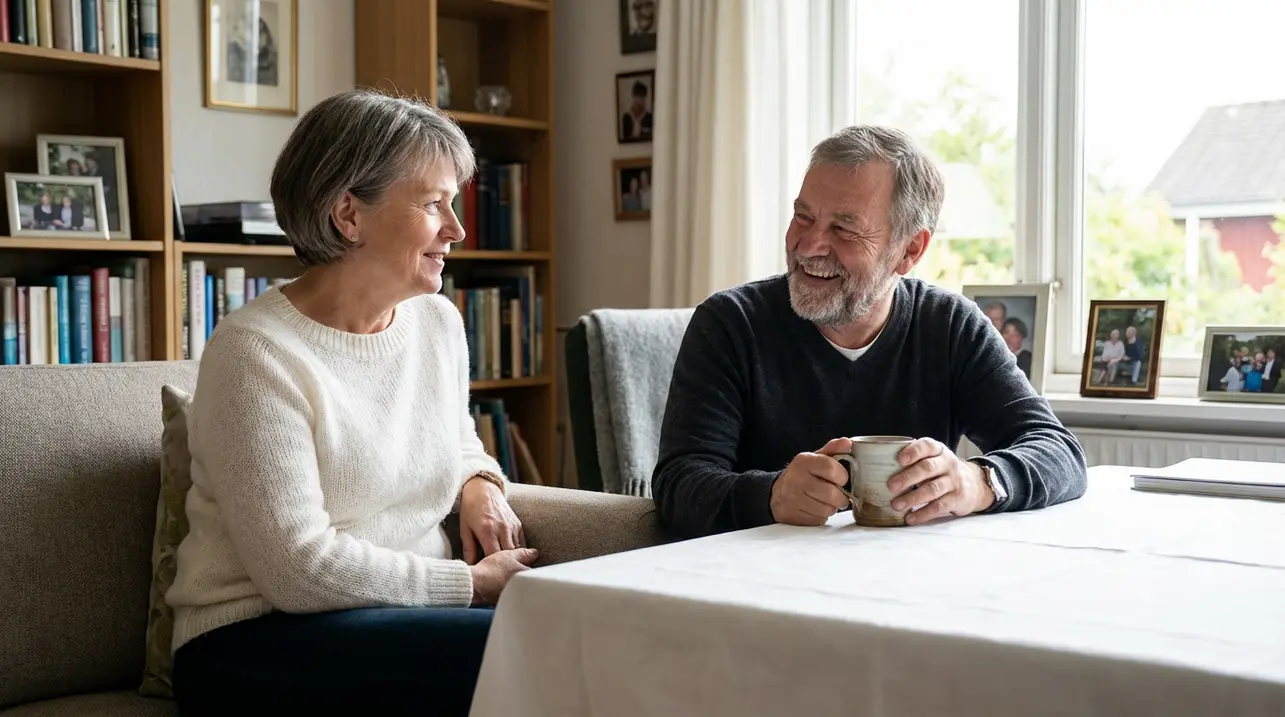
Menopause is often framed as a checklist of symptoms—hot flashes, sleepless nights, a general recalibration of the body's internal thermostat. But new research suggests its influence runs far deeper, subtly rewiring something as fundamental as attraction.A study published in Adaptive Human Behavior and Physiology posits that as women transition through menopause, their preferences for certain male physical traits can evolve, a shift rooted not in caprice but in a profound biological and psychological pivot. This isn't about superficial taste changing with age; it's a fascinating glimpse into how our life stages actively sculpt our social and relational compass.The research taps into evolutionary psychology's long-standing observations about mate selection, where traits like pronounced jawlines, broader shoulders, and other markers of high testosterone have been linked to perceptions of dominance and genetic fitness. For women of reproductive age, these cues can signal a potential partner who offers robust genes for offspring.But menopause, by definition, marks the end of reproductive capacity. So, what happens to the filter through which potential partners are viewed? The study implies a recalibration, where the premium placed on overt signals of genetic fitness may diminish, making way for other qualities—stability, nurturing capacity, resourcefulness—to rise in prominence.It’s as if the internal dashboard’s warning lights change; the alert for ‘prime genetic contributor’ might dim, while the gauges for ‘reliable co-pilot’ and ‘skilled navigator of life’s later chapters’ glow brighter. This doesn’t render attraction obsolete, of course.It complexifies it. A woman might find herself drawn less to the classic, dominant features and more to faces that exude kindness, empathy, or signs of shared experience.It’s a move from a potential co-parent to a confirmed partner-in-arms for the decades ahead. To understand this, I spoke with several women in their fifties and sixties, who, unprompted by any study, echoed its findings.Sarah, a 58-year-old teacher, put it plainly: ‘In my twenties, I’ll admit, a certain type of rugged, almost challenging masculinity caught my eye. It was exciting.Now, I look at my husband—and other men—and I’m drawn to the laugh lines around the eyes, the calm in their posture, the sense that they’ve weathered storms and haven’t hardened. It’s a quiet strength that speaks to me now, not a loud one.’ This anecdotal evidence aligns with the science, suggesting the study is quantifying a lived, human experience. The implications ripple outward, challenging simplistic narratives about aging and desire.
#menopause
#attraction
#evolutionary biology
#human behavior
#research
#featured