Scienceresearch policyAcademic Publications
Traversal: New Book Explores Science, Art, and Life's Big Questions
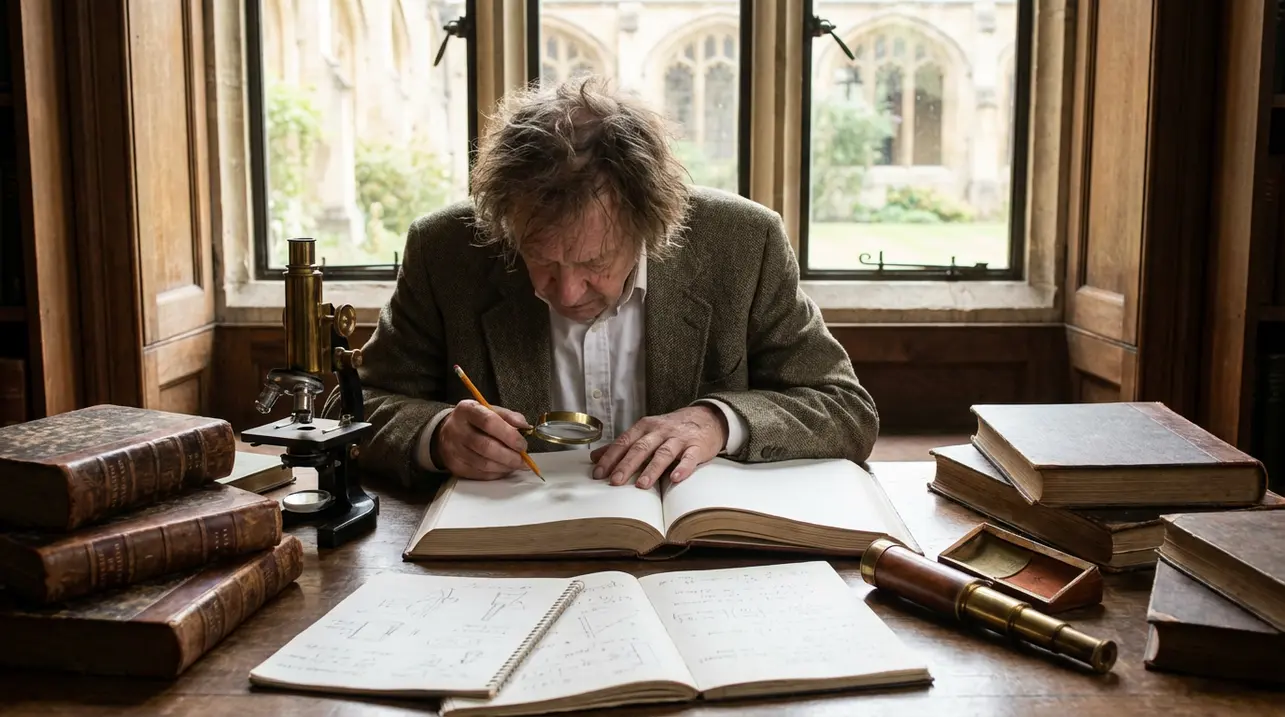
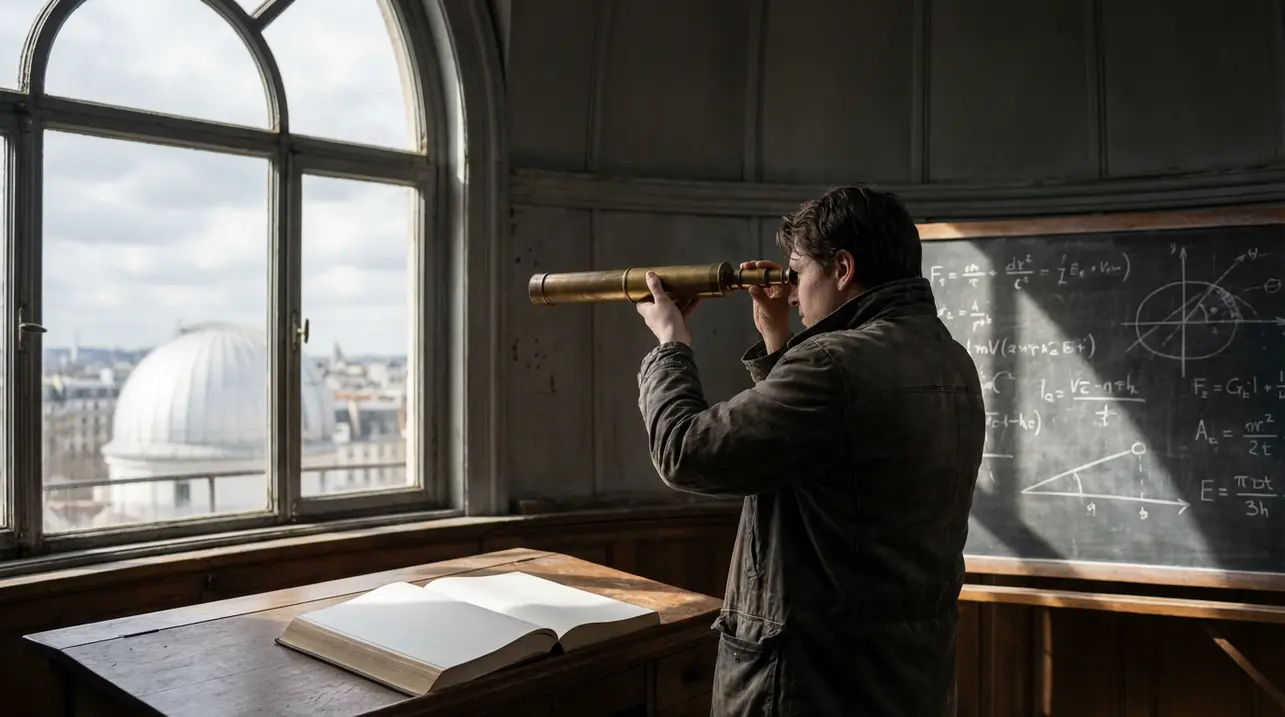
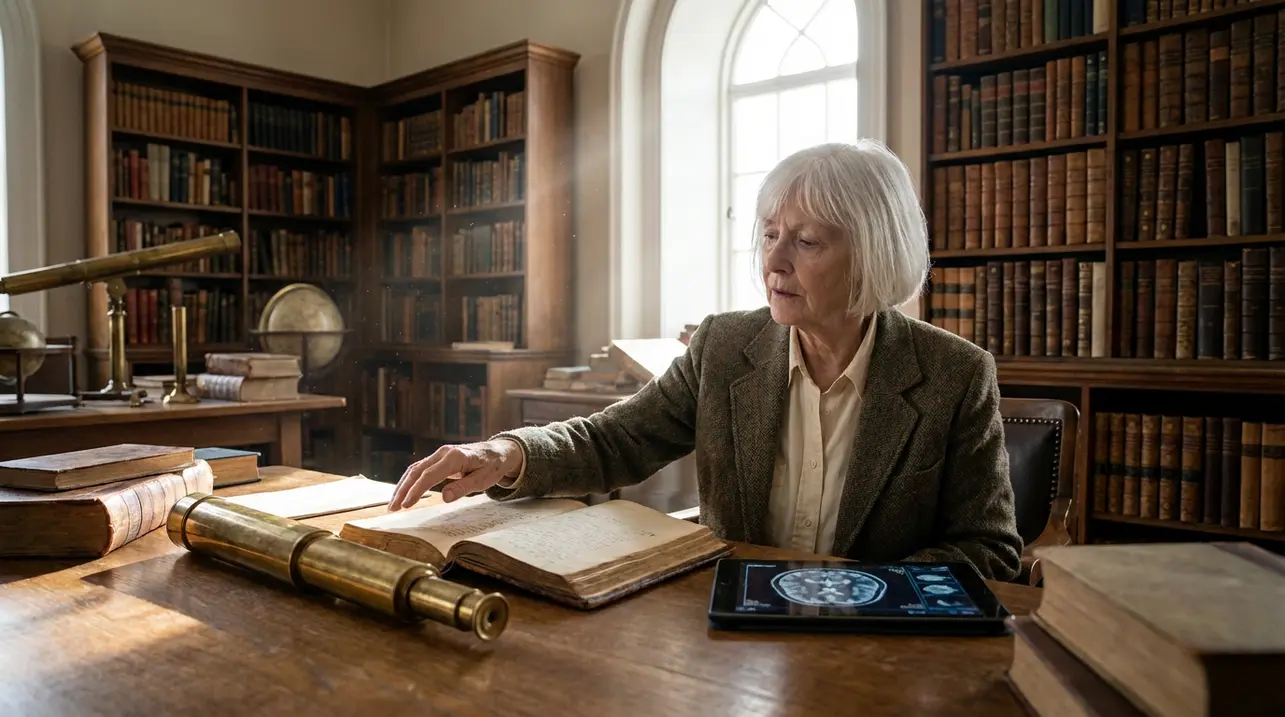
In the vast library of human inquiry, where the shelves groan under the weight of our accumulated knowledge, a new volume arrives that seeks not just to add another book, but to map the very architecture of the library itself. *Traversal*, the latest from FSG, is a profound expedition into the connective tissue between science, art, and the existential puzzles that define our being.It builds upon the foundation laid by the author's previous work, *Figuring*, plunging deeper into the currents that shape a life: the interplay of random chance and deliberate choice in our becoming, the enigmatic bridge between the chemistry of our brains and the luminous phenomenon of consciousness, the eternal tug-of-war between our pursuit of truth and our hunger for power, and how we navigate the profound restlessness of our desires alongside the quiet, hard-won redemption found in our losses. This isn't a book of easy answers; it's a masterclass in asking better questions, using the full spectrum of human tools at our disposal.Through its pages, we see our instruments of understanding—from the cold, precise lens of a telescope scanning the cosmos to the fevered, metaphorical lines of a poem grappling with grief—revealed in both their staggering power and their humbling limitations. The narrative achieves this not through abstract treatise, but by weaving together the intertwined lives, loves, and enduring legacies of visionaries, some celebrated by history, others unjustly sidelined.It’s in the biographical tapestry of these individuals—the astronomer who also wrote sonnets, the mathematician who found equations in love letters—that the book’s central thesis comes alive: that knowledge is not a series of isolated silos, but a sprawling, interconnected ecosystem. Think of it as the intellectual equivalent of the James Webb Space Telescope peering back to the dawn of galaxies; *Traversal* aims to look back at the history of ideas to understand the first light of our own big questions.It argues that to comprehend the universe, or ourselves, we cannot rely solely on data or dogma. We need the empirical rigor of the lab notebook and the intuitive leap of the artist’s sketchbook, operating in concert.The book likely draws parallels between the scientific method's hypothesis-testing and an artist's iterative process, suggesting both are forms of traversal across the unknown. Expert commentary from historians of science and philosophy would underscore this, noting how figures like Leonardo da Vinci or Ada Lovelace embodied this synthesis long before our modern disciplines became so rigidly partitioned.The possible consequences of engaging with such a work are personal and societal: it challenges the reader to break down the walls between the so-called 'two cultures' of the sciences and the humanities, proposing that our most pressing problems—from climate crisis to ethical AI—require this fused perspective. Analytically, the book positions itself not as a conclusion, but as a compass.
#editorial picks news
#book release
#philosophy
#science and art
#intellectual history
#Maria Popova
#Figuring
#Traversal