SciencebiologyEvolution and Ecology
The Cosmic Fluke: How Love Defies a Universe of Odds
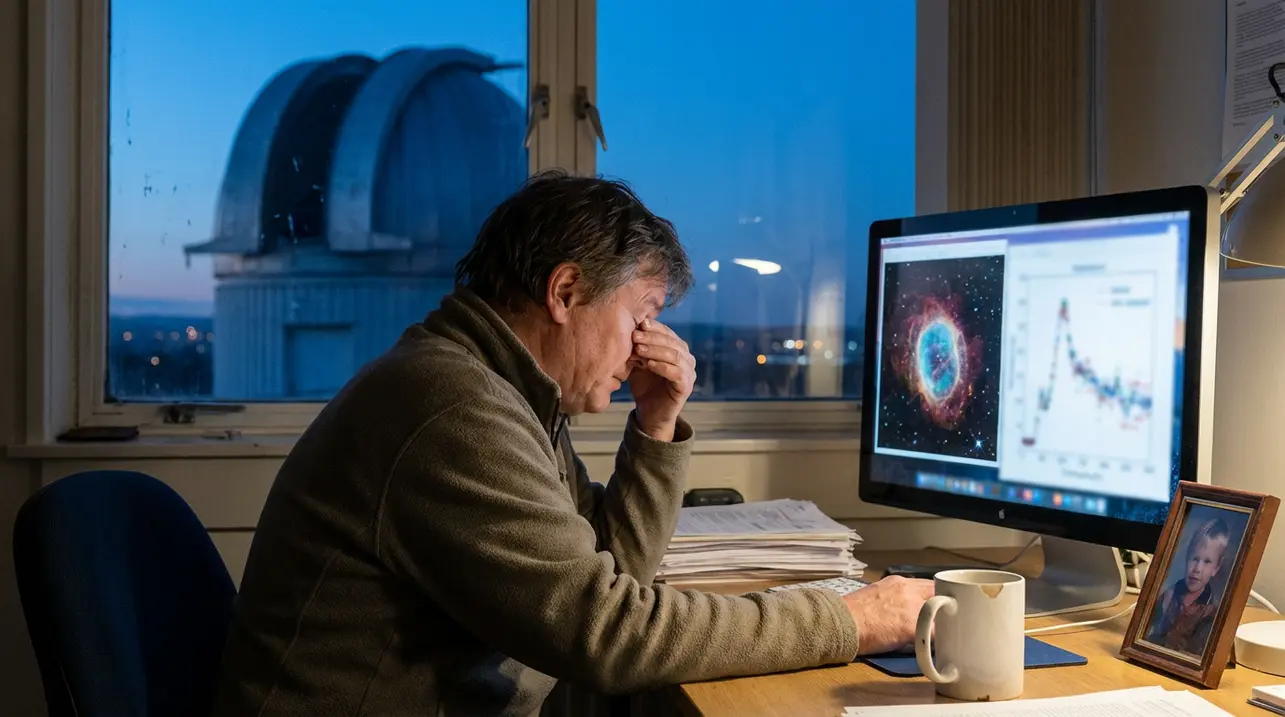
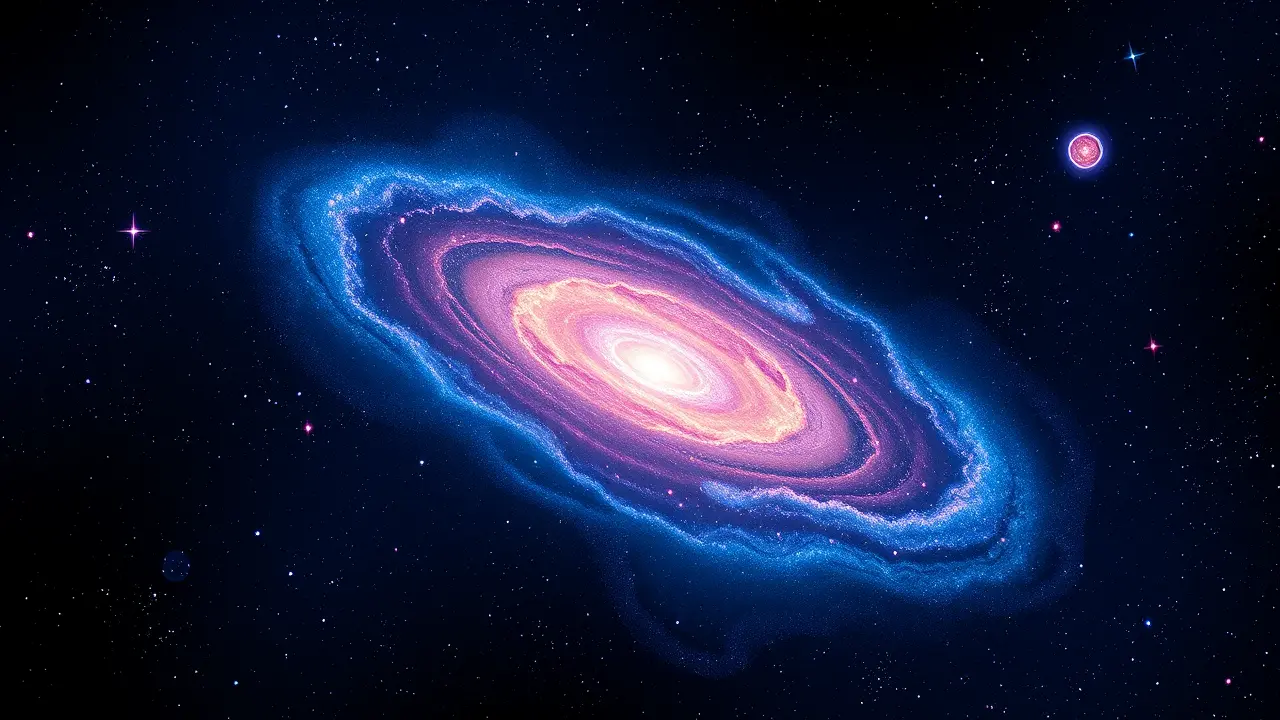
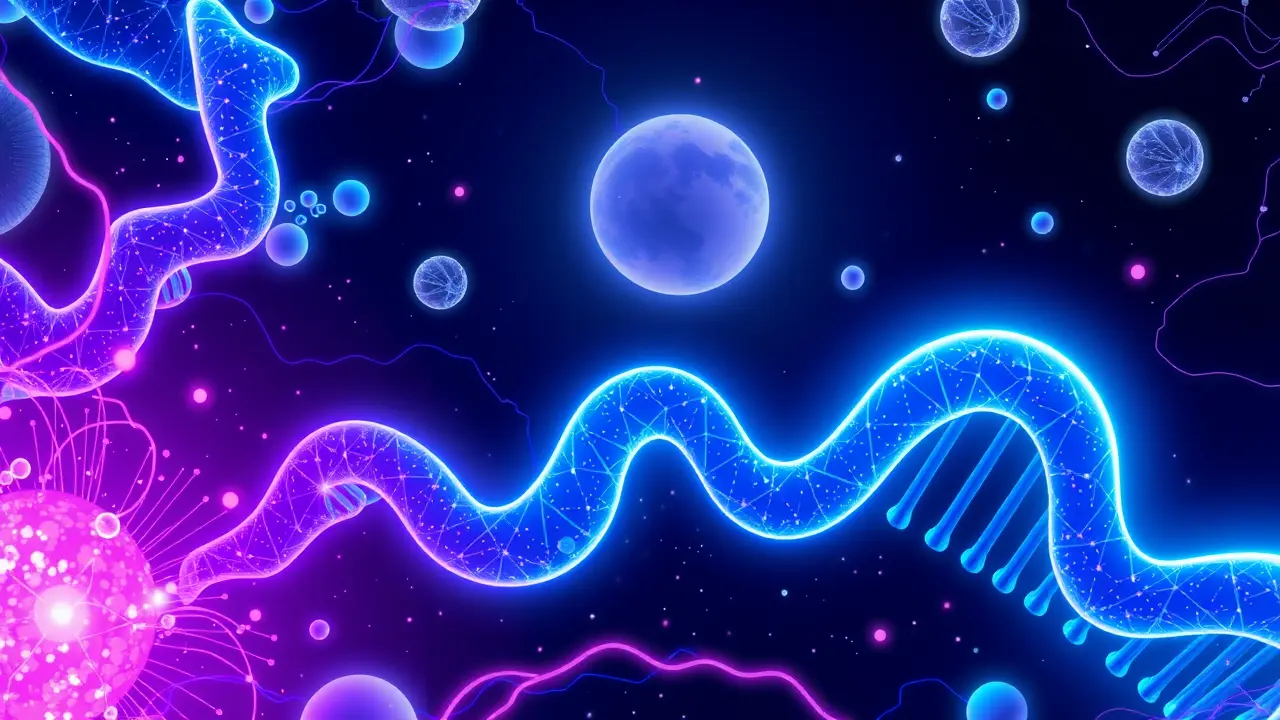
The odds were never in its favor—this scarred, orbiting rock circling an unremarkable star. From a cosmic viewpoint, the emergence of life here was a near-impossible statistical anomaly.Yet, against the cold calculus of probability, Earth blossomed with mitochondria and symphonies, with mountains and consciousness. Consider the hummingbird: its wings beat with a biomechanical precision too fast for the human eye to see, a miracle evolved from eons of chance.That eye itself is another marvel, its lineage tracing back through 500 million years from simple light-sensitive cells to an organ that now gazes upon the galaxies of its own origin. Our planetary narrative is etched in these breathtaking scales.Observe the patient orange lichen, a fusion of fungus and algae, creeping across a basalt boulder two hundred times slower than the continental plates below grind their tectonic dance—a movement measured in centimeters per year, yet forceful enough to raise mountain ranges and forge new seas. Then, witness the profound grief of the marbled orca, carrying her deceased calf across an ocean, a testament to an emotional depth that mirrors our own.This is the exquisite paradox of existence: a universe ruled by entropy and indifferent physical laws has, through a staggering series of accidents, generated consciousness, art, and tenacious love. It is a story beyond fiction.Astrophysics frames our world as a pale, insignificant dot. Physics did not require life; it merely permitted a vanishingly slim window where life's complex chemistry could ignite.The leap from inert matter to a self-replicating cell was a fluke of astronomical magnitude. But once that spark took hold, the blind algorithm of evolution composed a symphony of increasing complexity, culminating in neural networks capable of pondering their own beginnings.This is more than biology; it is a cosmic phenomenon. Compress the universe's history into a single year, and all of human civilization occupies the final seconds of December 31st.In that fleeting instant, we have written sonatas, constructed supercolliders, and launched voyagers to the interstellar void. The lichen's slow creep and the drift of continents remind us of the immense, patient timelines we inhabit, while the hummingbird's frenzy and the human mind's creativity showcase the vibrant energy those timelines can unleash.The orca's mourning, seen in other intelligent species, reveals the emotional richness that complexity can foster—a richness that seems to rebel against cosmic indifference. As visionaries like Carl Sagan proposed, our purpose may be to serve as the universe's mechanism for self-awareness.
#evolution
#life
#nature
#biology
#poetry
#featured
#earth
#consciousness
#love