Scienceclimate scienceRenewable Energy Research
China expands power grid for AI and green energy goals.
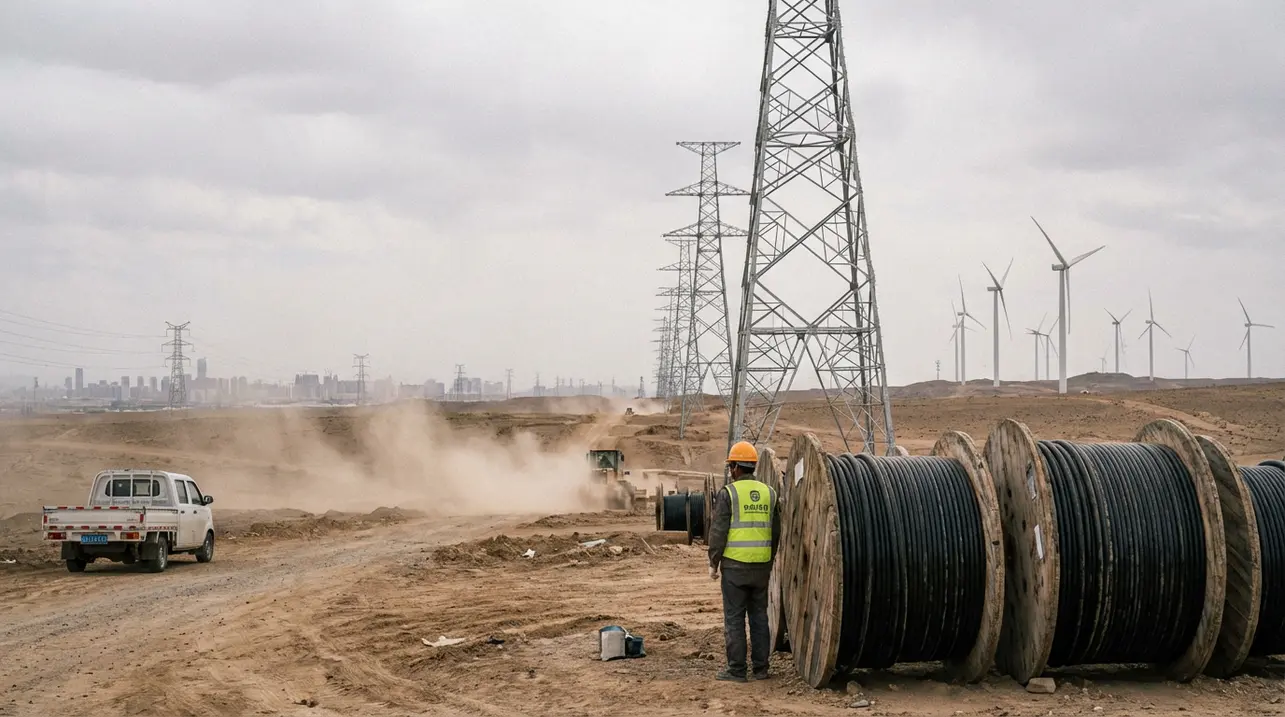
China's ambitious plan to expand its west-to-east power transmission network to over 420 gigawatts by 2030, while boosting renewables to 30% of total electricity output, represents a critical infrastructure play with profound implications for its dual ambitions in artificial intelligence and a greener economy. This directive, issued by the National Development and Reform Commission and the National Energy Administration, is far more than a routine grid upgrade; it's a foundational bet on energy as the ultimate enabling technology.For the AI sector, which is notoriously power-hungry—with large language model training runs consuming energy on par with small cities—a reliable, high-capacity, and increasingly clean power grid is not a luxury but a prerequisite for global competitiveness. The strategic calculus is clear: by strengthening long-distance transmission from resource-rich western provinces, where solar and wind potential is vast, to the eastern coastal megacities housing tech hubs and data centers, China is effectively future-proofing its energy architecture.This move mirrors historical infrastructural leaps, akin to the U. S.interstate highway system's role in economic expansion, but for the digital age. Experts note that while the 30% renewable target is aggressive, the real innovation lies in the grid's smart management and storage integration, challenges where AI itself is being deployed for predictive load balancing and efficiency gains.The potential consequences are multifaceted: domestically, it could alleviate the perennial strain that has led to industrial power rationing, while internationally, it positions China to potentially export both green energy technology and AI compute capacity. However, the scale invites scrutiny—the environmental and social costs of such massive construction in ecologically sensitive western regions, the geopolitical leverage gained through energy independence, and the race against time as AI's computational demands continue their exponential climb. This isn't merely an energy policy; it's a deliberate orchestration of physical and digital infrastructure, where the wires and transformers become the silent, humming backbone of national strategy in the 21st century.
#China
#power grid
#renewable energy
#west-to-east transmission
#AI demand
#energy policy
#infrastructure
#weeks picks news