A popular “essential” medicine may be putting unborn babies at risk

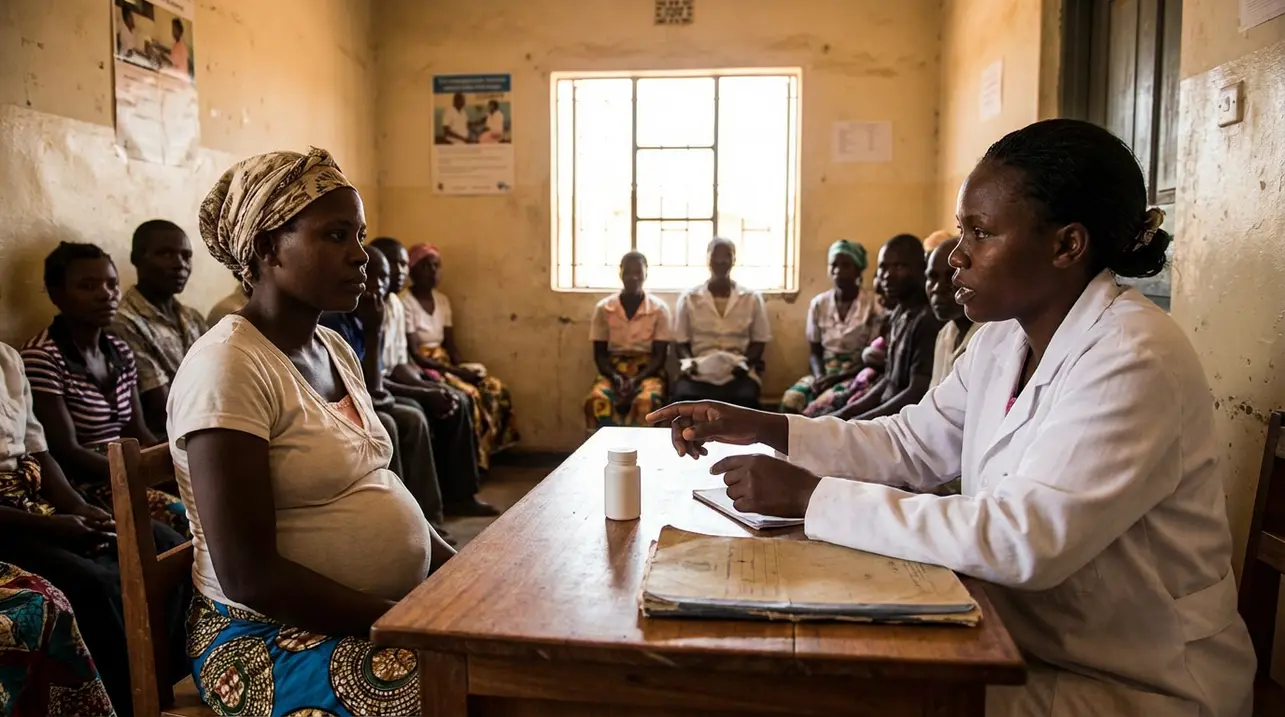
A sobering global health review spanning 73 nations reveals a deeply troubling paradox in neurological care: while access to antiseizure medications is expanding, the parallel adoption of safe prescribing practices is dangerously lagging, leaving a generation of unborn children vulnerable. The study underscores that valproate, a drug long-established to cause severe birth defects including neural tube defects, congenital malformations, and developmental disorders, remains a first-line treatment in numerous regions despite unequivocal warnings from the World Health Organization.This isn't merely a statistical anomaly; it's a systemic failure with profound human consequences. The crux of the crisis lies in the stark disparity in global healthcare infrastructure.In many low- and middle-income countries, limited access to newer, safer antiepileptic alternatives forces clinicians and patients into a heartbreaking choice: control debilitating seizures with a known teratogen or risk uncontrolled epilepsy, which itself carries significant risks to both mother and fetus. This creates an ethical quagmire reminiscent of historical pharmaceutical crises, where necessary medications carried hidden, intergenerational costs.Researchers are now sounding a clarion call for a coordinated global response centered on education and robust safeguards. This must extend beyond simply updating formularies to include comprehensive physician training programs, stringent patient consent processes ensuring women of childbearing age are fully informed of the risks, and the development of strengthened pharmaceutical supply chains to guarantee the reliable availability of safer alternatives like levetiracetam or lamotrigine.The data paints a grim ecological picture of medical practice, where outdated protocols persist in clinical ecosystems unable to support newer growth. Without urgent, targeted intervention—funding for drug procurement, international policy harmonization, and community-level health literacy campaigns—millions of potential pregnancies may remain exposed, turning a therapeutic advance into a preventable public health tragedy. The situation demands we look at the entire lifecycle of a drug, from regulatory approval to bedside prescription, through an ecological lens that prioritizes long-term societal health over short-term clinical convenience, ensuring that the medicine intended to heal does not inadvertently harm the most vulnerable.
#lead focus news
#valproate
#birth defects
#antiseizure medication
#global health
#prescribing safety
#WHO warnings
#pregnancy risk
Stay Informed. Act Smarter.
Get weekly highlights, major headlines, and expert insights — then put your knowledge to work in our live prediction markets.
classic case of knowing the problem but not fixing the system, how does this still happen with all our tech seems like we're just good at collecting data but bad at the follow through