


Outpoll Weekly Recap: Politics (August 10 – 16, 2026)
The political landscape, both at home and abroad, vibrated with high-stakes maneuvering this past week, setting the stage for months of intense debate and pivotal decisions. From escalating international trade disputes and fragile ceasefires to burgeoning election battles and unprecedented regulatory challenges for tech giants, the period of August 10-16, 2026, underscored a world grappling with profound shifts in power, technology, and governance. Governments worldwide found themselves navigating a complex web of domestic pressures and global flashpoints, revealing the interconnectedness of national policy and international relations.
Geopolitical tensions remained a dominant theme, particularly concerning the delicate balance of power between the United States and its rivals. Washington significantly ramped up its scrutiny of alleged global complicity in China’s tariff evasion network, signaling an intensification of trade tensions and putting immense pressure on both nations to forge a new comprehensive agreement by year-end. This economic showdown unfolded against a backdrop of military posturing in the Persian Gulf, where fears of direct conflict mounted as the US and Iran escalated their positions, even as a fragile ceasefire extension until August 2026 provided a temporary reprieve from outright hostilities. Meanwhile, diplomatic efforts for a permanent Gaza ceasefire continued amid the protracted conflict, underscoring the Middle East's persistent volatility. In a contrasting move, South Korean opposition leader Lee Jae-myung advocated for a formal peace treaty to officially end the Korean War, a long-standing aspiration for regional stability.
Domestically, the drumbeat of upcoming election cycles grew louder, shaping political discourse and party strategies. The Democratic Party is already poised for a vigorous 2028 presidential nomination contest, with early jockeying and speculation underway. Looking to the nearer future, strategic battle lines are being drawn for control of the US Senate ahead of the crucial 2026 elections, highlighted by a bitter South Carolina Senate runoff where Donald Trump’s endorsement proved defining between Vance and Drummond. Elsewhere, Francesca Hong took an early lead in Wisconsin’s 2026 Democratic Gubernatorial Primary, indicating significant interest in state-level contests. Trump’s enduring influence also remained palpable, with a federal appeals court weighing a challenge to his administration's use of the Alien Enemies Act, and renewed scrutiny facing the Kennedy Center Board over a proposal to name facilities after him, even as former designee Karoline Leavitt shifted from her White House Press Secretary role.
Regulatory scrutiny, particularly concerning the tech sector, intensified across multiple fronts. US Congress intensified efforts to forge comprehensive federal AI regulation, reflecting a growing global consensus on the need for digital governance. This mirrors efforts by the G20, which is accelerating its push for global digital policy consensus, focusing heavily on AI and data governance. Domestically, the Department of Justice continued its aggressive push to break up Google's search advertising empire following an antitrust ruling, while an appeals court considered reinstating the FTC’s landmark antitrust suit against Meta, which also faces a significant youth addiction lawsuit as opening arguments loom. Adding to the regulatory tightening, a Washington judge ordered prediction market platform Kalshi to cease specific offerings deemed as wagers, signaling broader oversight of emergent digital markets.
Across the Atlantic, European politics grappled with its own set of challenges. The Macron government in France found itself navigating persistent instability and under constant threat of collapse from opposition no-confidence votes, fueling early election speculation. In the United Kingdom, Nigel Farage readied for a potential Clacton by-election amid mounting political scandal, while the Labour Party geared up for a significant leadership transition as the 2026 ballot deadline approached. Other nations also saw their political landscapes gearing up for significant changes, with the Kuomintang eyeing a Taipei City Council majority ahead of 2026 local elections, New Zealand preparing for a highly contested 2026 General Election, and Israel's scheduled 2026 legislative elections under the spotlight amid domestic political flux.
As the week closed, the prevailing sentiment was one of flux and high stakes. From the tightening grip of trade wars and the precariousness of global ceasefires to the foundational shifts in digital regulation and the earliest maneuvers of future election campaigns, the political arena remains exceptionally dynamic. The coming weeks will undoubtedly reveal more about the longevity of fragile peace agreements, the depth of regulatory powers over tech giants, and the evolving strategies of political parties vying for control, both nationally and internationally.
Stay Informed. Act Smarter.
Get weekly highlights, major headlines, and expert insights — then put your knowledge to work in our live prediction markets.
Related News

Outpoll Weekly Recap: Politics (August 17 – 23, 2026)
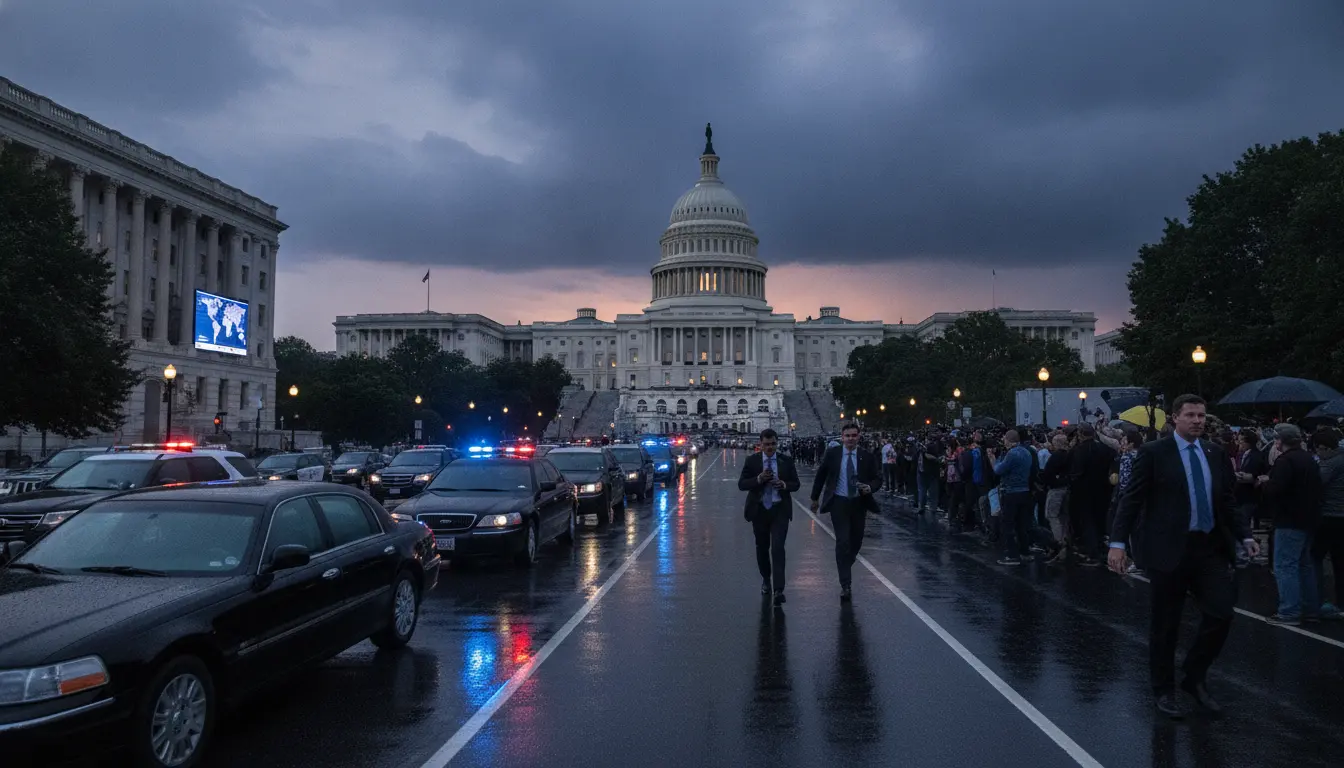
Outpoll Weekly Recap: Politics (August 3 – 9, 2026)

Outpoll Weekly Recap: Politics (August 24 – 30, 2026)
Outpoll Weekly Recap: Politics (June 22 – 28, 2026)

Outpoll Weekly Recap: Finance (August 17 – 23, 2026)

Outpoll Weekly Recap: Finance (August 3 – 9, 2026)

Outpoll Weekly Recap: Finance (August 24 – 30, 2026)
Outpoll Weekly Recap: Politics (June 29 – July 5, 2026)

Outpoll Weekly Recap: Sport (August 3 – 9, 2026)

Outpoll Weekly Recap: Sport (August 10 – 16, 2026)