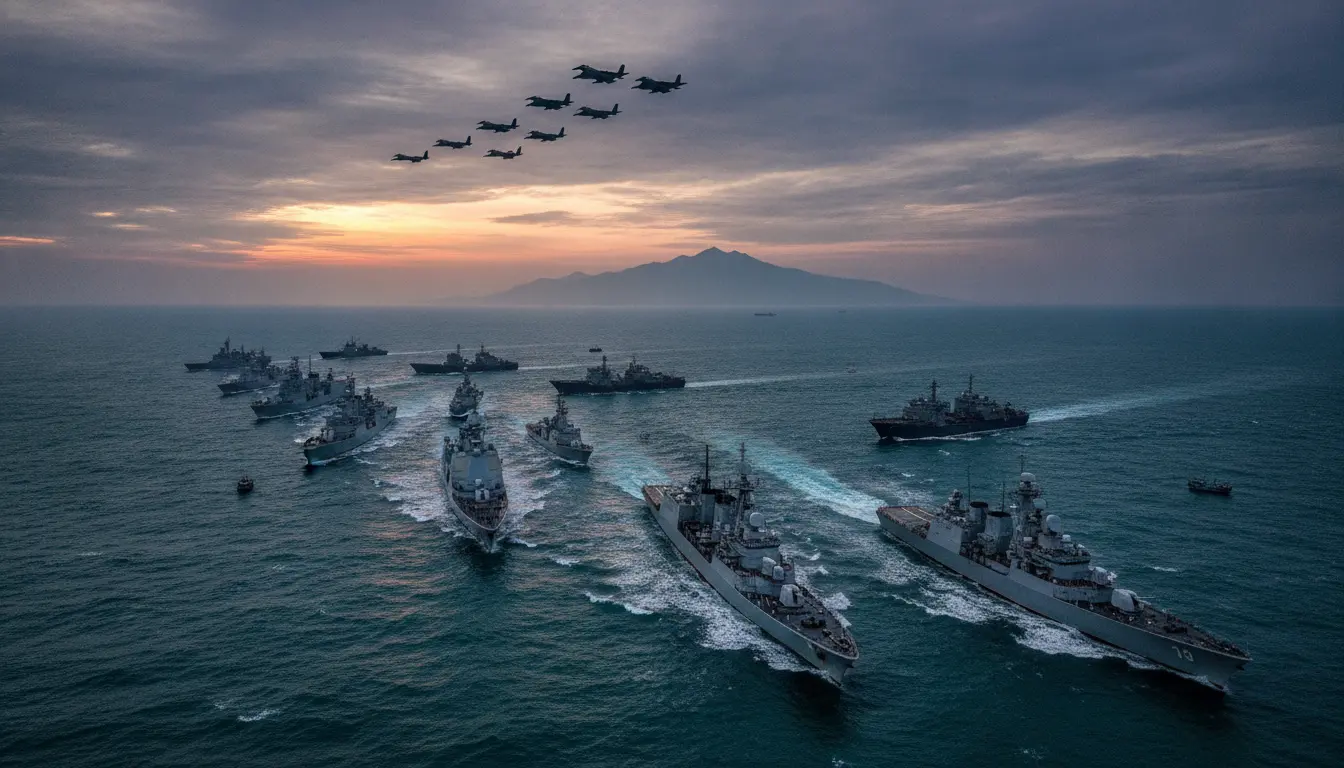
China's Assertive Stance Towards Taiwan Fuels Fears of Blockade or Invasion
Tensions across the Taiwan Strait have reached a boiling point, with Beijing’s increasingly assertive military posturing intensifying global concerns over a potential blockade or even an outright invasion of the self-governed island. The People's Republic of China (PRC) views Taiwan as an integral part of its territory, a renegade province that must eventually be reunified with the mainland, by force if necessary. This long-standing position has been met with steadfast resistance from Taiwan, which operates as a democratic, de facto independent nation with its own elected government and military, enjoying significant, albeit unofficial, international support.
Historically, the dispute originates from the Chinese Civil War, which concluded in 1949 with the Communist Party establishing the PRC on the mainland and the Nationalist Kuomintang government retreating to Taiwan. Beijing's 'One China' principle asserts that there is only one China and Taiwan is part of it, a stance that has underpinned its foreign policy for decades. While many nations acknowledge this principle, a significant number, led by the United States, maintain robust unofficial ties with Taiwan, supplying it with defensive weaponry. This delicate balance, often referred to as 'strategic ambiguity' by Washington, has allowed for stability but is now under unprecedented strain as China's military capabilities rapidly advance and its diplomatic rhetoric sharpens.
Recent years have seen a dramatic escalation in military activity around Taiwan. The People's Liberation Army (PLA) has significantly increased its aerial and naval incursions into Taiwan's air defense identification zone (ADIZ) and across the median line of the Taiwan Strait. These drills, often conducted in response to high-profile visits by foreign dignitaries to Taipei or Taiwan’s increasing engagement with international partners, serve as overt demonstrations of China's readiness and capability to isolate and potentially overwhelm the island. From simulated blockades involving dozens of warships and aircraft to missile tests over Taiwan's main island, each exercise sends a clear message of Beijing's resolve.
The global stakes are enormous. Taiwan is a crucial hub in the global economy, dominating the production of advanced semiconductors, which are vital components for everything from smartphones and artificial intelligence to defense systems. A conflict in the Strait would not only unleash a humanitarian catastrophe but would also trigger an economic shockwave far surpassing any recent global disruption, crippling supply chains and sending ripple effects through every industry worldwide. Furthermore, a military confrontation would inevitably draw in major powers, particularly the United States and its allies like Japan and Australia, potentially igniting a regional, or even global, conflict with catastrophic consequences.
Washington, while adhering to its 'One China' policy, is legally bound by the Taiwan Relations Act to help Taiwan maintain its self-defense capabilities and has repeatedly stated that it would view any attempt by Beijing to determine Taiwan's future by non-peaceful means with grave concern. This commitment has been reinforced through increased arms sales to Taiwan and joint military exercises with regional partners, aimed at enhancing deterrence. However, the precise nature of the U.S. response to a Chinese invasion remains a critical unknown, adding layers of complexity and risk to the geopolitical calculus.
Taiwan's leadership, for its part, continues to advocate for the status quo, rejecting Beijing's 'one country, two systems' framework and emphasizing the island's democratic values and the right of its 23 million people to determine their own future. Taipei has been bolstering its own defense capabilities, implementing reforms to its military service, and investing in asymmetric warfare strategies designed to deter and resist a larger invading force. The coming years are widely seen as a critical period, with the international community closely watching to see if diplomatic efforts can de-escalate tensions or if the region will be plunged into an era of unprecedented instability and potential conflict.
The geopolitical landscape is further complicated by internal political considerations in Beijing, where President Xi Jinping has often linked the ‘reunification’ of Taiwan to his vision of national rejuvenation. Any perceived timeline for action remains speculative, but the confluence of enhanced military capabilities, hardened rhetoric, and a shifting global power balance suggests that the Taiwan Strait will remain a flashpoint, demanding urgent diplomatic attention and careful strategic navigation to avert a crisis of global proportions.
Stay Informed. Act Smarter.
Get weekly highlights, major headlines, and expert insights — then put your knowledge to work in our live prediction markets.
Related News

Apple Navigates Leadership Future Amidst Persistent Speculation on Tim Cook's Tenure

India Confronts Widespread 'Cockroach' Protests Over Exam Fraud, Demands Sweeping Education Reforms
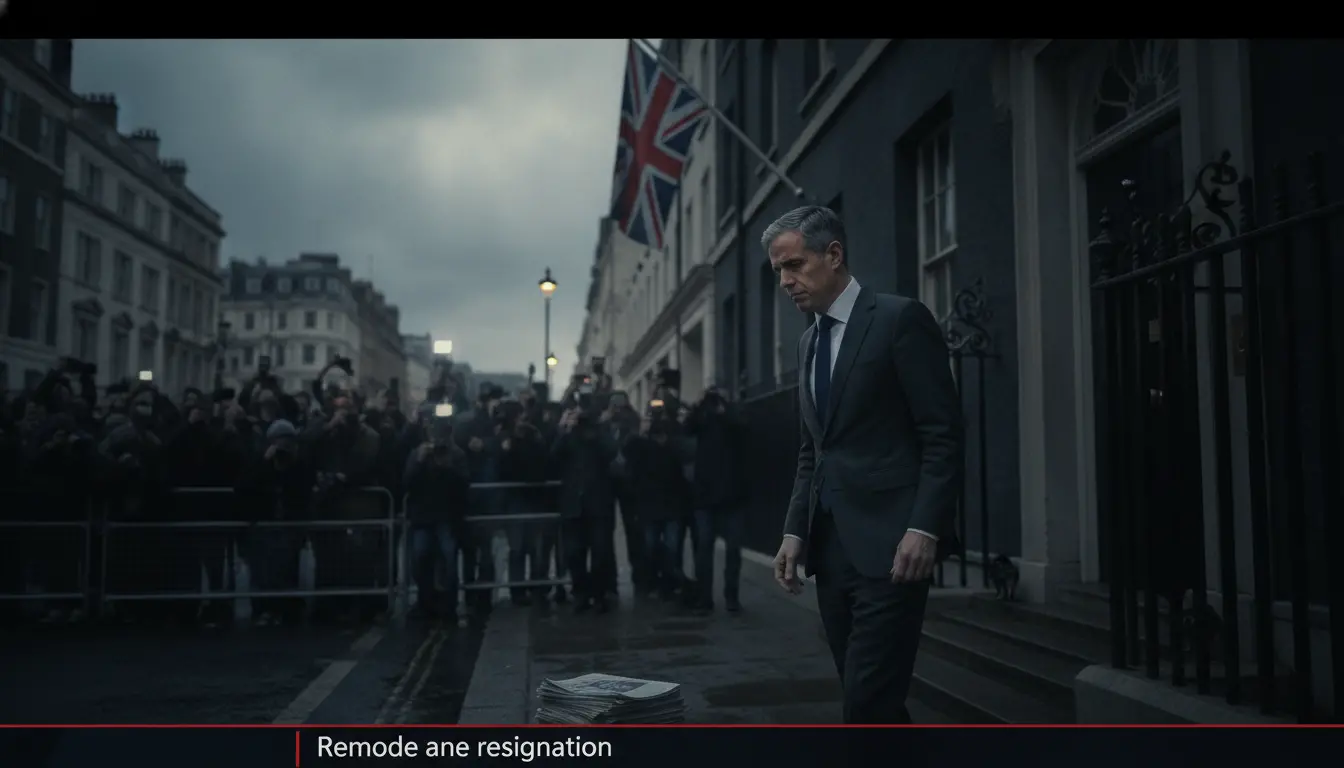
U.K. Prime Minister Keir Starmer Resigns

Microsoft Explores Potential Spin-Offs for Xbox Gaming Studios Amid Broader Corporate Restructuring
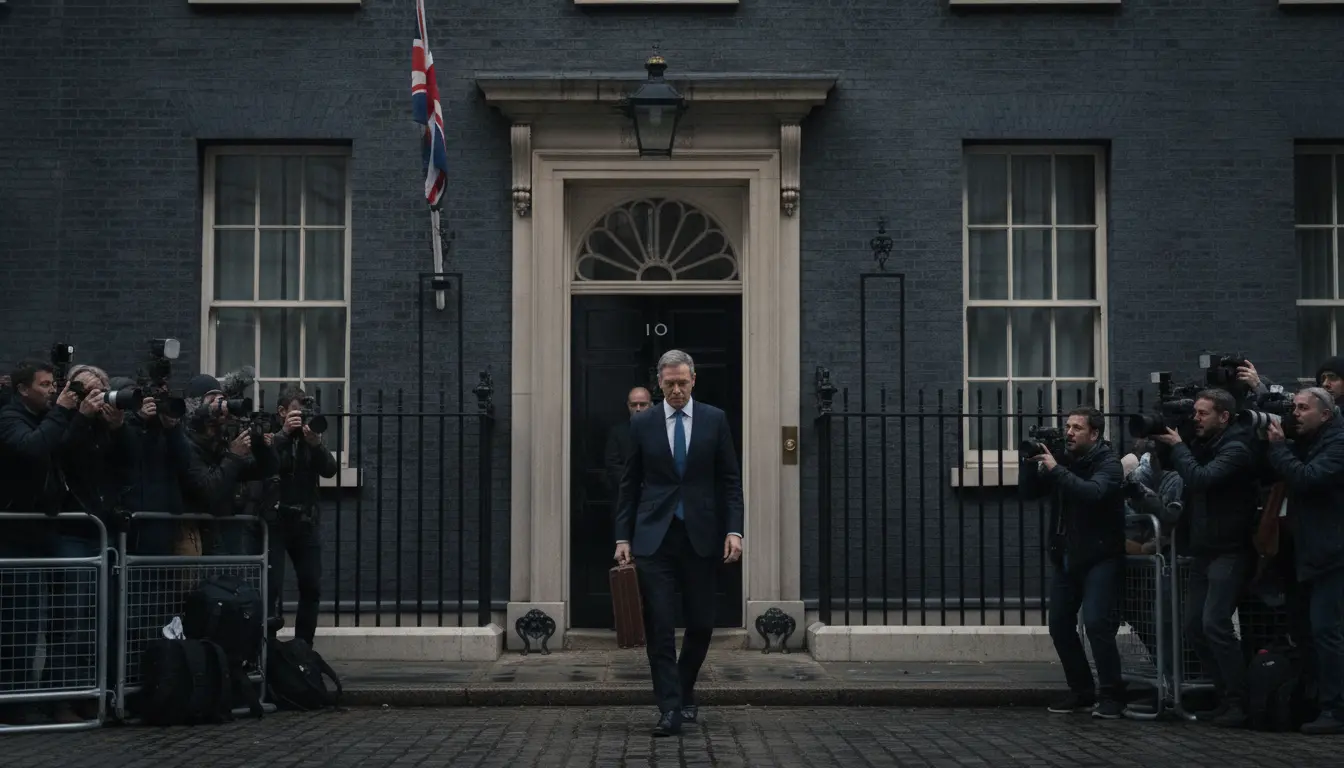
Keir Starmer Resigns as U.K. Prime Minister