Politicshuman rightsRefugees and Migration
UN Reduces 2026 Aid Appeal Following Decade-Low Funding
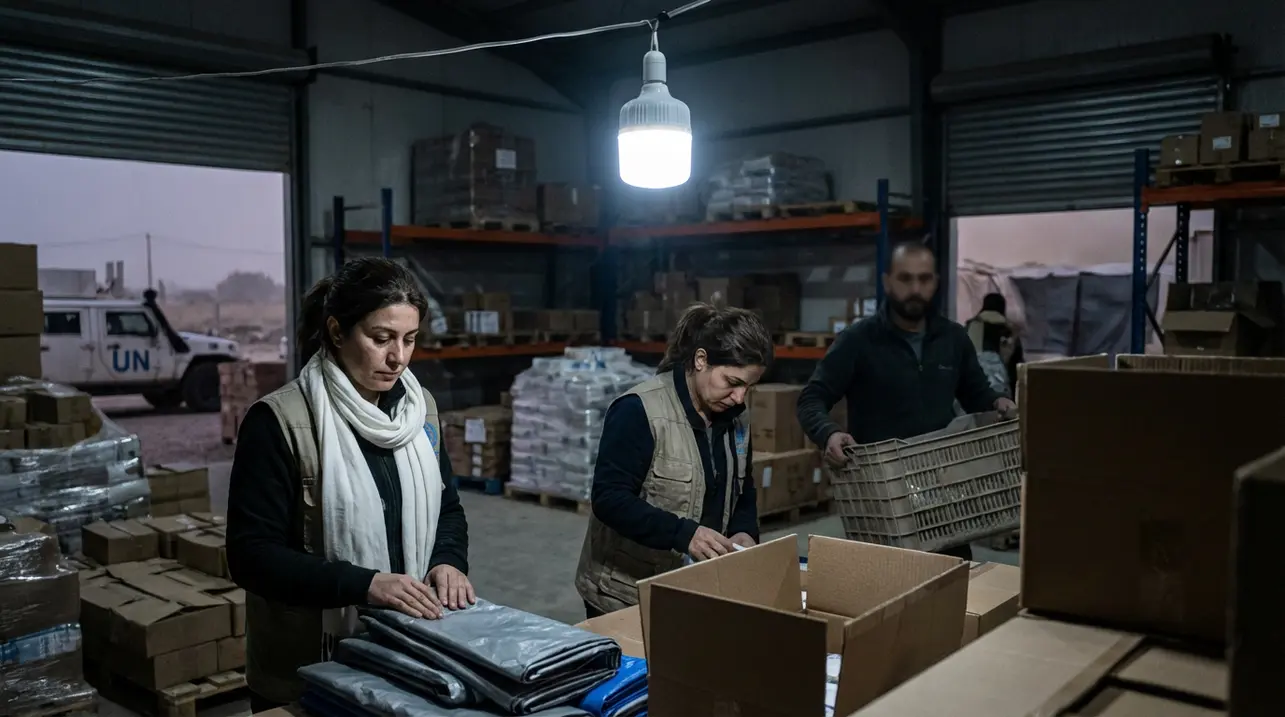
The United Nations, that grand and often beleaguered experiment in global cooperation, is tightening its belt in a way that feels less like prudent budgeting and more like a desperate gasp for air. This year’s decision to slash thousands of jobs, with the International Organization for Migration and the UN refugee agency taking significant hits, isn't just another bureaucratic adjustment.It’s a stark, painful symptom of a decade-long funding drought that has now reached a critical low, forcing Secretary-General António Guterres to launch a sweeping review of UN operations. To understand the human cost behind this headline, you have to look past the dry appeals and into the eyes of the field workers—predominantly women, I might add—who are now packing their desks, their expertise and institutional memory walking out the door alongside them.This isn't merely an administrative reshuffle; it's an amputation. The core mandate of the UN, to protect the most vulnerable in times of war, famine, and climate displacement, is being hollowed out from the inside because the collective checkbook of member states has snapped shut.The backdrop here is a global landscape fraying at the seams: conflicts in Gaza, Sudan, and Ukraine are creating humanitarian catastrophes of historic scale, while climate-driven disasters are displacing millions. Yet, as needs skyrocket, donor fatigue and geopolitical gamesmanship have led major contributors to withhold or redirect funds, treating humanitarian budgets as political leverage.The 2026 aid appeal reduction is a direct, grim capitulation to this reality—a signal that the world’s premier humanitarian safety net can no longer pretend it will catch everyone. Guterres’s operational review is likely a prelude to even harder choices, potentially consolidating agencies and narrowing focus to only the most acute crises, leaving long-term development and peacebuilding efforts to wither.This shift from prevention to mere reaction is a dangerous precedent. It echoes the failures of the 1990s, when underfunded and politically constrained UN missions failed to prevent genocide in Rwanda and Srebrenica.We are watching the same script play out, but on a planetary scale. The voices often missing from this analysis are those of the local partners and community leaders in places like the Democratic Republic of the Congo or Bangladesh’s refugee camps, who rely on UN coordination and funding.Their projects—schools, clinics, women’s protection centers—are now hanging by a thread. This funding crisis is, at its heart, a crisis of political will and a failure of feminist foreign policy principles, which argue that investing in human security and grassroots resilience is the bedrock of lasting stability.
#UN
#aid funding
#budget cuts
#humanitarian crisis
#job losses
#Guterres
#featured