Politicsgovernments & cabinetsLeadership Transitions
Is the religious right on the rise in UK politics?
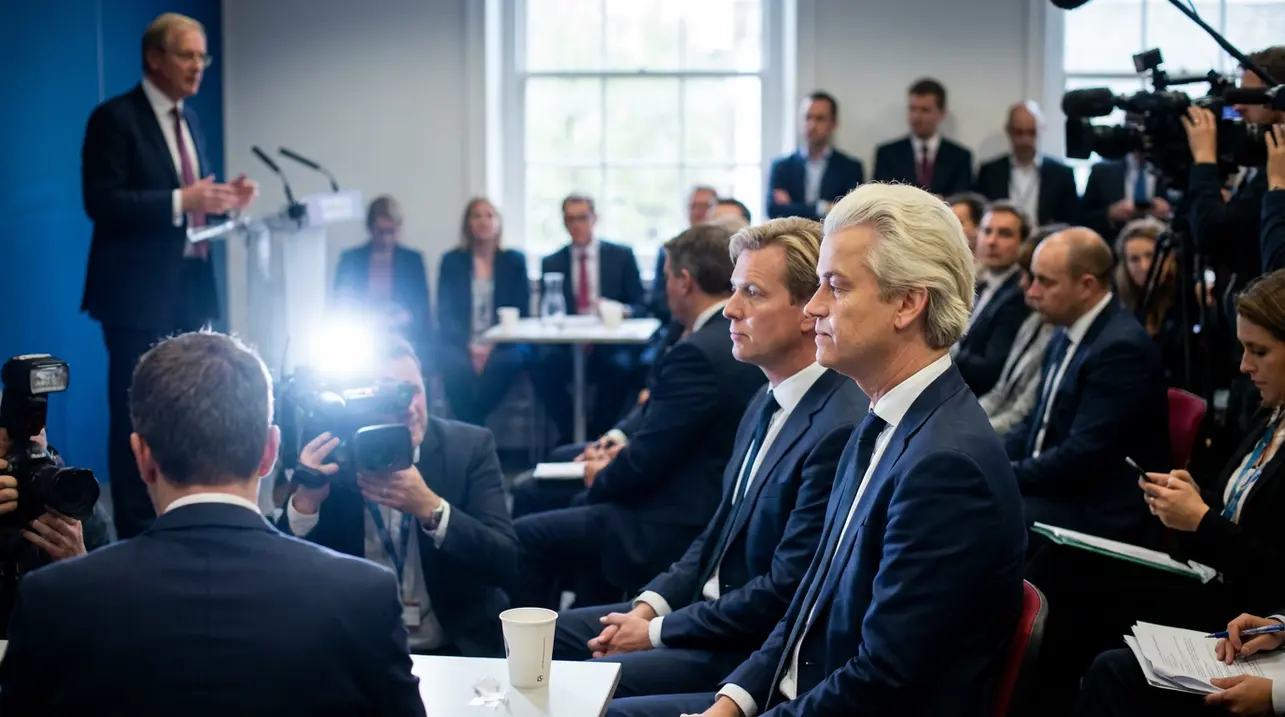
The emergence of a distinct, devout Christian bloc within Reform UK’s inner circle is a political development that cannot be ignored, a strategic maneuver with the potential to reshape the British political landscape in ways that echo, yet fundamentally differ from, the American playbook. At the heart of this shift are two figures now firmly in Nigel Farage’s orbit: Danny Kruger, the party’s head of policy with his signature near-white hair, and James Orr, the senior adviser with a swept-back blond mane.Both men are not merely policy wonks; they are highly devout Christians who found religion in adulthood, and they carry with them trenchant, uncompromising views on social issues like abortion and the traditional family unit. Their positioning in the front row at press conferences is symbolic; they are no longer on the fringes but are central architects of a policy programme that could very well guide the UK’s next government.This isn't a quiet, background faith; it’s a public, political faith, and it marks a deliberate attempt to inject a specific moral and social conservatism into the heart of British populist politics. To understand the potential impact, one must look at the campaign strategy.Unlike the US, where the evangelical right is a massive, decades-old electoral machine that fuelled the rise of Donald Trump, the UK has historically lacked a cohesive, politically potent religious voting bloc of comparable scale. The Church of England’s established status often rendered it a more diffuse, less overtly partisan force.What Kruger and Orr represent, therefore, is not the mobilisation of an existing army, but the creation of a new vanguard. They are building a doctrinal core for Reform UK, aiming to attract voters who feel culturally adrift and who respond to a message that blends economic nationalism with a defence of so-called traditional values.This is a calculated gamble. On one hand, it could solidify the party’s appeal in certain Leave-voting, socially conservative constituencies, providing a clear ideological differentiator from a Conservative Party perceived as having lost its way.On the other, it risks alienating the broader, more secular electorate that Reform needs to win over to achieve a true parliamentary breakthrough. The media war here is crucial.Watch how their presence frames the debate; every question on family policy or bioethics will now be filtered through their worldview, pulling the Overton window on social issues further to the right. Historical precedent in the UK is sparse, but the influence of figures like Mary Whitehouse in the 1970s or the brief flowering of the Christian Party in the 2000s shows fleeting moments of organised religious political action, though none with the potential access to power that Kruger and Orr now possess.
#religious right
#UK politics
#Reform UK
#Nigel Farage
#Christianity
#elections
#social issues
#featured