Politicsgovernments & cabinetsGovernment Formations
Labour announces plans to lift 550,000 children out of poverty – UK politics live
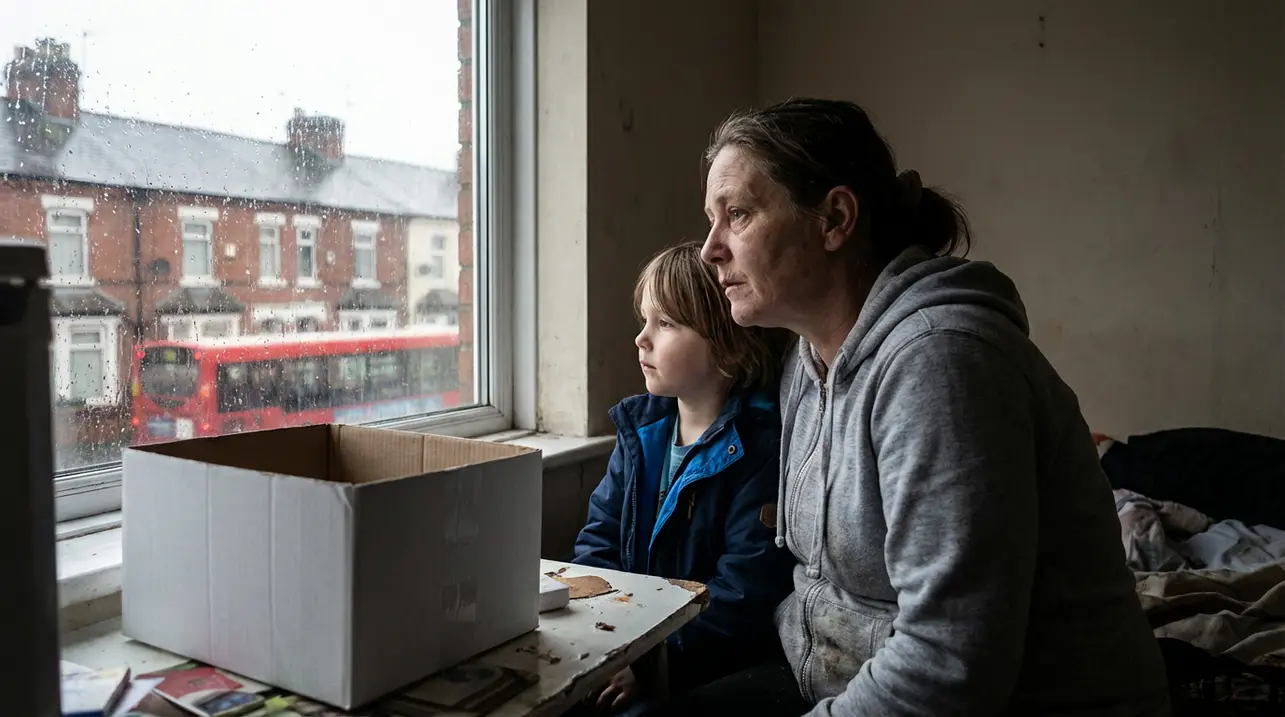
Keir Starmer’s government has unveiled its long-awaited child poverty strategy, framing the effort as a ‘moral mission’ to lift 550,000 children out of hardship. The plan, arriving sixteen months into Labour’s tenure, consolidates previously announced measures on childcare and temporary housing into a more formalised framework, a move that has drawn immediate and mixed reactions from advocacy groups and political opponents alike.For many observers, the strategy represents a critical test of the Prime Minister’s commitment to social justice, yet its incremental nature—focusing on easing immediate pressures rather than enacting sweeping structural reform—has left some questioning its ultimate ambition. The document lands against a stark backdrop: approximately 4.5 million children in the UK currently live below the poverty line, a figure that has swollen over successive Conservative administrations despite intermittent policy interventions. This isn't merely a statistic; it's a generation shaped by food insecurity, unstable housing, and the psychological toll of scarcity, issues that disproportionately affect single-parent households and families from minority ethnic backgrounds.Starmer’s approach, while welcomed as a necessary first step, deliberately avoids the more radical redistributive policies some within his party have championed, such as significantly raising universal credit or imposing wealth taxes, opting instead for targeted support designed to be politically palatable and fiscally cautious. The emphasis on helping families exit temporary accommodation speaks directly to the housing crisis, a slow-burning emergency that traps children in unsuitable living conditions detrimental to their health and education, while the childcare components aim to remove a primary barrier to parental employment.However, critics argue that without concurrent investment in well-paid, secure jobs and a fundamental overhaul of the benefits system, these measures may only provide fleeting relief. The shadow of history looms large here; one recalls the bold, if imperfect, ambitions of the Blair-era pledge to eradicate child poverty, which initially made significant strides before being eroded by austerity.Starmer’s strategy appears to be a conscious effort to rebuild that legacy from a more fractured foundation, but its success will hinge on sustained funding, cross-departmental coordination, and an unwavering political will that must survive economic headwinds and competing priorities. The human perspective is paramount: for the mother choosing between heating and a school uniform, or the child whose potential is stifled by postcode and circumstance, this strategy is more than a PDF—it’s a promise of dignity.Its implementation will be scrutinised not just by Westminster analysts, but by food bank volunteers, headteachers, and health visitors who witness the daily reality the policy seeks to alter. The government has framed this as the start of a journey; for millions of families, the destination cannot come soon enough.
#child poverty
#UK politics
#Keir Starmer
#Labour government
#social policy
#welfare
#featured