Politicsconflict & defenseMilitary Operations
UK ‘not entirely clear’ what it means for US to ‘run’ Venezuela
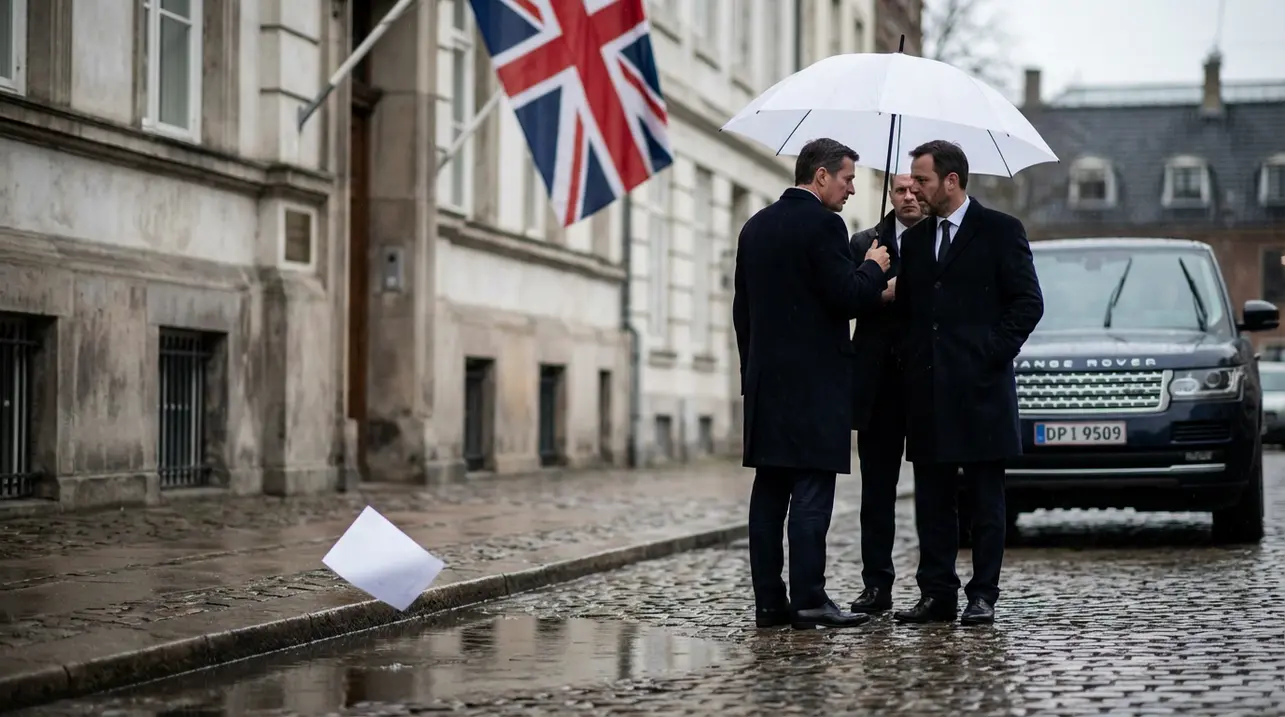
The British government’s statement that it is “not entirely clear” what it means for the United States to be in charge of Venezuela is a masterclass in diplomatic understatement, revealing a profound and dangerous ambiguity at the heart of a startling geopolitical rupture. Darren Jones, the chief secretary to the prime minister, framed the UK’s position as one of cautious deliberation, stating they would wait to determine whether the US attack on Caracas and the capture of President Nicolás Maduro and his wife constituted a breach of international law.This posture, however, belies the seismic nature of the event. The unilateral military action by a superpower to depose the leader of a sovereign nation, irrespective of the long-standing criticisms of Maduro’s authoritarian regime, represents a direct challenge to the post-1945 international order predicated on the UN Charter and the principle of non-intervention.Historically, such actions have been cloaked in multilateral mandates or justified by imminent threats; the apparent lack of either in this instance draws immediate parallels to the most controversial chapters of 20th-century foreign policy, where might was conflated with right. The UK’s hesitation is not merely legalistic but strategic, caught between its ‘special relationship’ with Washington and its obligations to a rules-based global system it has long championed.Expert commentary from international law scholars suggests the action is a clear violation of Article 2(4) of the UN Charter, barring the threat or use of force against territorial integrity, with only the faintest potential for a self-defense justification that would be widely contested. The consequences are manifold and dire: a likely protracted guerrilla conflict within Venezuela as chavista loyalists mobilize, a severe destabilization of Latin America prompting refugee crises and regional alignment pressures, and a chilling signal to adversaries and allies alike that American foreign policy under this administration operates outside established norms.Analytically, this move risks catalyzing a new era of overt neo-imperialism, where great powers carve out spheres of influence through direct military imposition, rolling back decades of diplomatic precedent. The call for a “peaceful transition of power” now rings hollow when the initiating act was a violent coup de main, leaving the UK and other Western nations in the unenviable position of legitimizing a fait accompli or isolating a key ally.The broader context includes years of failed sanctions and recognition of Juan Guaidó as interim president, strategies that ultimately culminated in this drastic escalation. As history judges, this weekend may be remembered not for the fall of a controversial leader, but for the day the foundational pillars of modern international law were decisively shaken.
#lead focus news
#Venezuela
#US military intervention
#UK response
#international law
#Nicolás Maduro
#diplomatic reaction