

- News
- Politics
- Trump Administration Pushes Supreme Court to Allow Transgender Military Ban to Take Effect
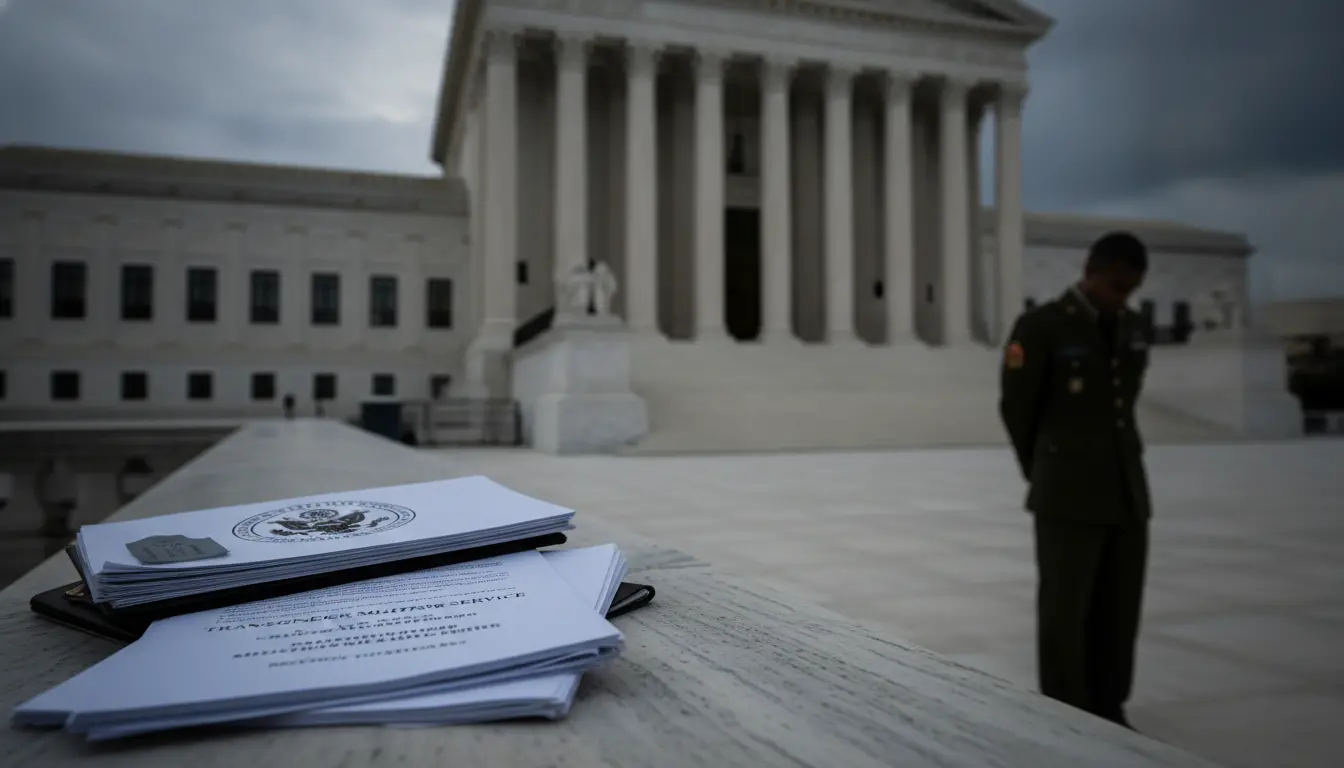
Trump Administration Pushes Supreme Court to Allow Transgender Military Ban to Take Effect
The Trump administration has escalated its legal challenge to bar transgender individuals from serving in the U.S. military, formally requesting the Supreme Court to allow the controversial policy to take full effect. This decisive move intensifies a highly contentious legal and social debate, setting the stage for the nation's highest court to potentially decide the future of transgender service members and broader LGBTQ+ rights within the armed forces.
The legal battle traces its origins to 2016, when the Obama administration lifted a longstanding ban, enabling openly transgender individuals to serve and receive medical care related to gender transition. This policy shift was widely celebrated as a crucial step towards greater inclusivity and was defended as a measure to enhance military readiness by expanding the pool of qualified personnel. However, in July 2017, then-President Donald Trump announced his intention to reverse this policy via a series of tweets, citing concerns over "tremendous medical costs and disruption." Following this initial declaration, the Department of Defense developed and formally implemented a revised policy in early 2019, which generally prohibits individuals with gender dysphoria from serving, with limited exceptions, and bars those who have undergone gender transition.
This revised policy immediately faced a barrage of legal challenges from civil rights organizations and transgender service members. Federal courts across the country responded by issuing preliminary injunctions, effectively preventing the ban from being fully enforced while the extensive litigation proceeded. These injunctions largely maintained the status quo, allowing transgender individuals to continue serving openly and enlist. The administration has consistently argued that the policy does not constitute a blanket ban but rather a set of carefully considered medical standards deemed necessary for maintaining military readiness and unit cohesion—a position that plaintiffs and their legal teams have vigorously contested as discriminatory and unsupported by evidence.
Central to the administration's argument before the Supreme Court is the principle of deference to military judgment, contending that national security and defense matters fall primarily within the executive and legislative branches' purview, warranting judicial restraint. Opponents, including organizations like the American Civil Liberties Union (ACLU) and Lambda Legal, counter that the ban is inherently discriminatory, unconstitutional, and ultimately harms military readiness by forcing out experienced service members and deterring qualified recruits. They frequently cite studies indicating that allowing transgender service does not significantly impact costs or unit cohesion, arguing instead that the ban is rooted in prejudice rather than legitimate military necessity.
The stakes in this case are profoundly high, not only for the thousands of transgender individuals currently serving or wishing to serve but also for the broader interpretation of equal protection rights for LGBTQ+ individuals across all sectors. By asking the Supreme Court to intervene, the Trump administration seeks to bypass further appeals court proceedings and secure a definitive ruling that would validate its policy. The Court has several options: it could choose to hear the case immediately, consolidate it with other related cases, or decline to hear it, which would effectively leave the lower court injunctions in place.
A decision by the Supreme Court to uphold the ban would represent a significant setback for LGBTQ+ rights, potentially impacting other areas of anti-discrimination law and setting a troubling precedent. Conversely, a refusal to hear the case or a ruling against the ban would reaffirm the rights of transgender individuals to serve their country without discrimination. Regardless of the immediate outcome, the case represents a pivotal moment in the ongoing legal and social evolution of LGBTQ+ equality in America, with its reverberations likely to be felt for years to come.
Moreover, the policy's potential full implementation has been contentious within military ranks as well, with many commanders reportedly expressing support for their transgender troops and questioning the rationale behind the ban. Advocates for transgender service members emphasize the importance of retaining highly skilled personnel and ensuring that the military reflects the diversity of the nation it serves. They highlight the morale implications and the loss of talent that a reinstated ban would entail, arguing that a truly ready force embraces all qualified individuals, irrespective of gender identity. This complex interplay of legal principles, military effectiveness, and individual rights underscores the gravity of the decision now awaiting consideration by the Supreme Court.
Stay Informed. Act Smarter.
Get weekly highlights, major headlines, and expert insights — then put your knowledge to work in our live prediction markets.
Related News
U.S. Supreme Court Deliberates Sweeping Presidential Immunity Claims Amidst Landmark Case
Todd Blanche Attorney General Nomination Faces Intense Senate Scrutiny Over Financial Dealings and Trump Ties
Supreme Court Rejection Solidifies Trump's $5 Million Civil Judgment to E. Jean Carroll
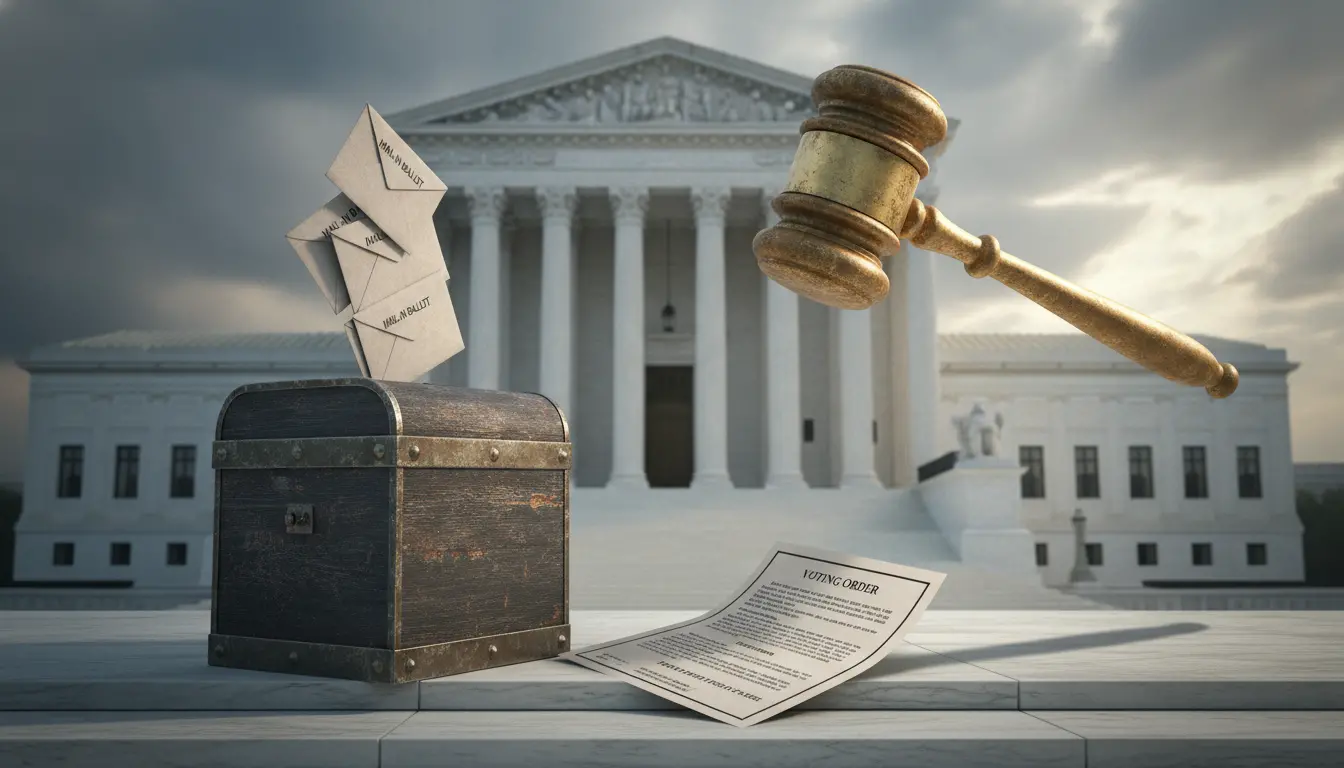
Supreme Court Considers Trump-Era Mail-In Voting Order Amidst Looming Election Cycle

US Supreme Court Poised to Review Political Parties' Access to Discounted TV Ad Rates

Federal Appeals Court Weighs Challenge to Trump Administration's Use of Alien Enemies Act
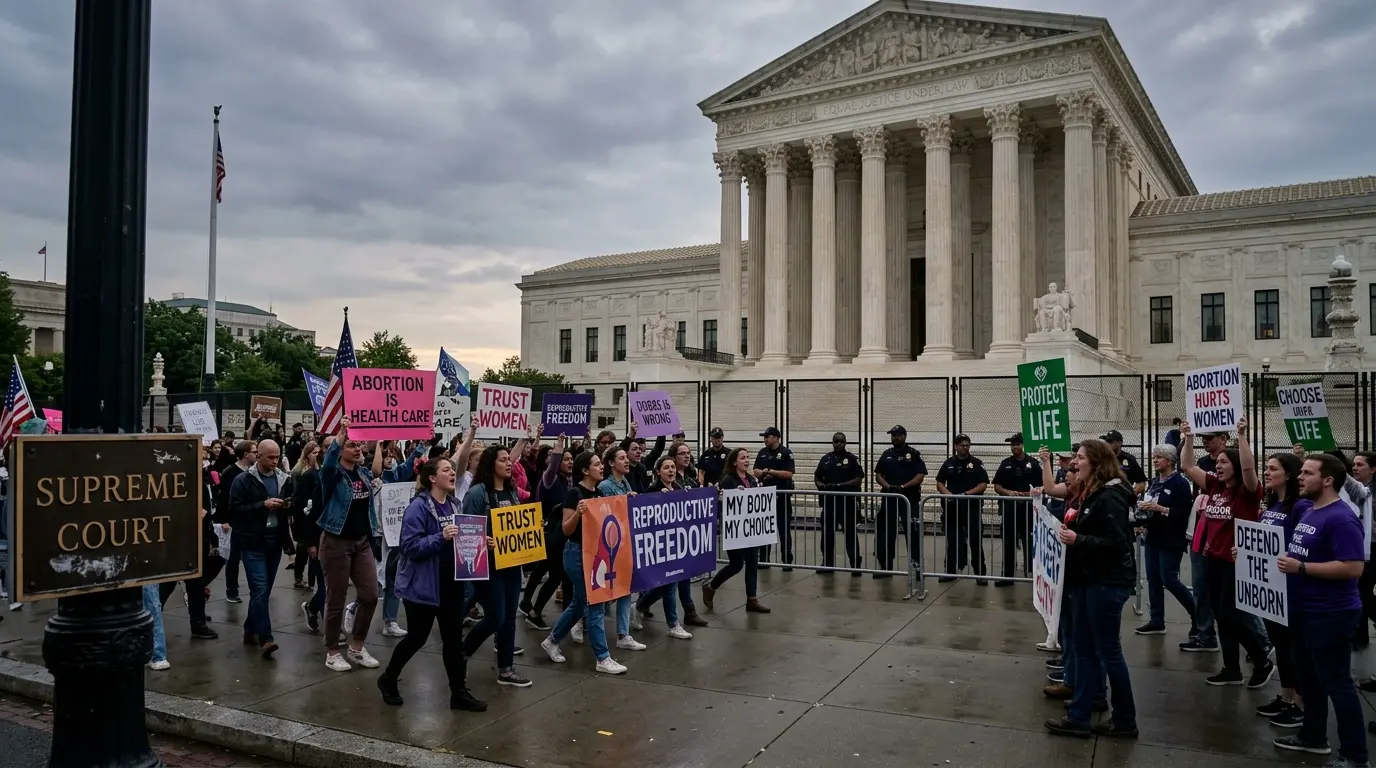
U.S. Supreme Court Poised to Revisit State Abortion Restrictions Amidst Mounting Legal Challenges

Outpoll Weekly Recap: Politics (August 24 – 30, 2026)
Supreme Court Deliberates Presidential Authority to Remove Federal Reserve Governors
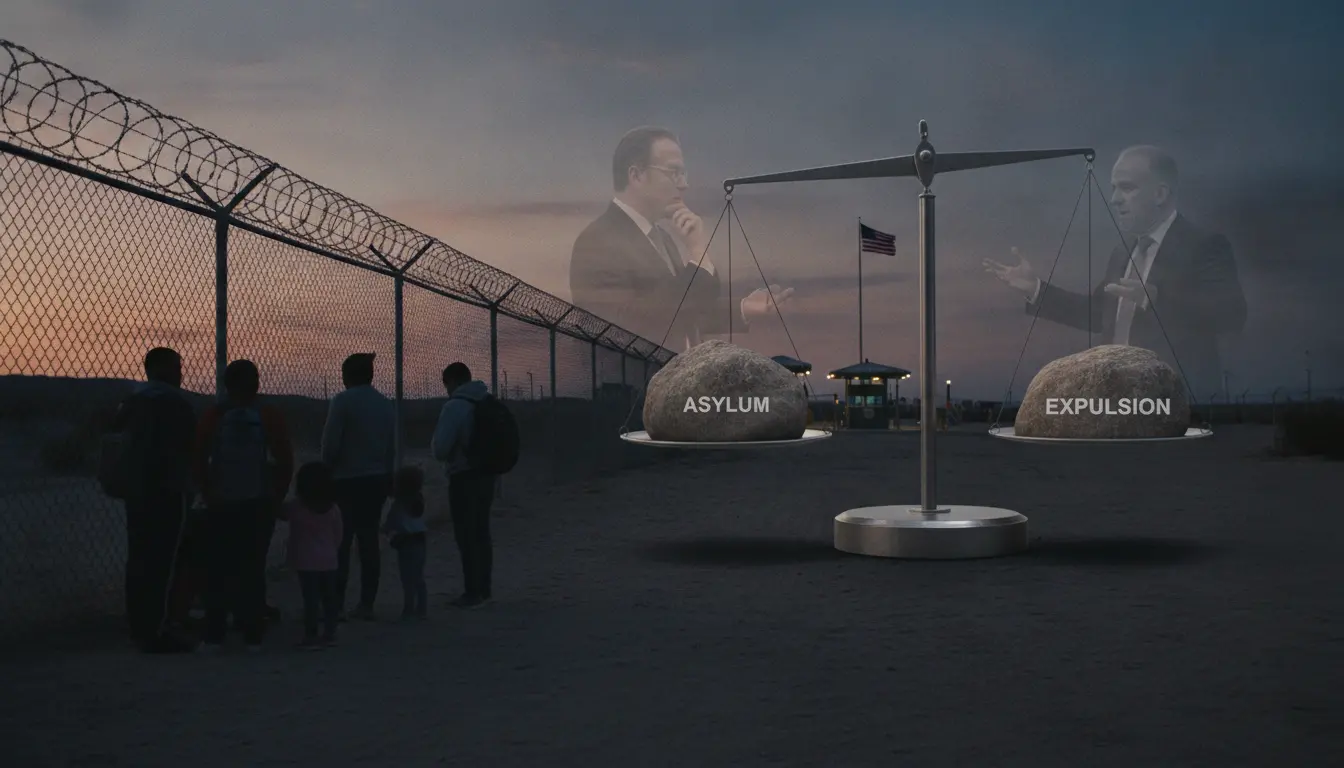
United States Weighs Permanent Policy for Immediate Asylum Expulsion at Southern Border