Politicsconflict & defenseWar Reports and Casualties
Syria's Leader Gains Western Favor but Faces Domestic Weaknesses
RO5 hours ago7 min read2 comments
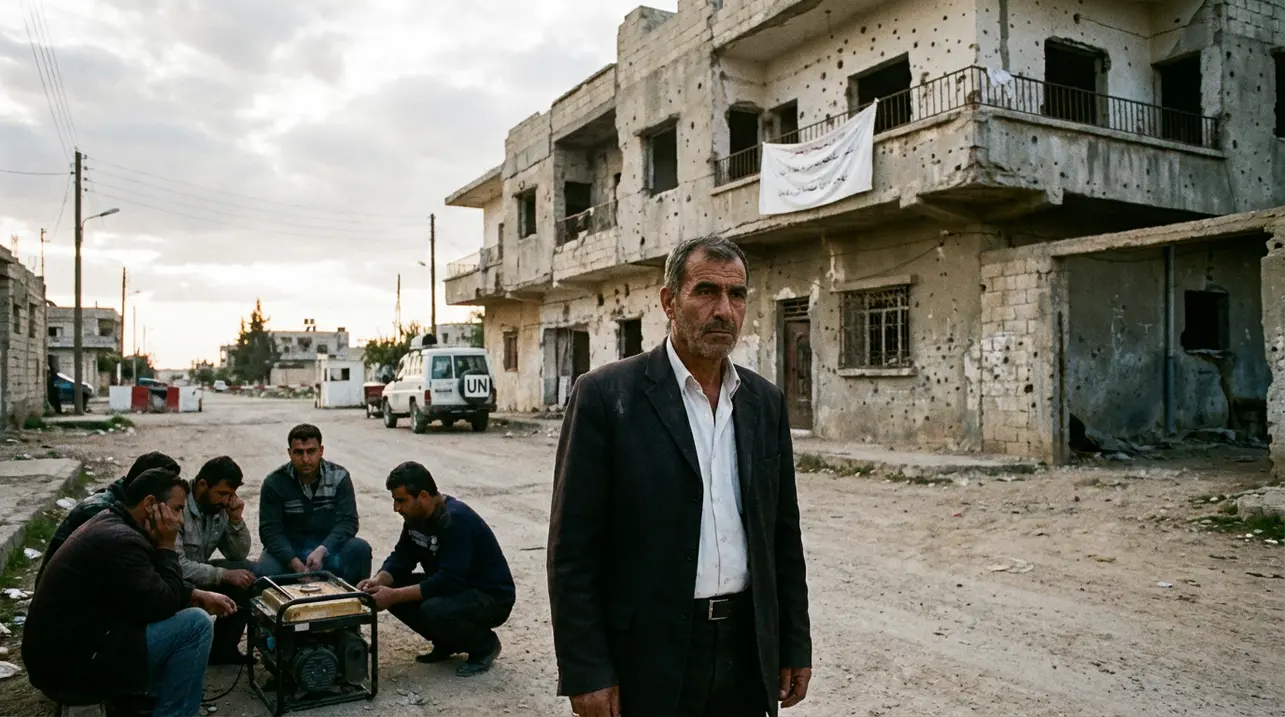
One year into his tenure, Syria's leader has orchestrated a remarkable diplomatic pivot, securing a cautious but tangible rehabilitation within Western corridors of power, most notably with the Trump administration, yet this external validation starkly contrasts with the entrenched domestic realities that continue to undermine his authority. To understand this dichotomy, one must look beyond the headlines of eased sanctions and tentative diplomatic re-engagements to the historical precedent of pariah states seeking redemption; much like a nation emerging from a long diplomatic winter, the current leadership has leveraged regional instability and the West’s shifting priorities—particularly the desire to counter Iranian influence and manage refugee flows—to reframe itself from an irredeemable antagonist to a necessary, if uncomfortable, partner in stability.This strategic recalibration, however, is a classic case of foreign policy success built upon a foundation of domestic sand, where the populace, weary from years of conflict, economic collapse, and institutional decay, perceives the leader’s weaknesses with a painful intimacy that foreign observers often miss. The economy remains a shambles, propped up by illicit trade and the patronage of allies, while the security apparatus, though dominant, is stretched thin across a patchwork of controlled territory, leaving governance fragmented and public services a memory for many.Expert commentary from regional analysts suggests this creates a perilous equilibrium: the external legitimacy gained abroad does little to address the grassroots grievances over corruption, the lack of reconstruction in ravaged cities, or the festering resentment among a displaced generation, setting the stage for a protracted, simmering instability rather than a return to centralized control. The consequences are multifaceted; for the West, this embrace entails moral compromise and the risk of empowering a regime that has not fundamentally reformed, while for the leader himself, the gamble is that external support can outpace internal decay—a bet that history, from the Shah’s Iran to Gaddafi’s later years, suggests is fraught with peril. Ultimately, the narrative is one of a leader playing a sophisticated, high-stakes game on the international chessboard, yet failing to secure his own home base, a weakness his people know all too well and which may yet define his legacy far more than any diplomatic overture from Washington or European capitals.
#Syria
#Bashar al-Assad
#conflict
#governance
#geopolitics
#Western relations
#featured