PoliticselectionsElection Campaigns
New York's New Electoral Map Analysis After Voter Approval
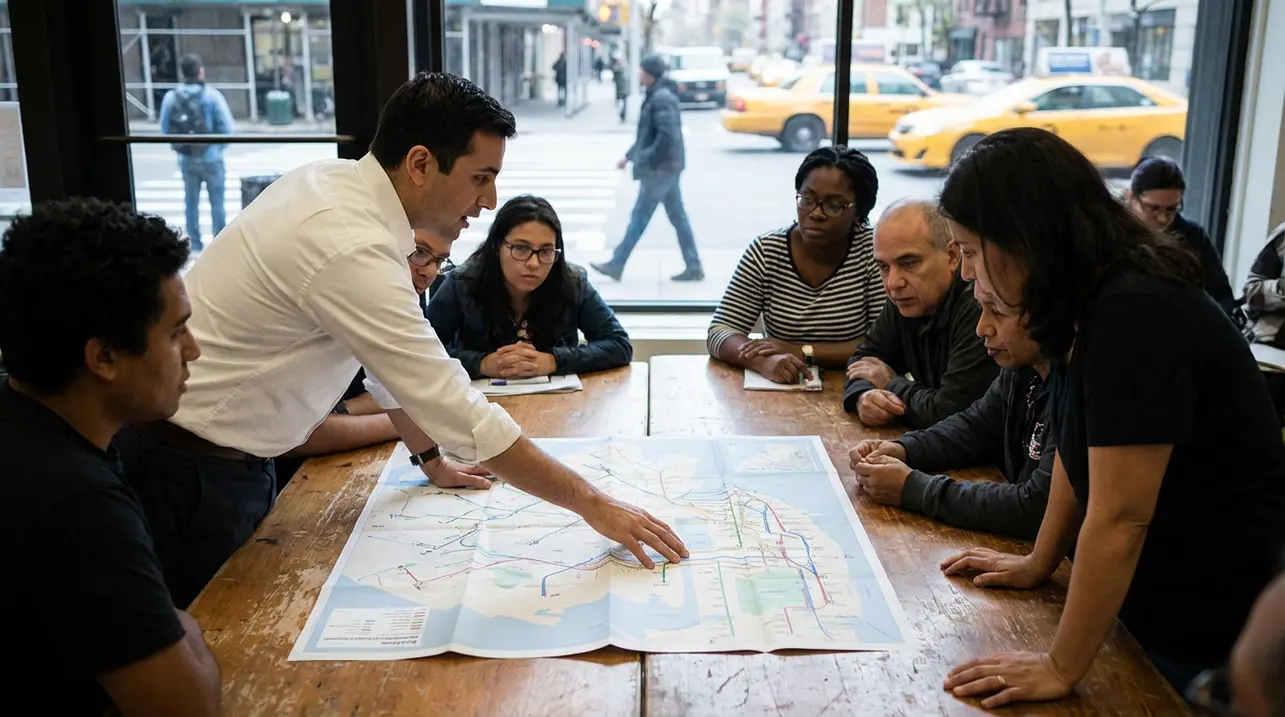
New York’s political landscape just got a major shakeup, and the campaign to win it starts now. Voters have approved the new electoral map, a document that will dictate the battlegrounds for the next decade, even if many who checked 'yes' on the ballot couldn’t have drawn you a district line to save their lives.That’s the thing about maps—they’re not just lines on paper; they’re the ultimate strategic blueprint, the playbook for power, and this one is a game-changer. Think of it like a political Super Bowl play drawn up after the last census: every contour, every oddly shaped district snaking through suburbs or slicing through a city block, is a calculated move to secure advantage.The approval itself was a masterclass in messaging, a victory for the commission that managed to frame technical, often dry redistricting as a matter of fairness and continuity, cutting through the noise that usually surrounds such a wonky process. But let’s be clear, the real fight was always about what happens after the ink dries.This map redraws the political battlefield across the state, potentially shoring up vulnerable incumbents in swing districts while putting others on immediate notice. We’re already seeing war rooms activate, with party strategists running the new lines through voter databases, calculating turnout models, and identifying the handful of precincts that will decide control.It’s a high-stakes numbers game where a shift of a few thousand voters from one district to another can tip the balance of the state legislature and, by extension, influence everything from housing policy to climate mandates. Historically, New York’s redistricting has been a bloody, partisan affair, often decided in courtrooms after legislators deadlocked.This latest round, culminating in voter approval, represents a different tactical approach—an attempt to depoliticize the process that is, inherently, the most political act of all. The consequences are immediate and profound.For candidates, it means recalculating their base, reassessing their opponents, and perhaps even deciding whether to run at all. For voters, it means the representative who shows up at your door next election cycle might be campaigning on an entirely new set of issues relevant to a newly configured constituency.Look at the national context: with control of Congress perpetually on a knife’s edge, a handful of redrawn New York districts could become the frontline in the battle for the House of Representatives. The approval of this map isn’t the end of a story; it’s the opening salvo.The next phase is the media war—the ads, the debates, the polling—all framed within these new boundaries. It’s a reminder that in politics, as in any campaign, the terrain defines the conflict.
#editorial picks news
#New York
#redistricting
#electoral map
#voters
#political representation
#voting districts