Politicsgovernments & cabinetsCabinet Reshuffles
J.D. Vance's Absence from Venezuela Operation Raises Questions
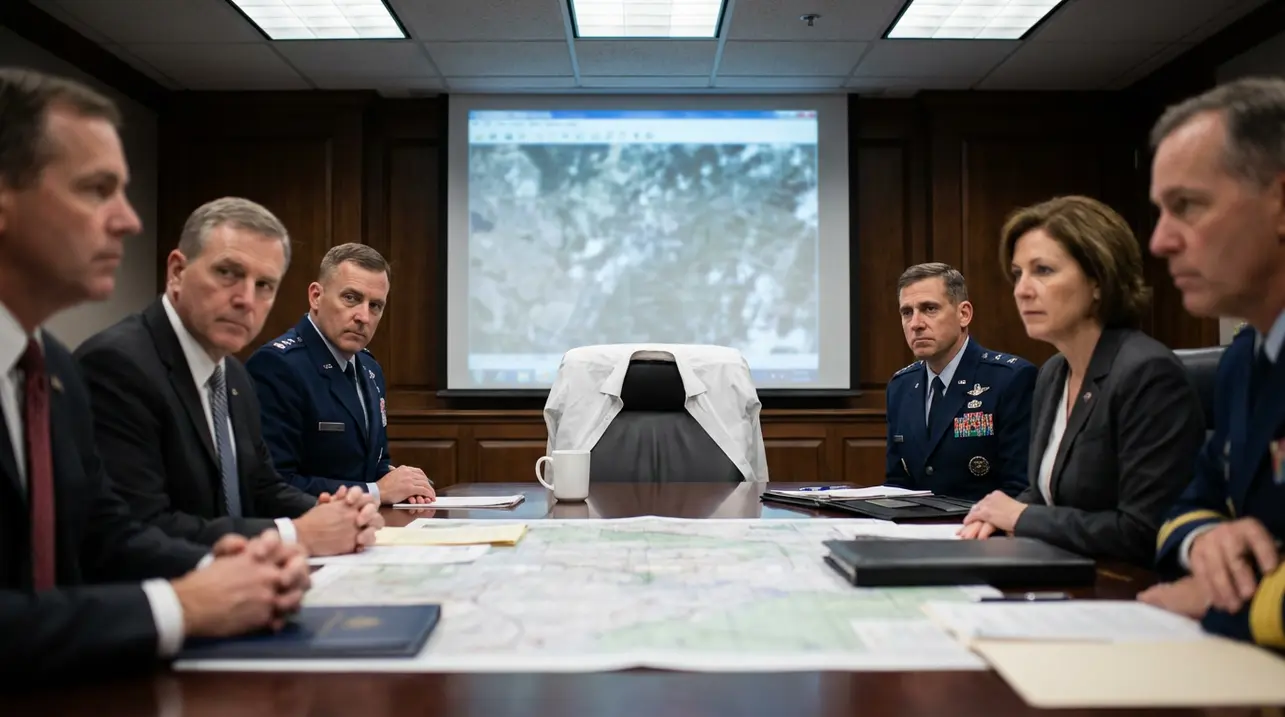
In the high-stakes theater of Washington politics, every move is a signal, and every absence is a statement. The decision to exclude Vice President J.D. Vance from the recent operational planning and execution concerning Venezuela wasn't just a procedural footnote; it was a political flare shot across the bow of the administration, illuminating a deep and potentially defining fissure.To understand this, you have to look at it like a campaign strategist dissecting a battleground state poll—every data point tells a story. On the surface, the operation itself, likely involving diplomatic pressure, intelligence coordination, or sanctions enforcement, represents the kind of muscular, forward-leaning foreign policy that has characterized U.S. posture in the hemisphere for decades.It's the playbook. Vance, however, has built his political brand on tearing up that playbook.His vocal, principled anti-interventionism, a philosophy that resonates with a significant segment of the Republican base weary of forever wars, places him fundamentally at odds with the more traditional, hawkish elements within his own party and the national security apparatus. So, was his sidelining a simple, clean expression of that ideological clash? A pragmatic acknowledgment that his views would hinder a unified front? In the war room of political optics, the clean answer is rarely the whole story.The calculation runs deeper. Isolating Vance on a high-profile international issue serves to neuter a powerful, populist voice within the administration, preventing him from building a public case against the operation and rallying his supporters.It's a containment strategy. Conversely, it also allows the Vice President to maintain his ideological purity for the future—he can tell his base he was kept out of the room, his hands are clean, and he fought the good fight from the outside.This isn't just about Venezuela; it's a proxy battle for the soul of the party's foreign policy. Historically, we've seen this movie before.Think of the tensions between a principled dissenter and the executive machinery; it rarely ends with the dissenter gaining influence. The consequences are multifaceted.Internationally, allies and adversaries alike are reading these tea leaves. Does a publicly divided administration project strength or vulnerability? For the U.S. 's position in Latin America, mixed signals can be exploited by actors like Caracas or Havana.
#J.D. Vance
#Venezuela
#US foreign policy
#non-interventionism
#Trump administration
#featured